Exploring Alaska's Kenai Peninsula
Birds and Wildlife Sampler Tour
“When I think back on that day, it’s not the birds that immediately hit my mind, but the rush of chilling winds as we rounded a corner to a glacier filling our horizon. The boat shut down, and we all fell silent as the moment overwhelmed our senses. A cracking sound pierced the air, and our boat erupted in squeals as a bus-sized block of ice calved into the sea.”
Jump to section
Adventures in the Making
I bet that you can relate to this: I’ve dreamed of going to Alaska for most of my life, but with a state so vast, it was hard to decide where to start. Like many places I now visit frequently – Colombia, India, the Caribbean – it’s the kind of destination that requires a mindset of not seeing it all at once, but immersing in where you land and accepting that future visits will be warranted to really feel like you’ve experienced the place as a whole.
Many birders go to Alaska for the birds that are rare in the rest of North America. Places like Nome, Utqiavik, Attu, and St. Paul are famous for the breeders on the fringes of their mostly Old World ranges, Aleutian and pelagic specialties, and ever-thrilling vagrancies. Most visits are when the sun never truly sets, the stays are short, and there’s an air of excitement and uncertainty. Weather rolls and updates ring through as habitats are combed by birders bound by common goals.
Those harsh and dynamic destinations are a rite of passage that I look forward to in the future, but apart from that, there’s Alaska itself. And if there’s ever a place I’ve wanted to explore holistically, this would be it. So, when asked to co-lead a Sampler Tour throughout the Kenai Peninsula, I was overjoyed for the chance.

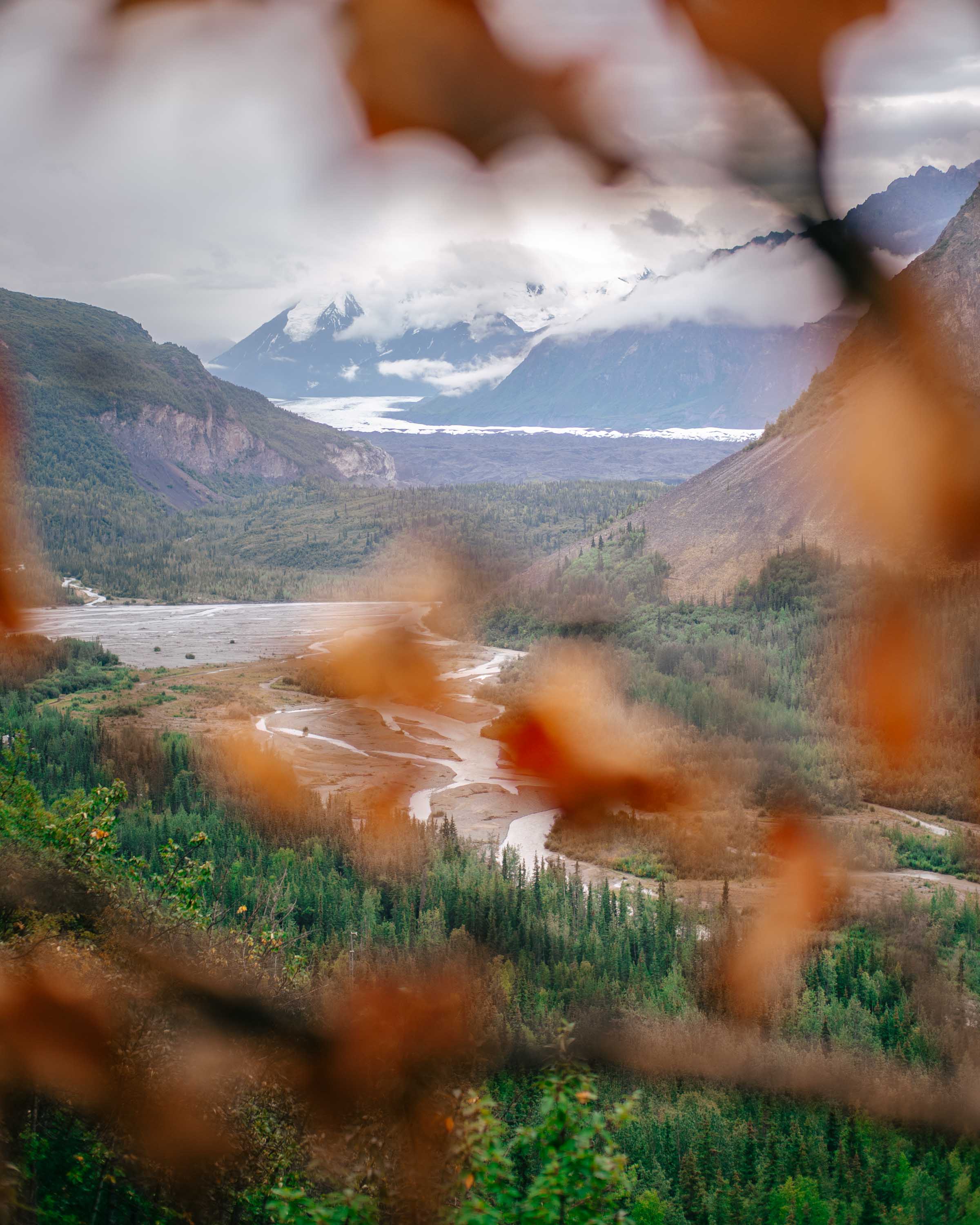
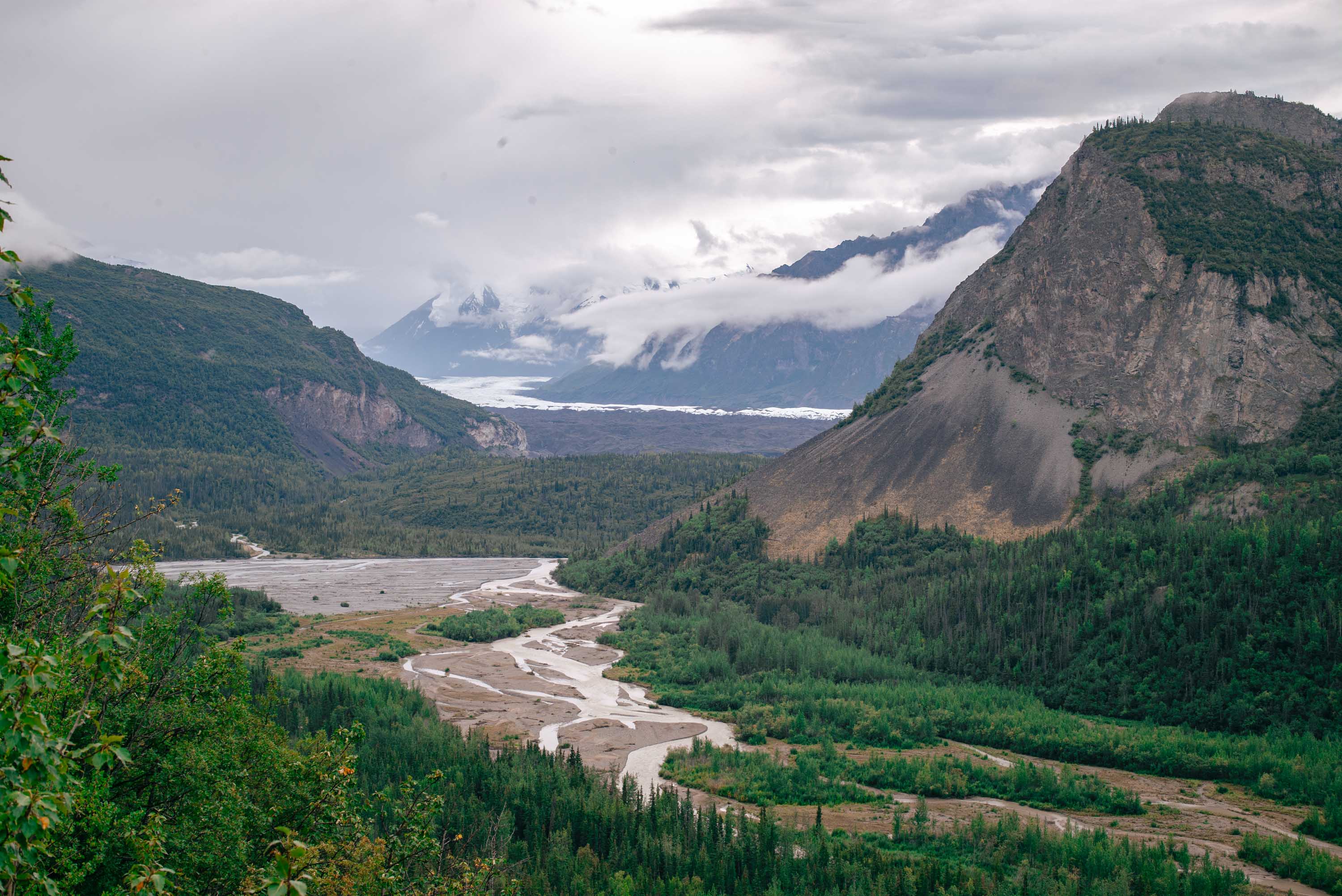
Common components of many Southcentral Alaskan scenes: mountains, fog, lush greenery, heavily sedimented riverbeds, and a glacier cascading in the background.
Based out of Anchorage, with no internal flights, the itinerary is thoughtfully designed to cover key parts of the area at an immersive pace. Studying for the tour was like stitching a quilt of places I’d learned snippets about over the years, giving me a new sense of meaning to locations like Seward, Homer, Resurrection Bay, Cook Inlet, and Kachemak Bay. I began to understand the vastness of wilderness at the continental birthplace of the Aleutian Islands — and how sparse human populations were, even in these parts of the state. It delighted me that even while covering a tiny portion of Alaska near its biggest city, we could find miles and miles of true wilderness (fully grasped in the views from a bush plane, but more on that later).
Our visit was late in the breeding season, with most birds dispersing from nests and some migration underway, but even so, there were new species for me to see. Aside from US and life birds, I was just as keen to encounter species in breeding plumage that I’ve otherwise only seen in winter closer to home. Constant chances for charismatic mammals and arguably unrivaled scenery made it all even better.
First Encounters: Anchorage Welcoming
The spunkiness of Anchorage charmed me from the start. Right after arriving, I had a long conversation with a fast friend: the manager of our bed-and-breakfast starting point, the Copper Whale. The night before the group arrived, as the golden hour light stretched late into the evening, I went birding around a central lagoon and the surrounding shoreline. While there, I met half a dozen local birders, a young kid who shared my binoculars with me, and a great dane that meandered with both of us. Together, we enjoyed the brisk coolness of rain edging toward us from the Chugach Mountains to our east. Westchester Lagoon was filled with families of Greater Scaup, Red-necked Grebes, and Gadwalls, with shorebirds, Arctic terns, and gulls shifting in and out with changing tides and weather.
The next day, our tour began at the same location, and how funny it was to be greeted by local birders I’d just met, like we’d been birding the same hotspots for years. It brought on a sense of familiarity that felt peculiar in such a new landscape. At one point, Greg noticed a magpie using a twig to extract insects from a stump. I’d never seen a wild bird use a tool like that. It became a game to find young grebes trailing clumsily behind their parents, and we picked through cryptic ducklings that were starting to venture on their own. Thus, the standard was set to take in big and small wonders alike.

This Black-billed Magpie used a stick to prod insects from a stump. Photo by Chris Unsworth — thanks for the photo, Chris!
After finding Sandhill Cranes, half a dozen shorebird species, and some coffee, our group started working down the Seward Highway. A few hours blitzed by with continuously jaw-dropping scenery and more birding along the way. I turned on a road trip playlist as we cruised along.
Group dynamics make such a difference in these tours, and one of my favorite things to watch unfold is the friendliness that builds as everyone relaxes into the tour routine. That wasn’t the case this time around. From our first gathering and introductions, there was a collective feeling of warmth and kinship. By that first long drive, the van was bustling with conversation. I think that both the company and the setting fostered that contagious excitement.


Sea and Ice: Cruising Kenai Fjords and Seward
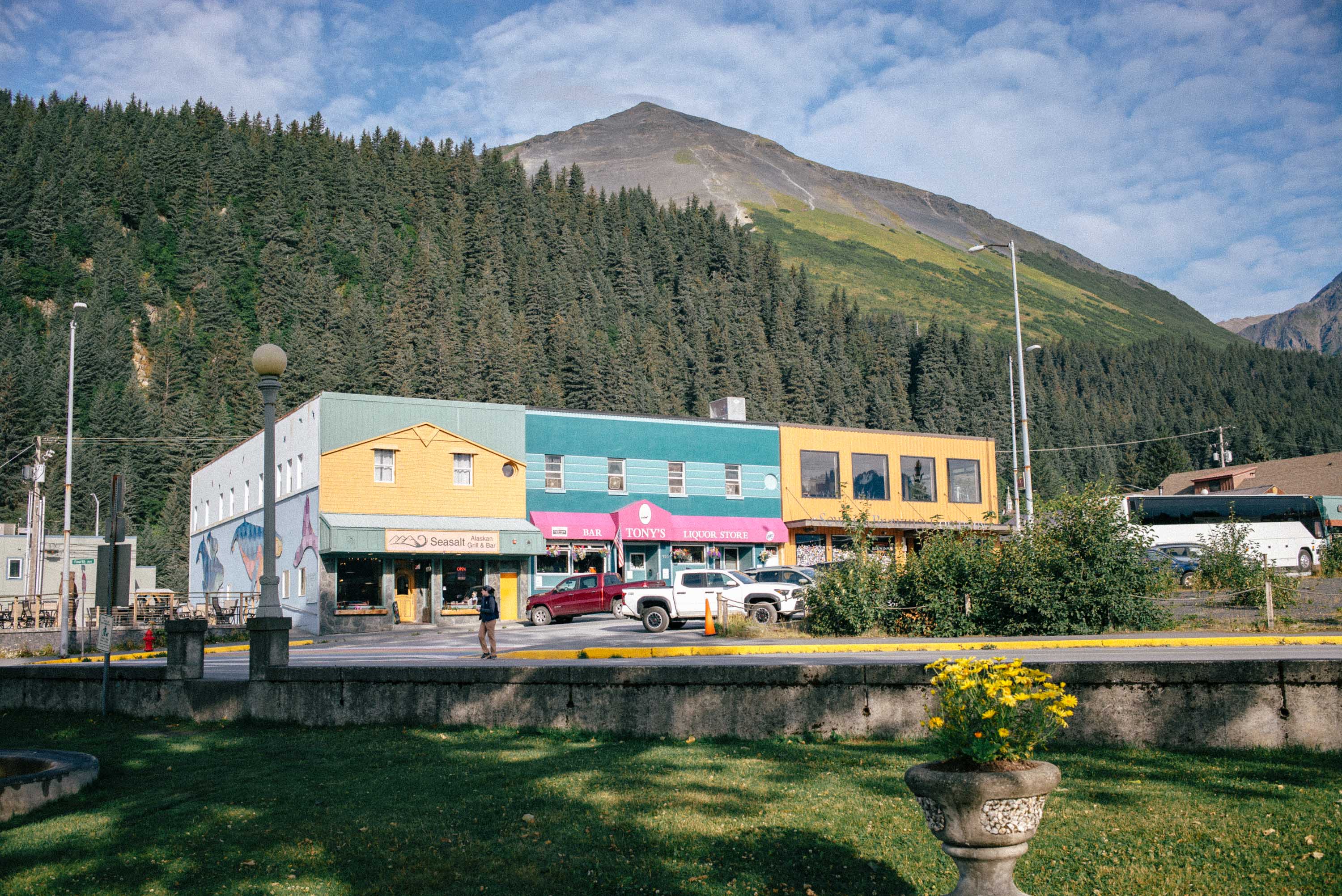
Once we settled into the vibrant town of Seward and sampled fresh catches for dinner, we prepared for one of the most exciting outings on our itinerary: a full-day glacier and wildlife cruise into the waters of Kenai Fjords National Park.
Before our morning started, I took a walk around the harbor. Crisp air matched the buzz of fishermen, charters, and scenic rides filling up and setting out for the day, and I zigzagged around carts of supplies and people. The boats were as colorful and varied as the town itself, all illuminated in the sunshine that continued to bless us. Shortly after, we took off.
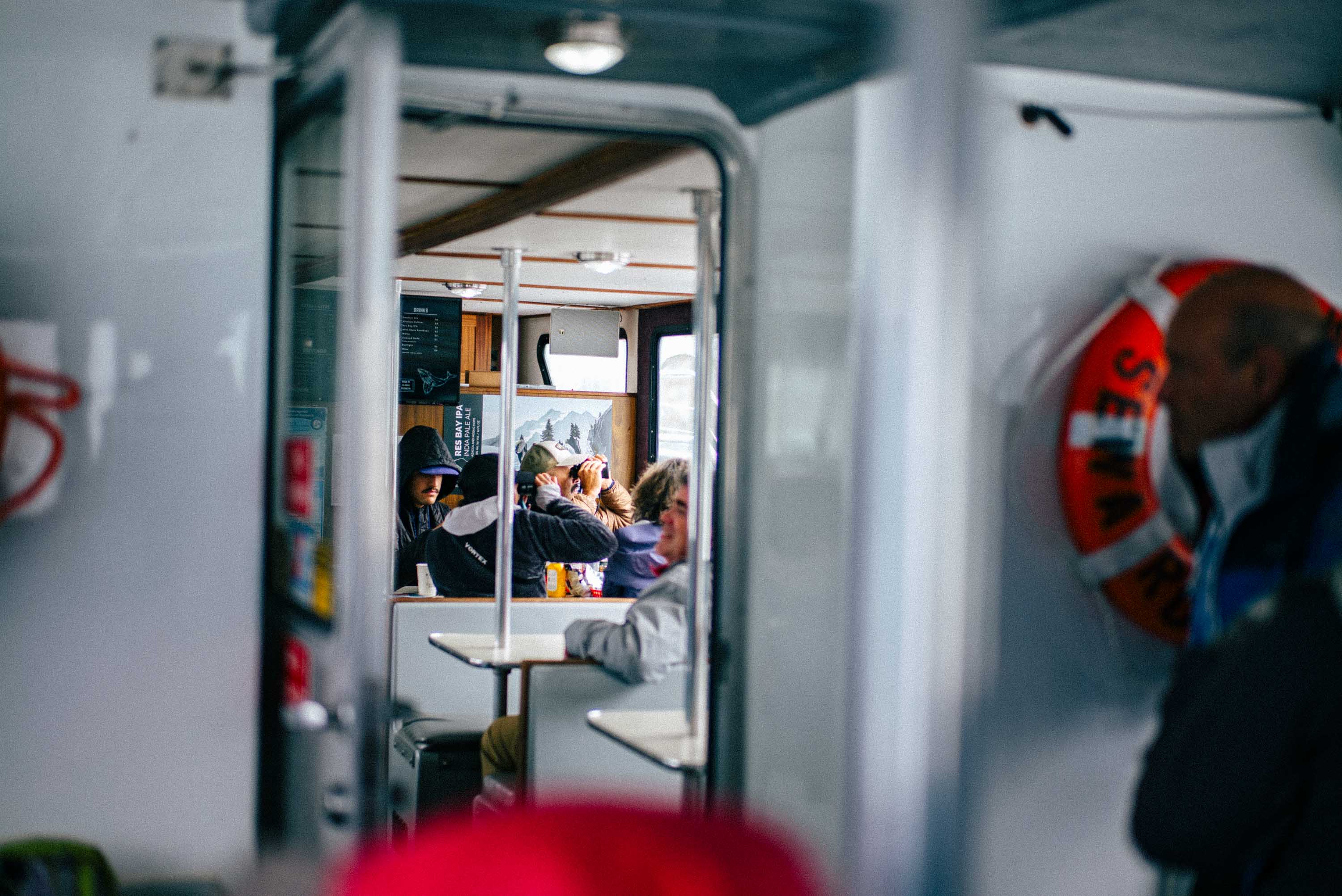
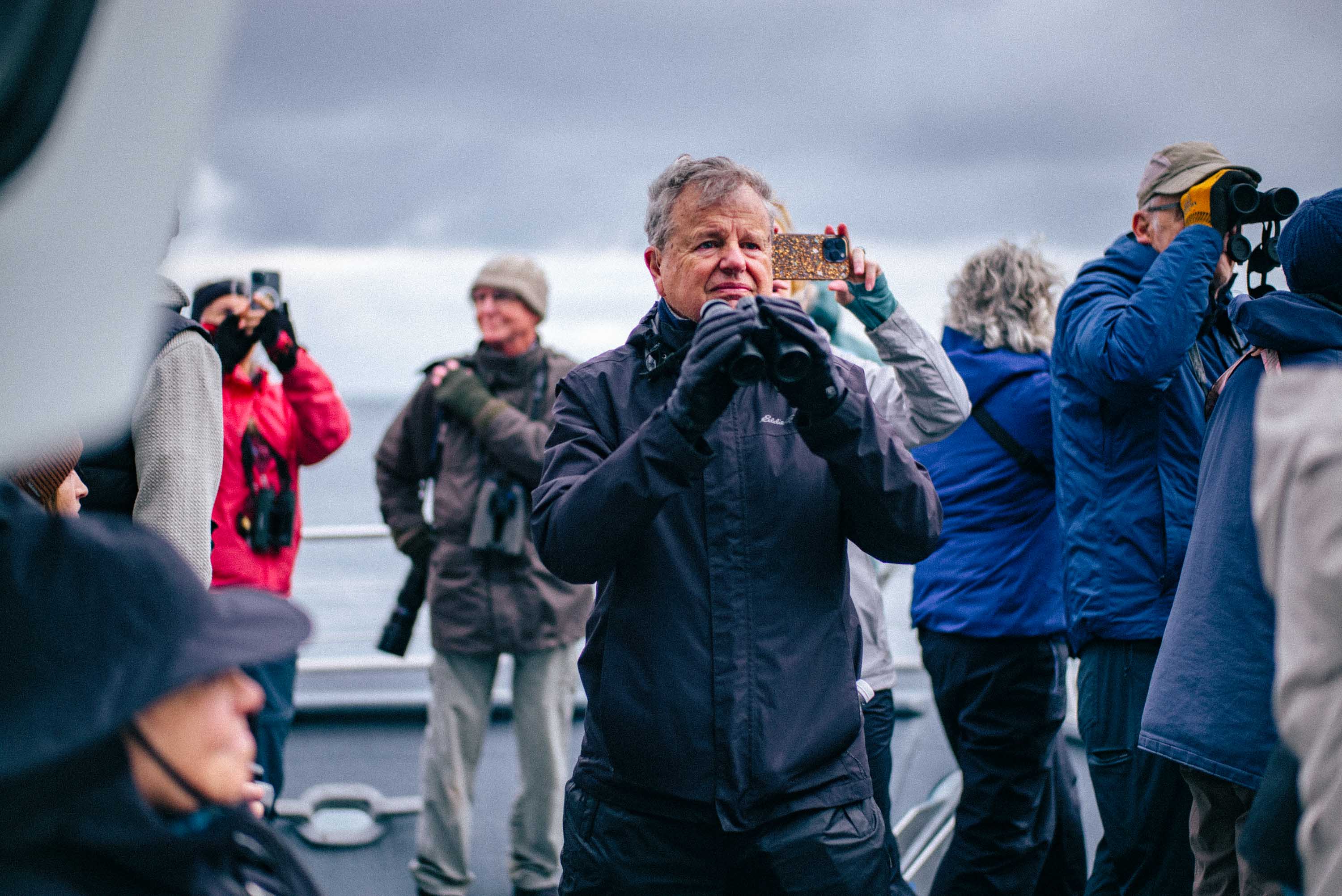
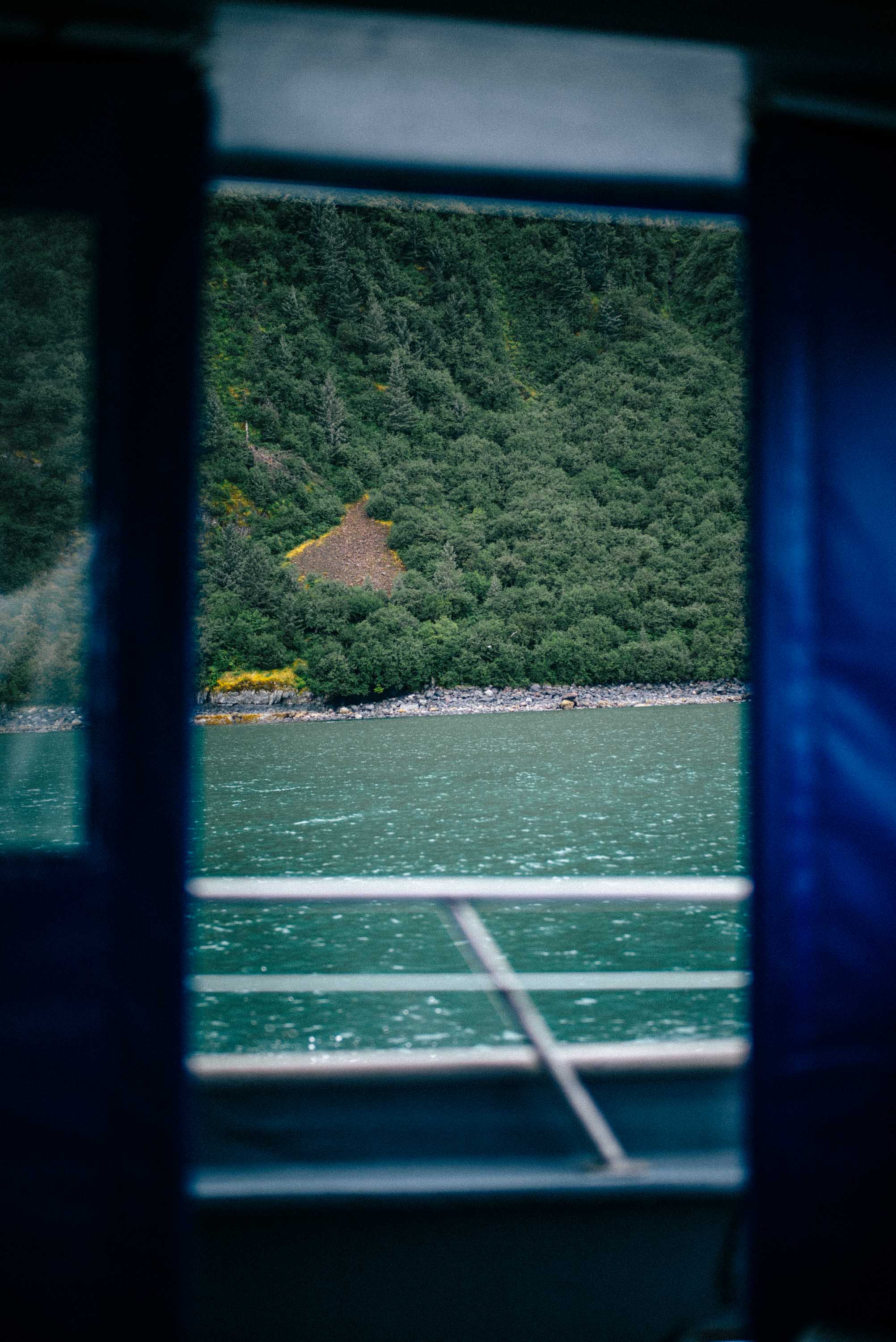
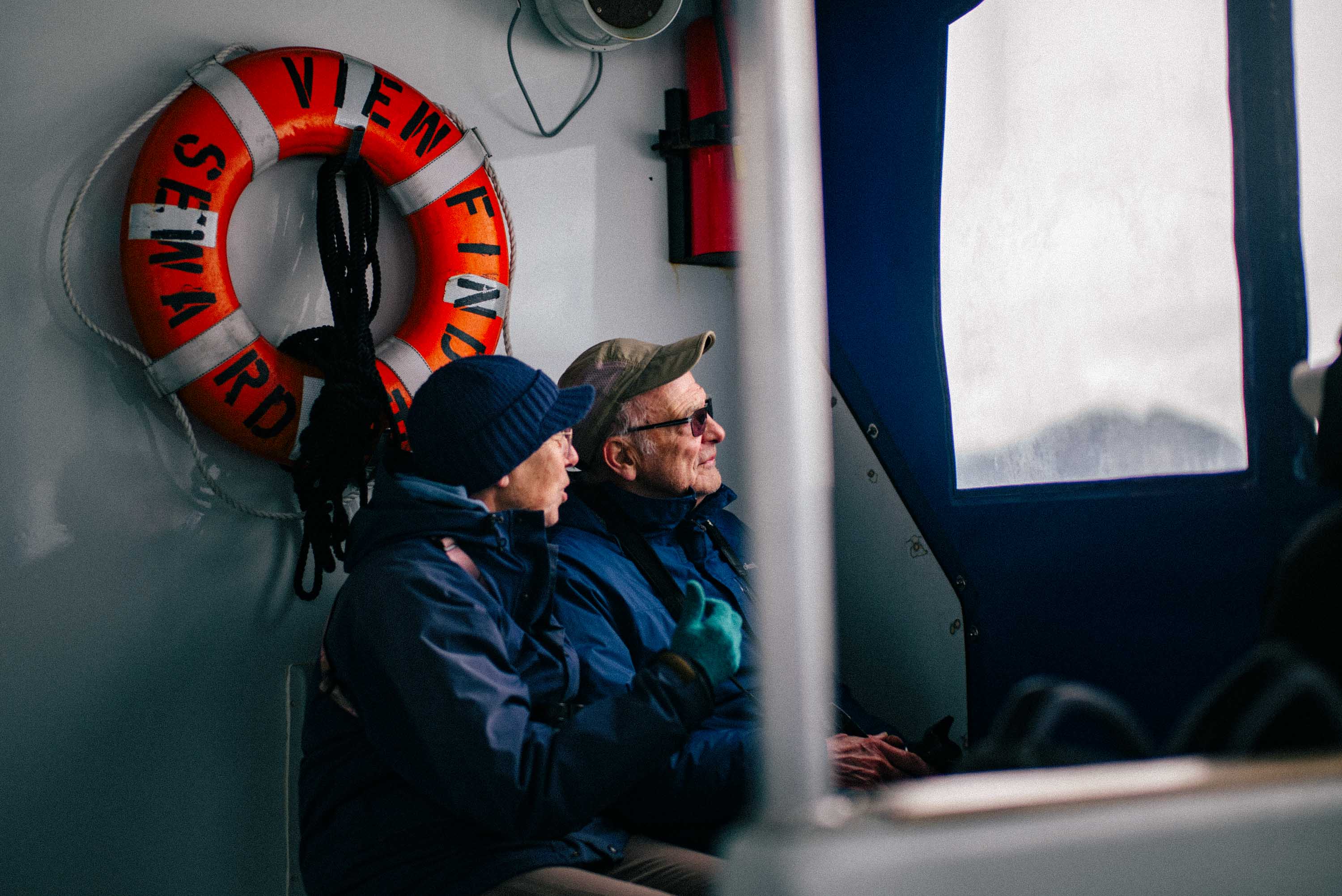
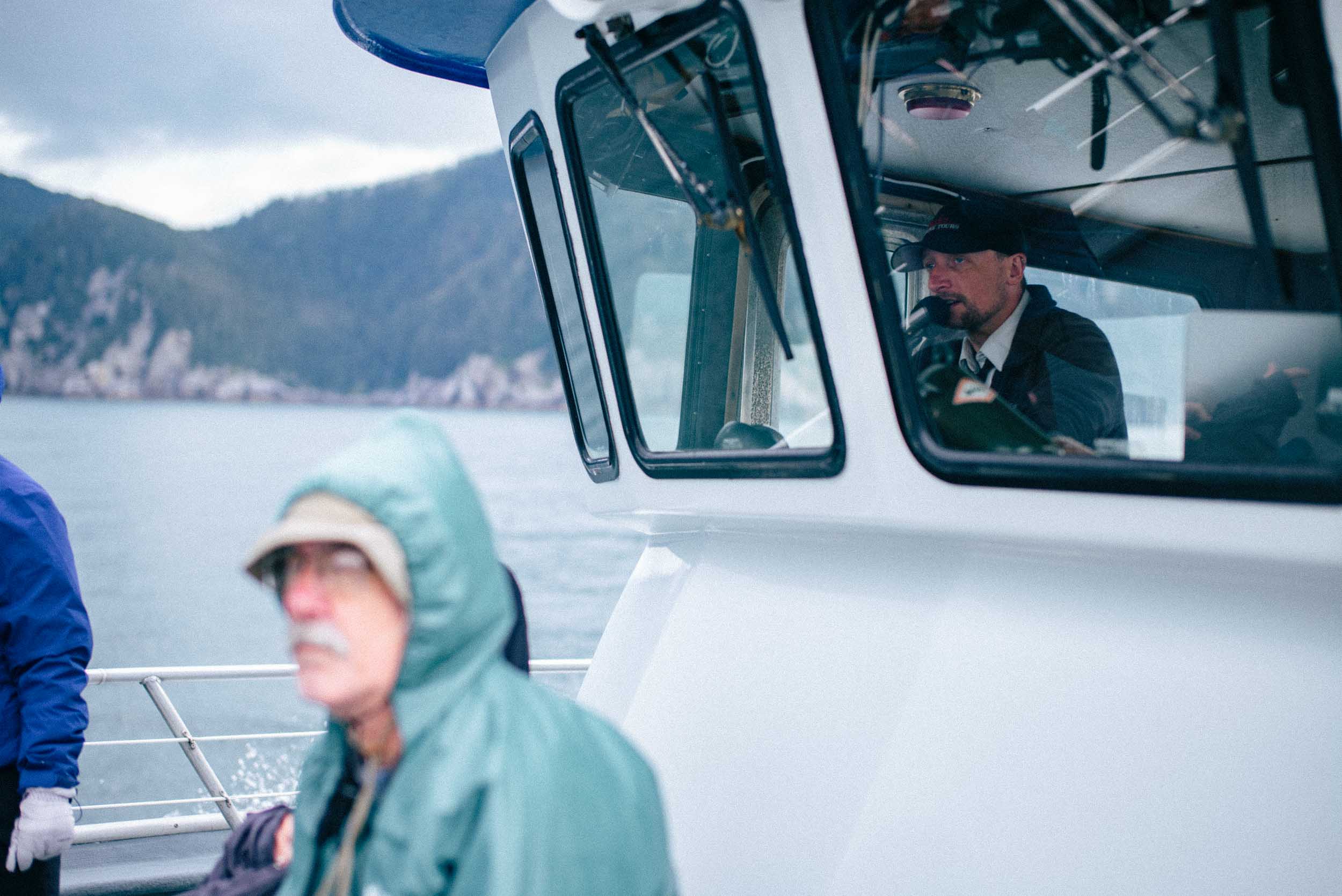
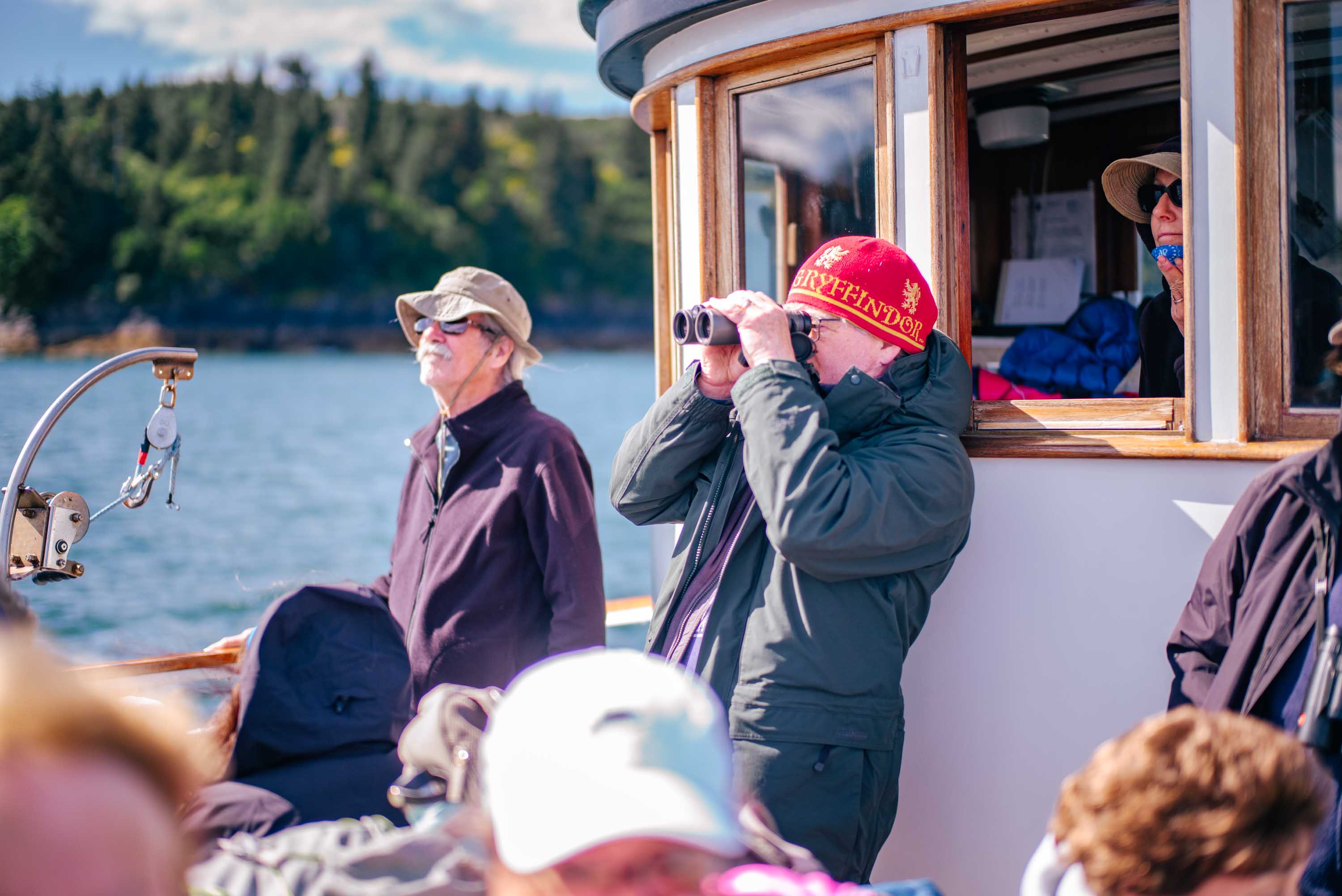
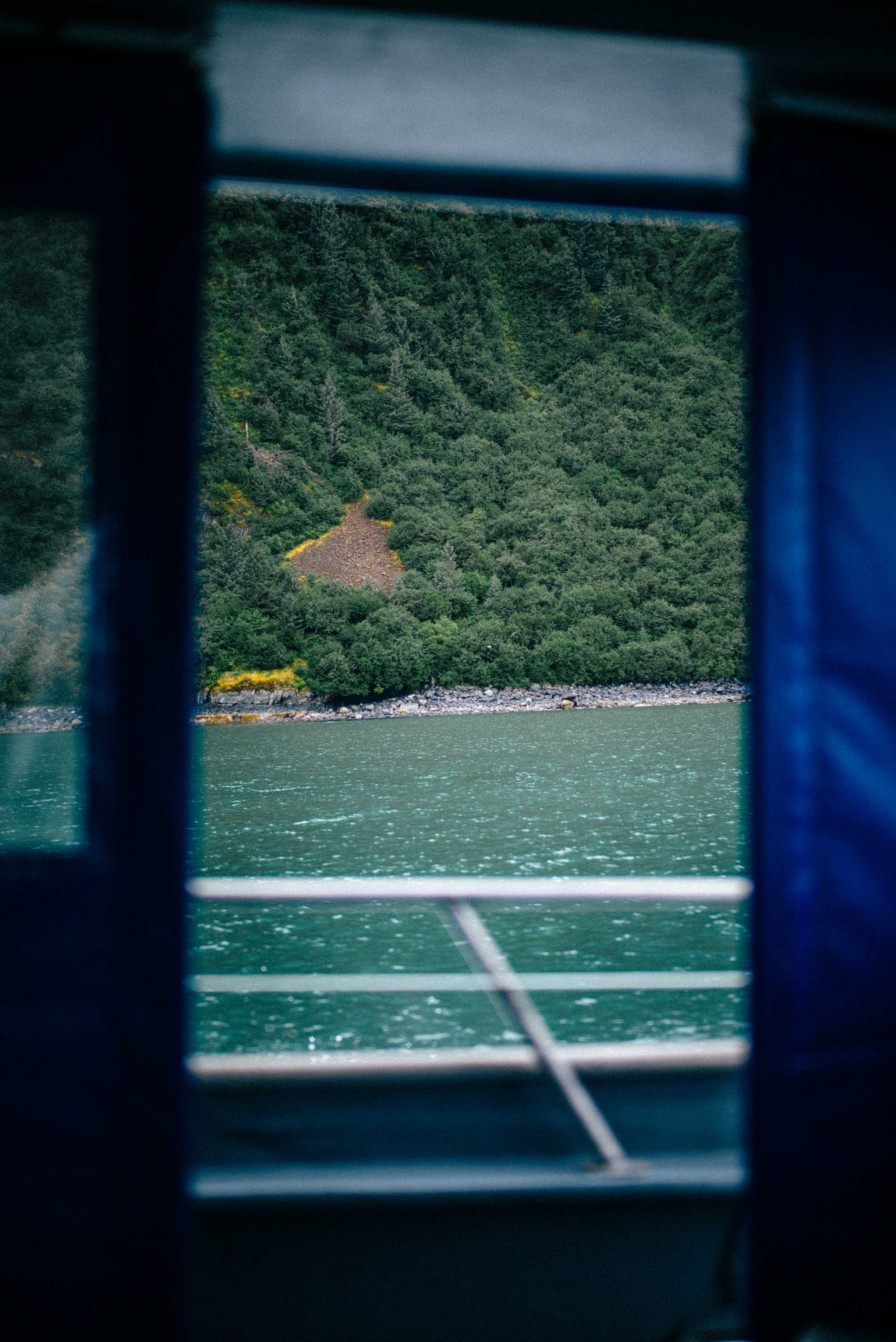
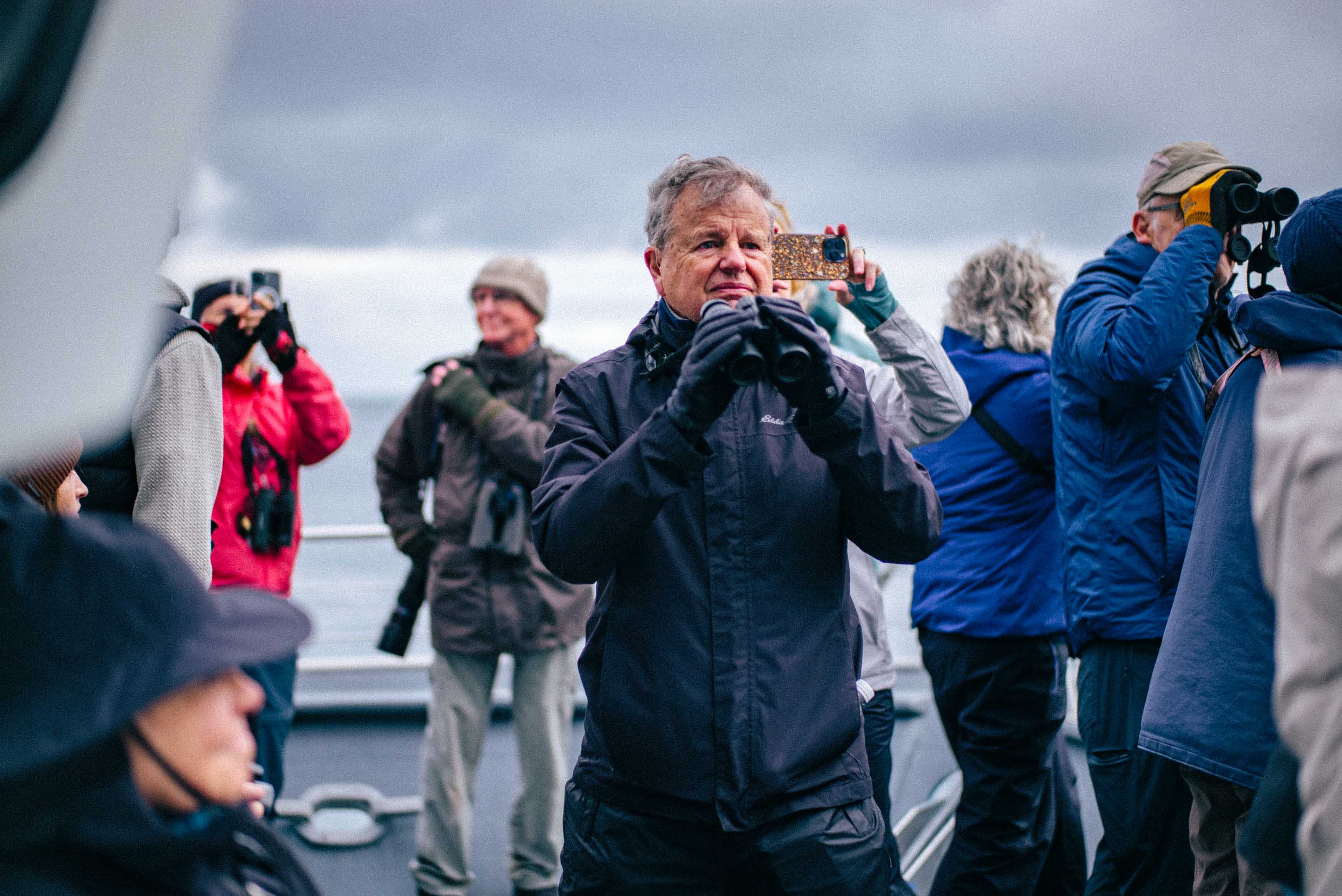
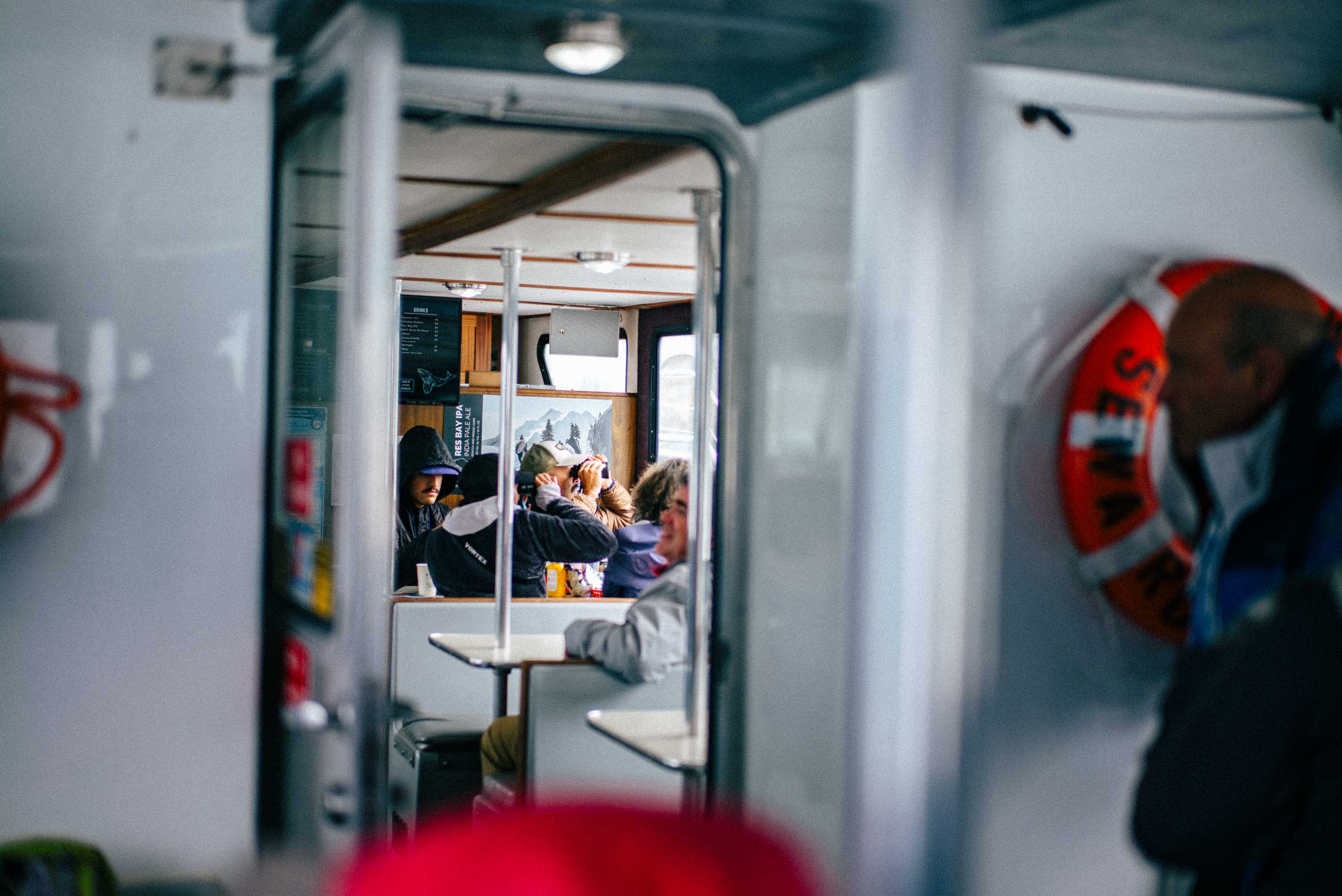
I started in long sleeves and gradually added layers as we coasted past islands in Resurrection Bay. We were barely in open ocean throughout the day, so swells were minimal. This is a huge plus for anyone who either struggles with seasickness or isn’t sure how they’d fare on a full pelagic day. The Viewfinder is a spacious boat made for indoor and outdoor viewing opportunities, making it more comfortable than most pelagic boats that birders take from the US shores.

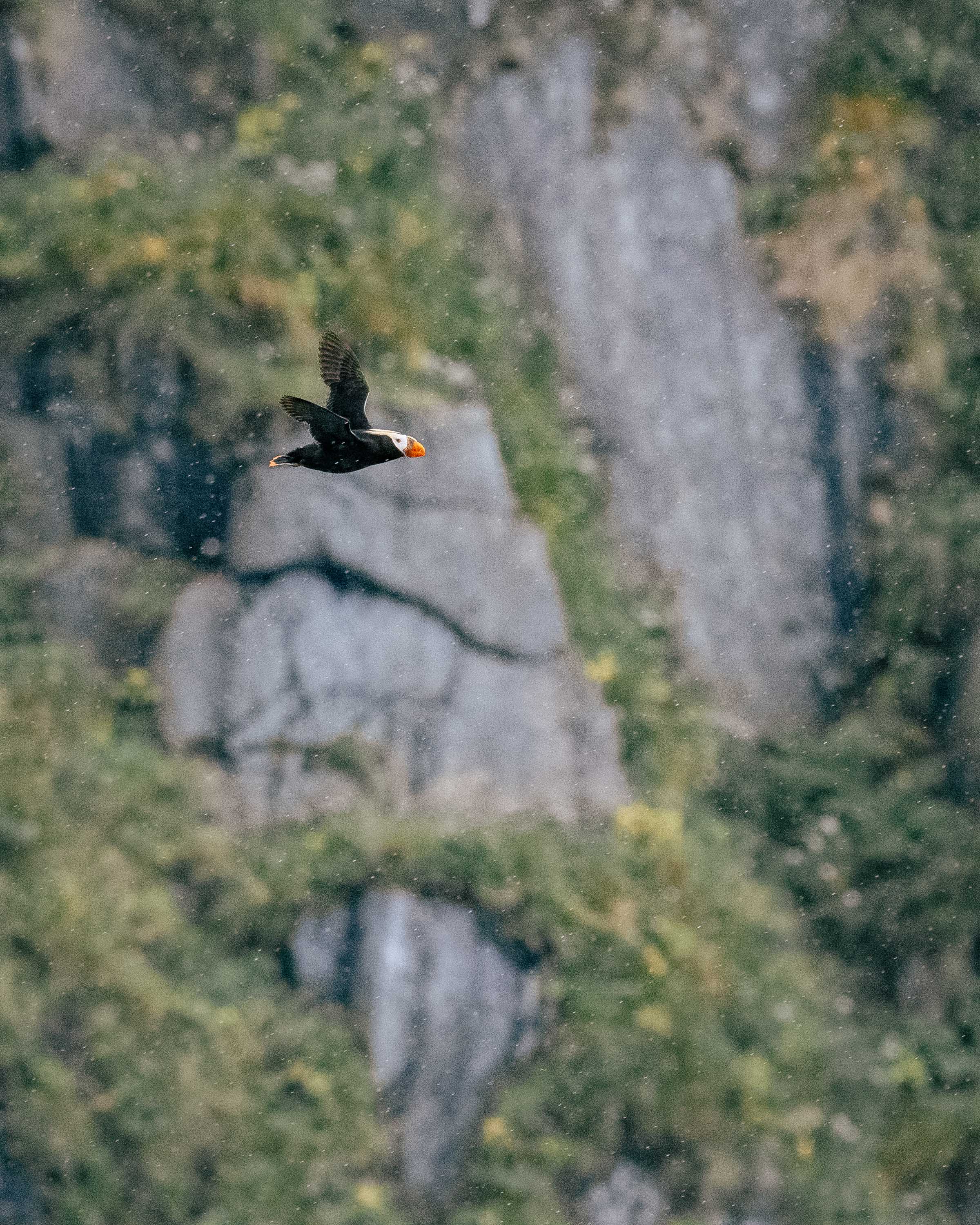
Tufted Puffin. It was such an exhilarating day that I hardly remembered this brief bout of rain before looking back at photos.
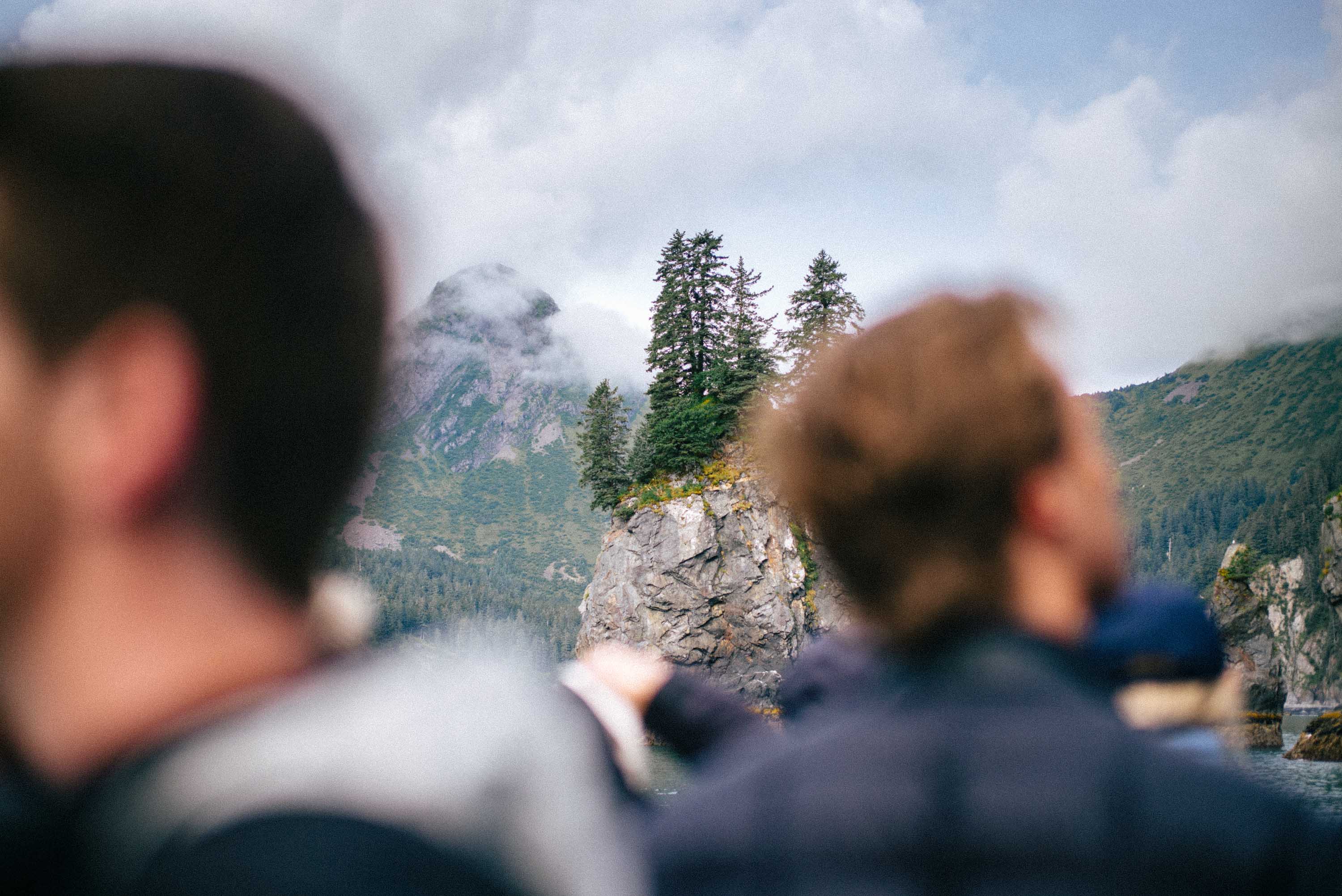
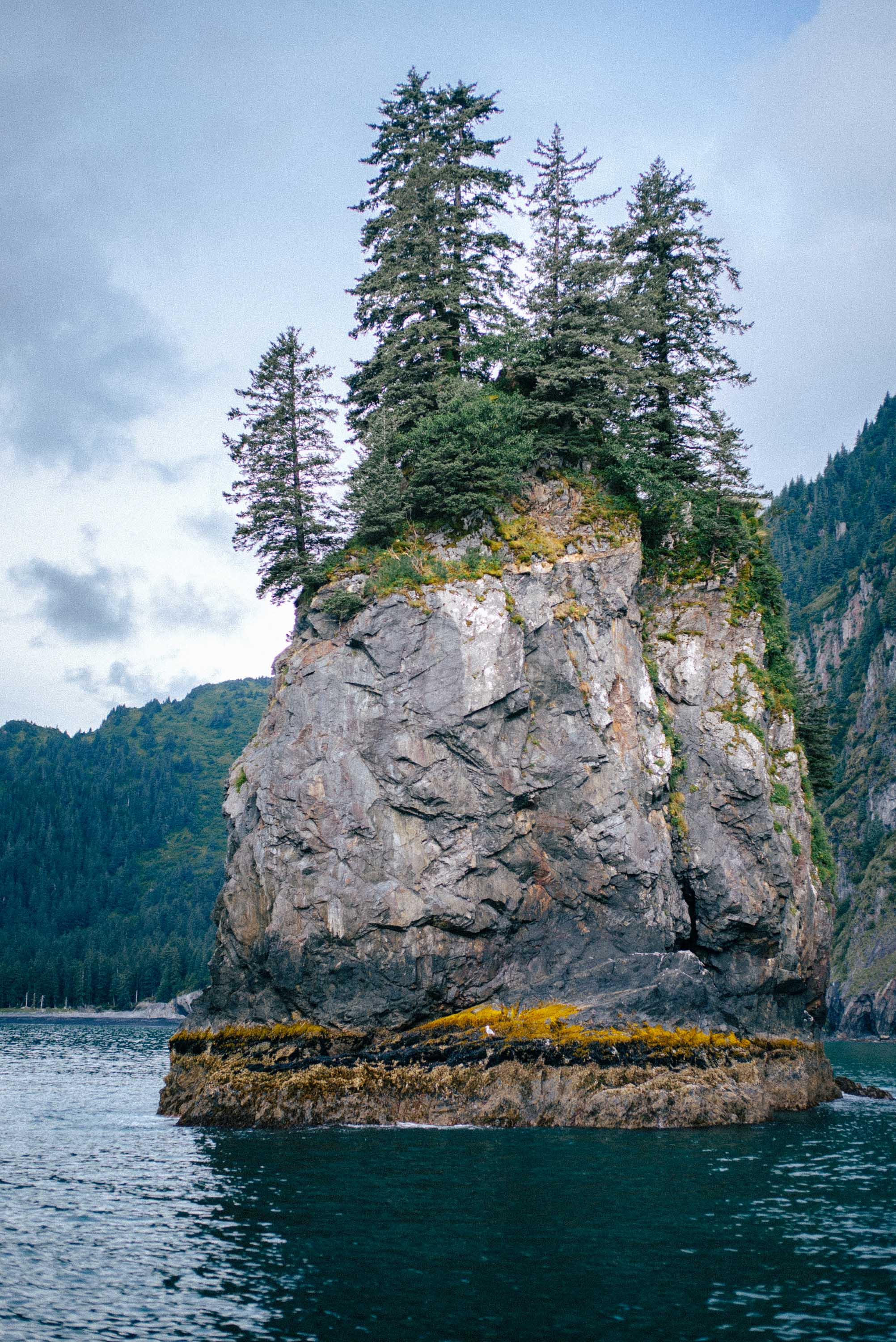
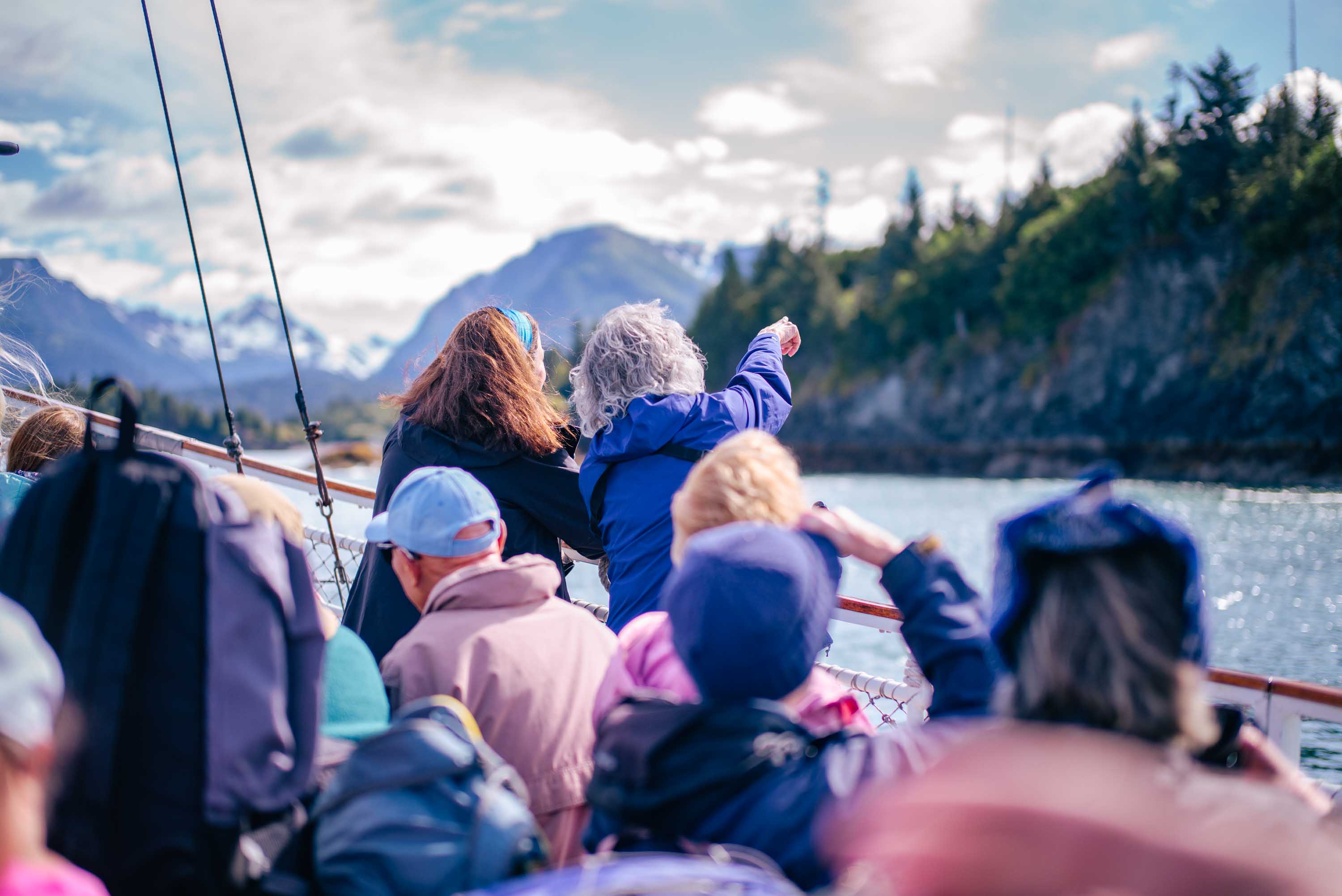
The comfort of the boat didn’t mean fewer sightings — in fact, it was one of the most exhilarating birding and wildlife viewing days I can imagine. Bird activity never stops, and on top of the baseline of Common Murres and Black-legged Kittiwakes, more species were constantly coming into sight. Alcids were the stars of the day, and we wound through multiple colonies of both Horned and Tufted Puffins. As we maneuvered through inlets, it was magical to watch both species crisscrossing just over our heads as they came and went from the towering rockfaces. We kept an eye out for Red-faced Cormorants, and even a few non-birding guests on the boat were intrigued by the hunt for this range-restricted species.
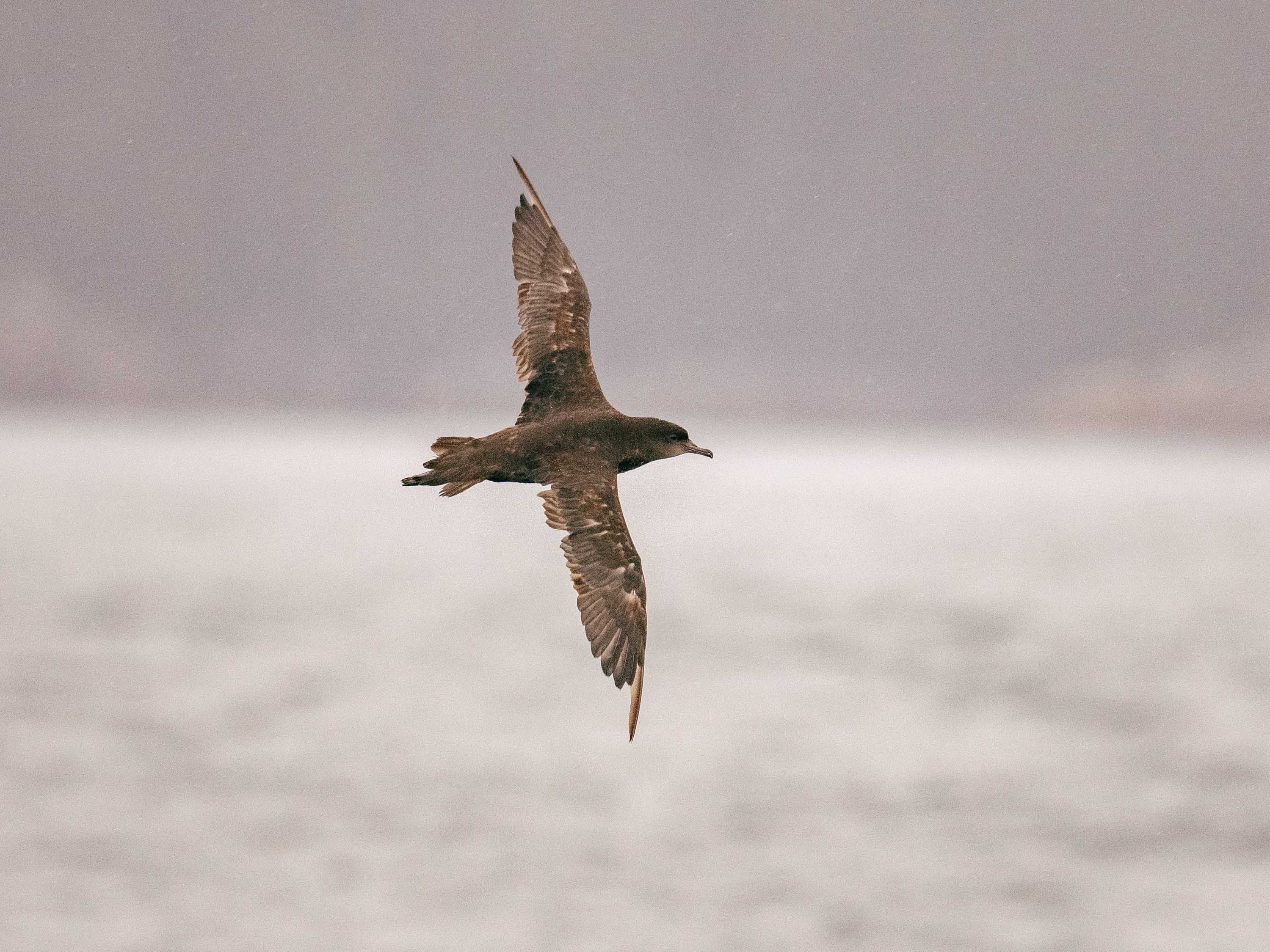
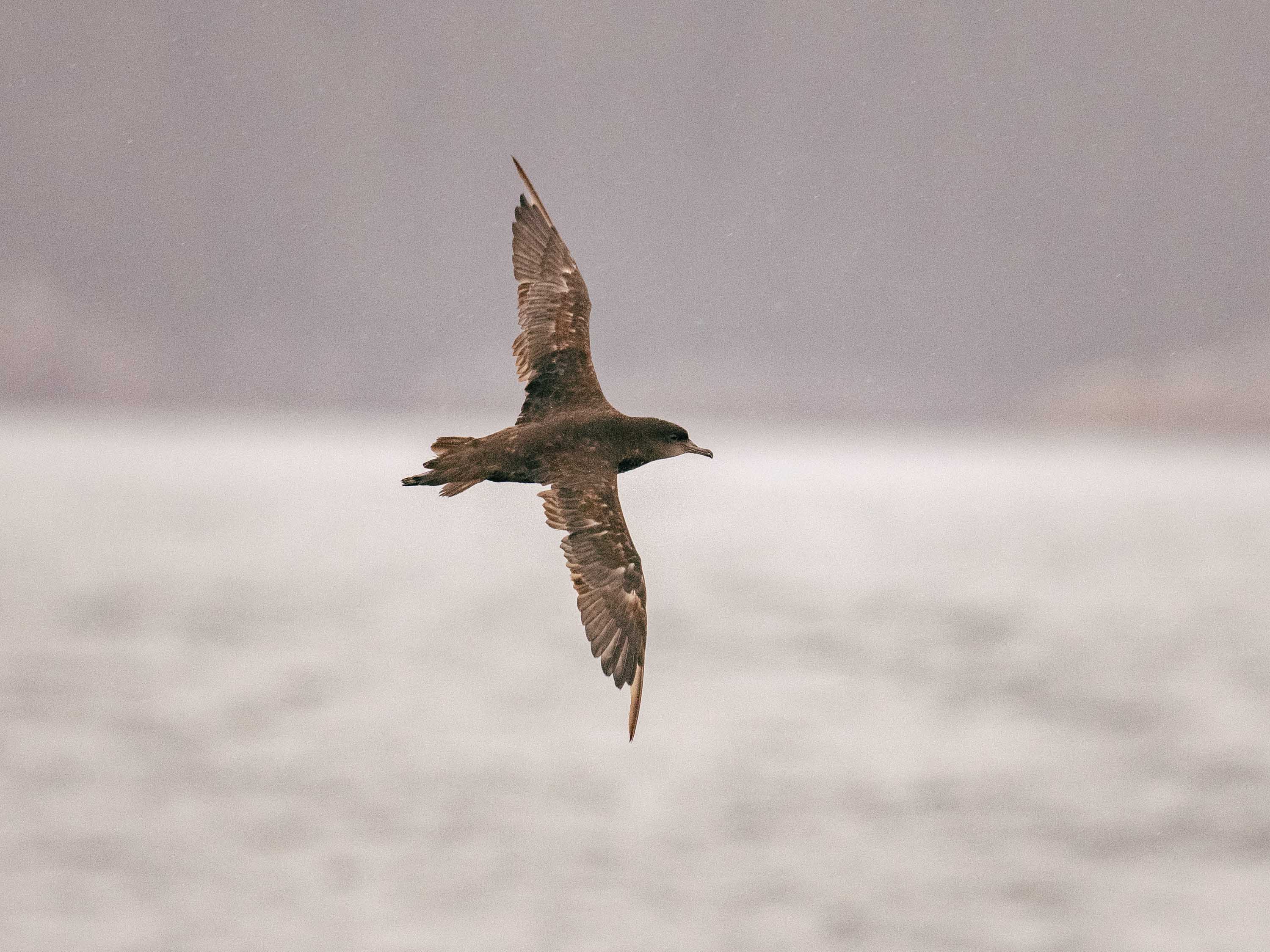
Steadily, we found more target birds: Kittlitz’s and Ancient Murrelets, Parakeet Auklets, and more than a hundred counted Rhinoceros Auklets as we quickly ate a deli lunch. A Short-tailed Shearwater on the water surprised us, and we had quicker looks at a Sooty Shearwater and Fork-tailed Storm-Petrels.
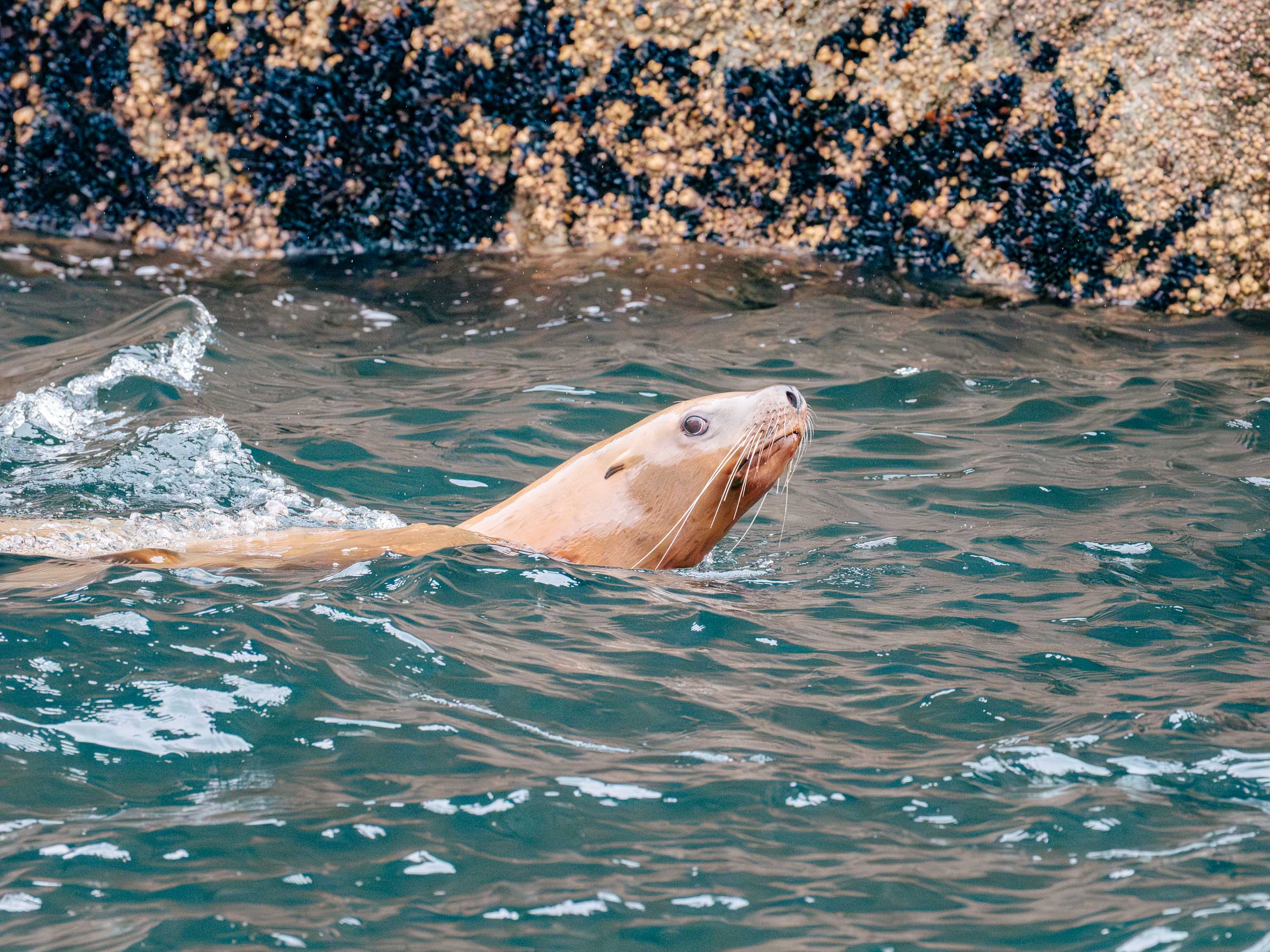
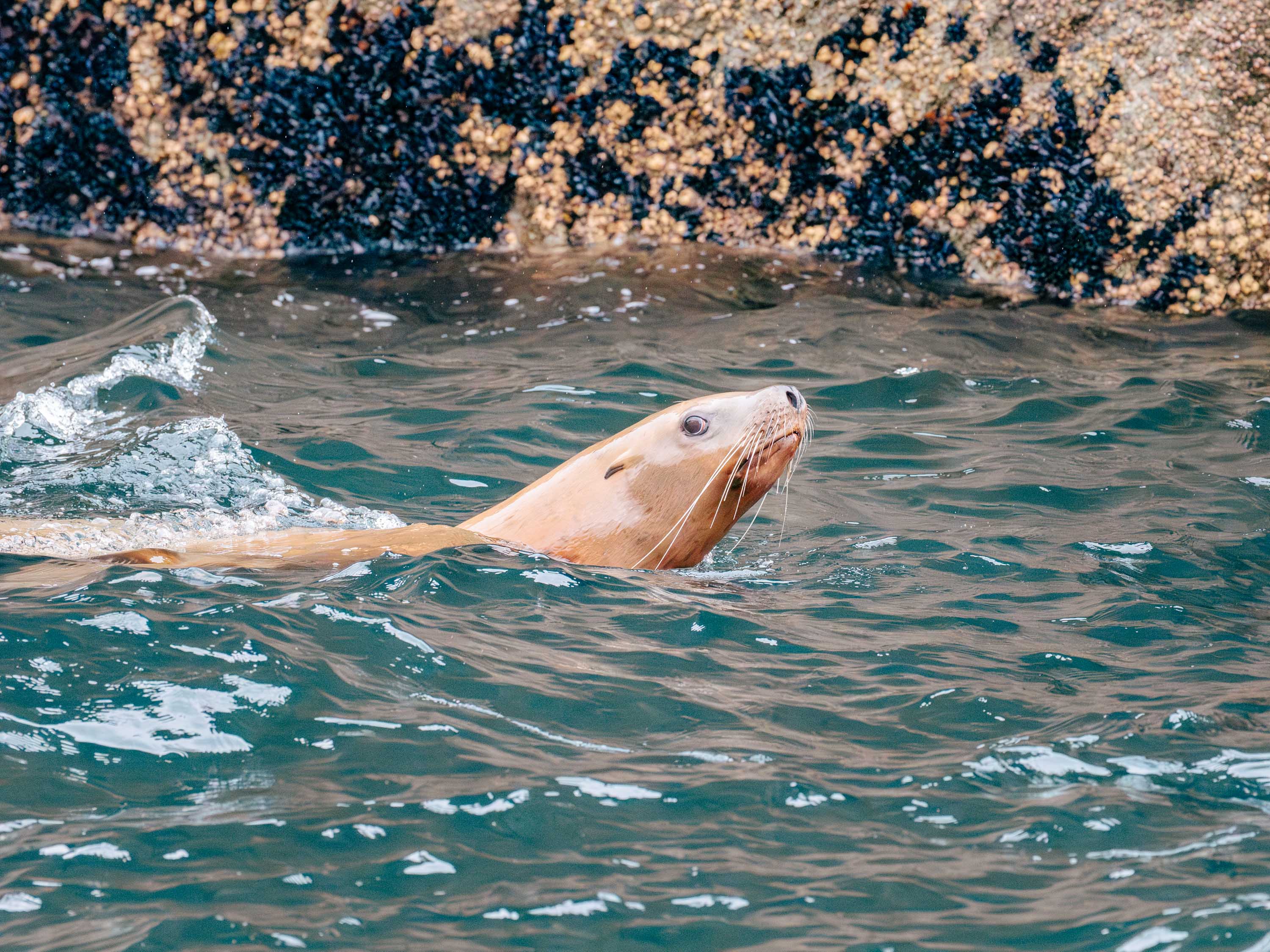
We followed a few Humpback Whales, and at one point, Dall’s Porpoises followed us to playfully ride our bow – a dolphin-like behavior that most porpoises are too shy to exhibit. A Mountain Goat family gave us perspective on the vastness of the surrounding cliffs, and more than once, we drifted past Steller’s Sea Lions lounging sleepily on the Chatham Islands.

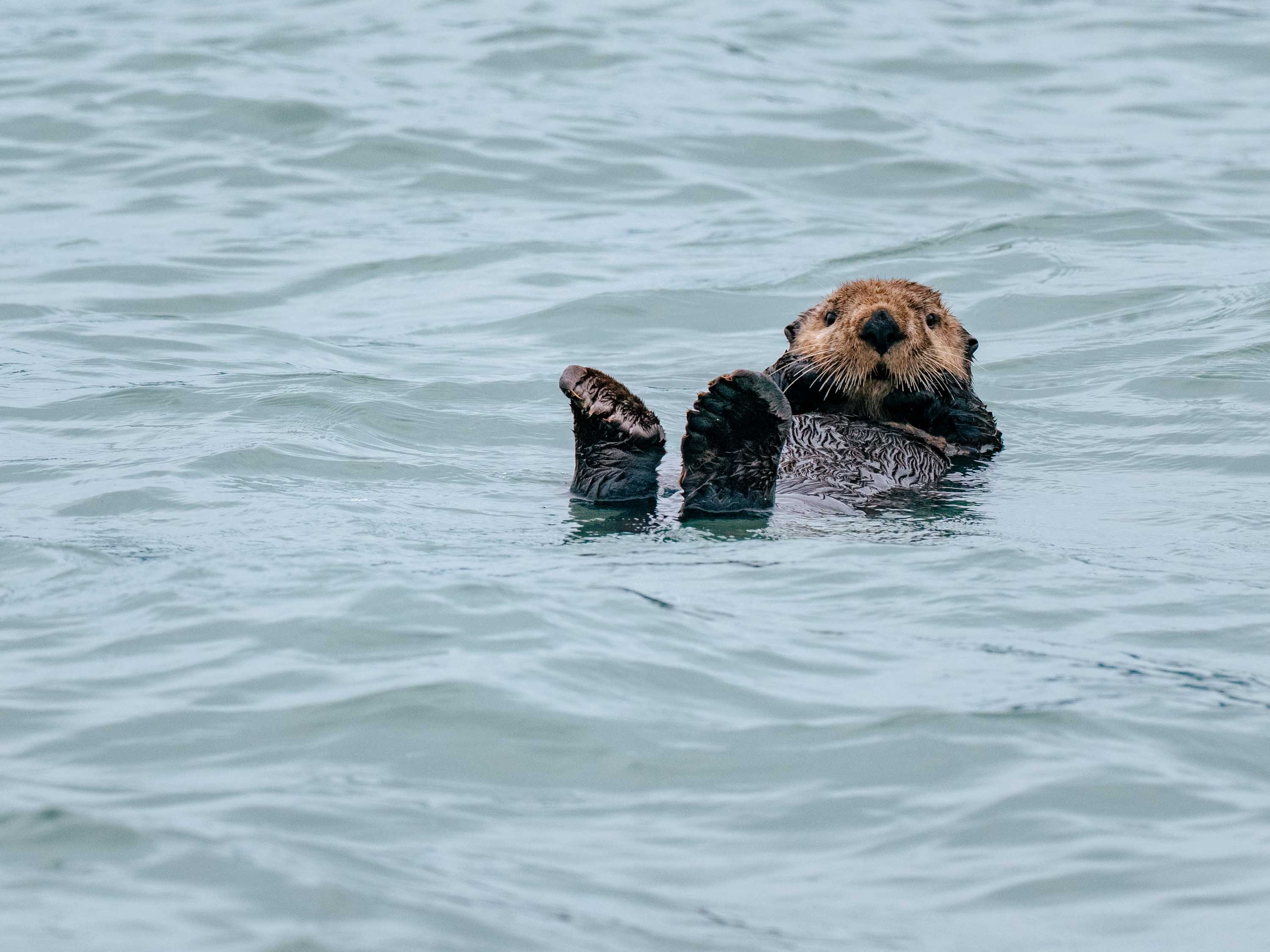
Sea Otters were common, but close views were extra special.
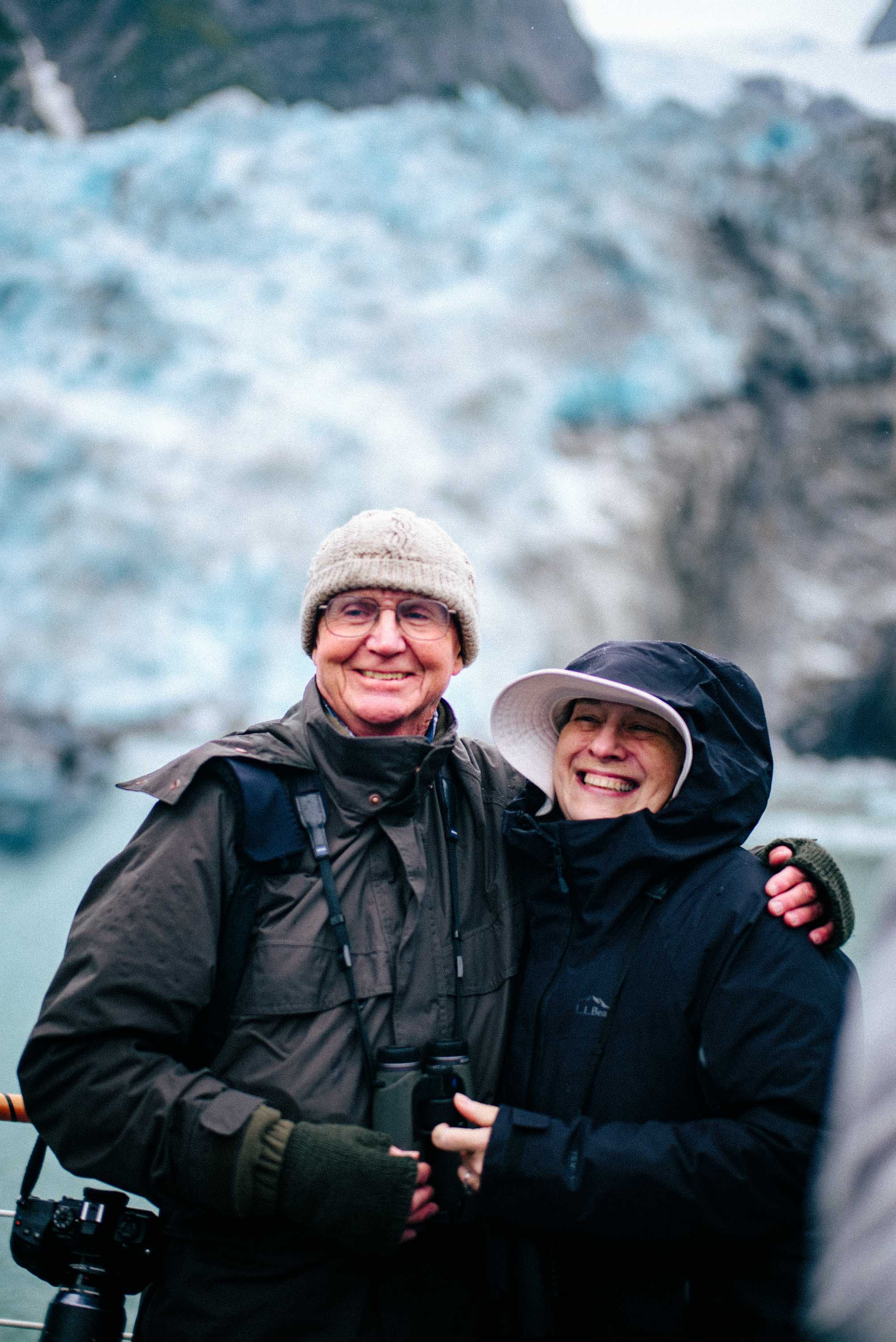
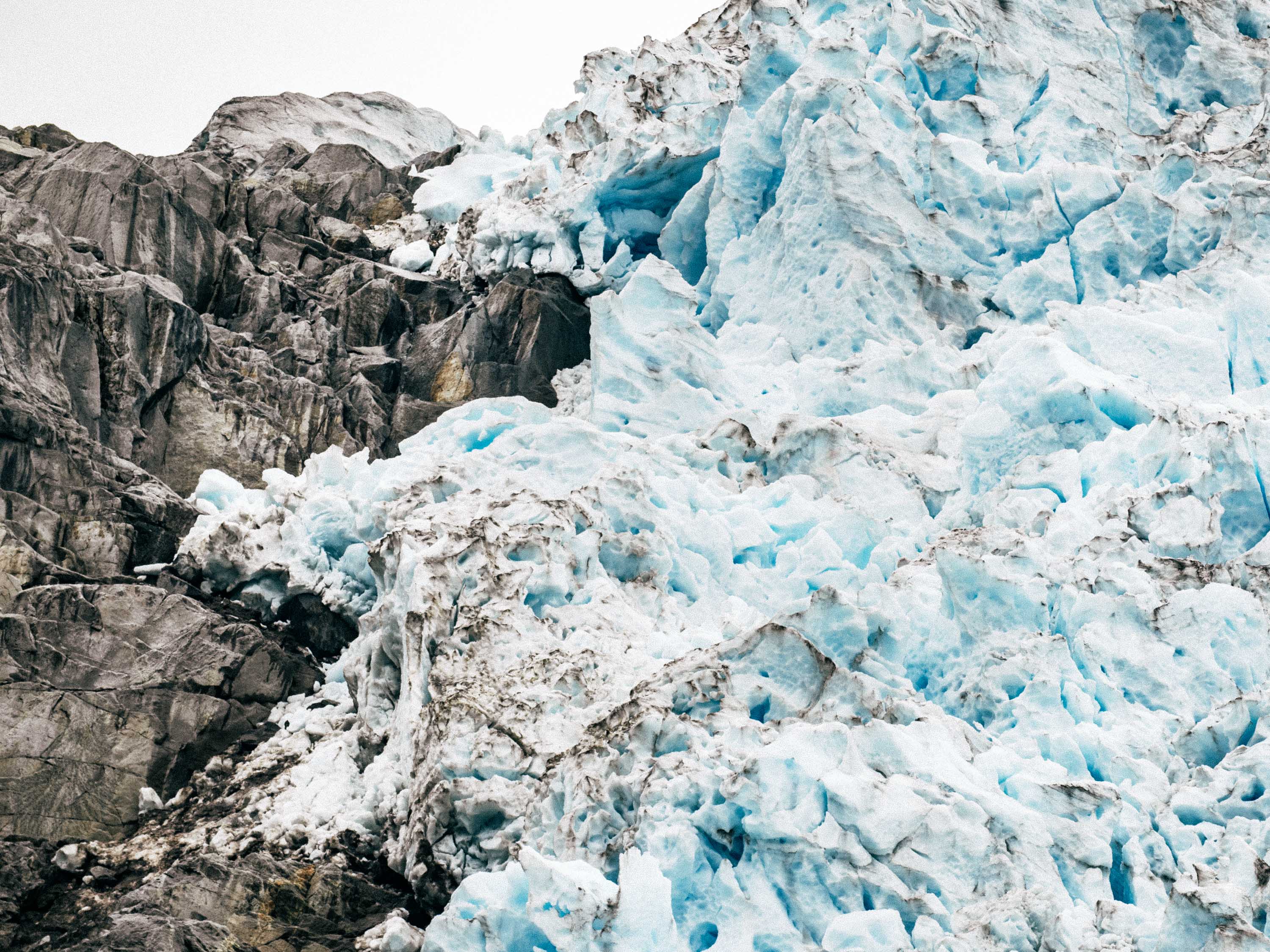
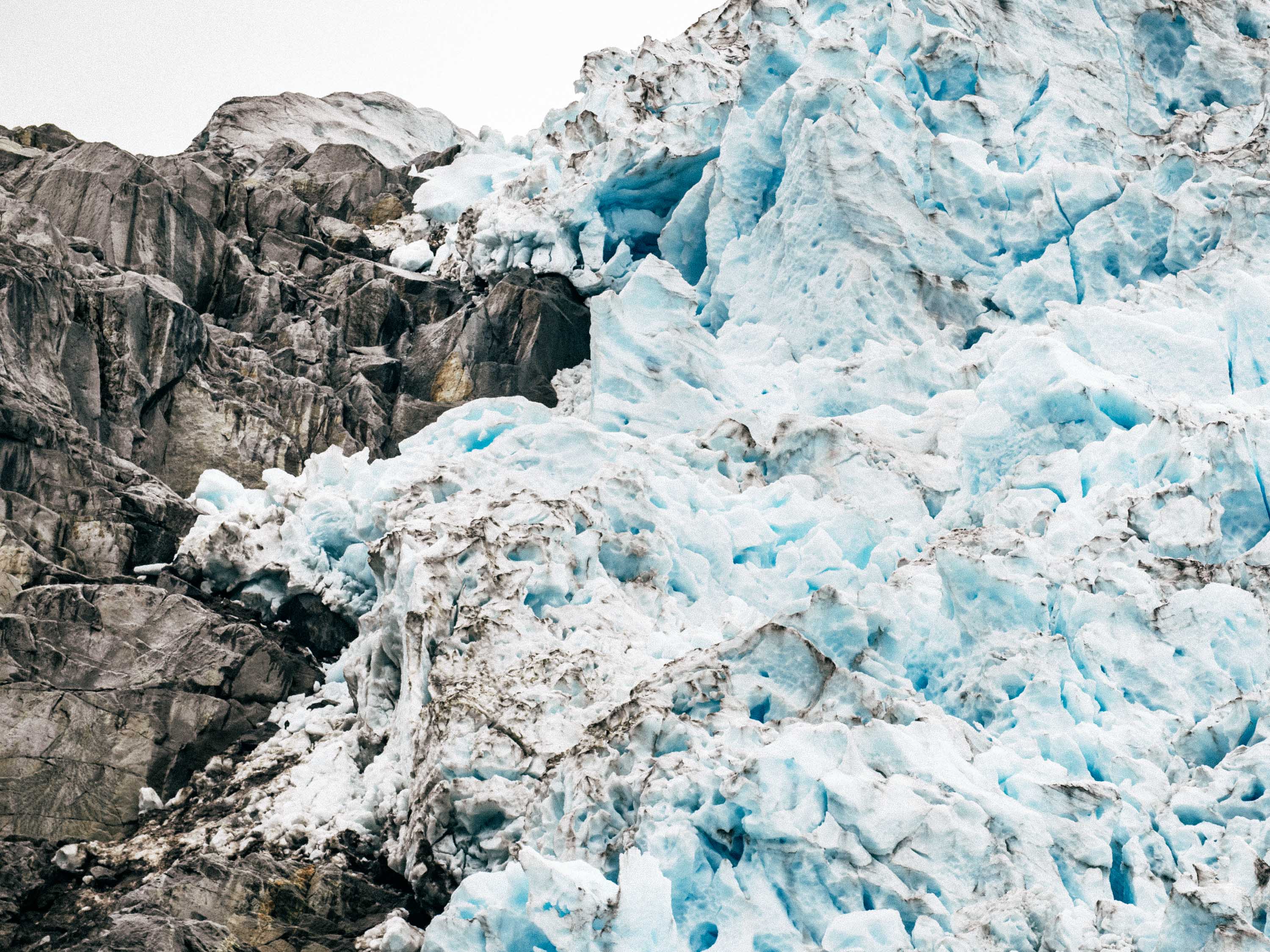
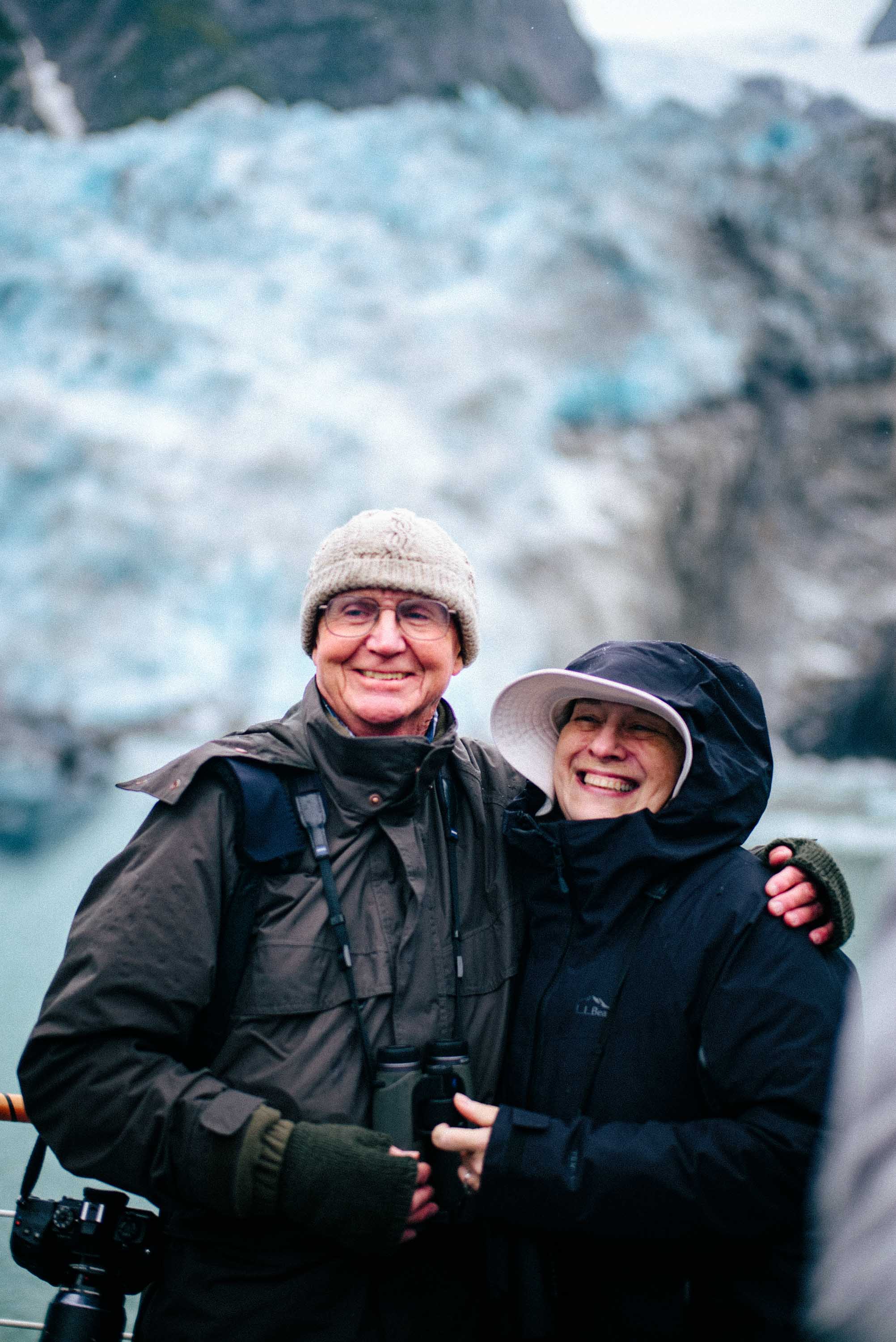
When I think back on that day, it’s not the birds that immediately hit my mind, but the rush of chilling winds as we rounded a corner to a glacier filling our horizon. It felt like the massive views of wonder we’d been taking in for days were suddenly condensed into a singular, enormous thing. The boat shut down, and we all fell silent as the moment overwhelmed our senses. A cracking sound pierced the air, and our boat erupted in squeals as a bus-sized block of ice calved into the sea. The dozens of harbor seals on the ice pack barely seemed to notice the vulnerability of their solid and liquid world, but our boat erupted in squeals each time a bus-sized chunk of ice crashed into the watery abyss.

Glacial overwhelm.
The scenery and wildlife continued to roll by without end. The hardest part of the day was stepping inside for a quick and surprisingly deluxe deli lunch that the outfitter provided. The two-man crew was extremely knowledgeable and friendly — the kind of duo that you want to stay in earshot of, just to hear what facts they’re sharing next. But it didn’t take any professional guidance to be mesmerized by the ongoing spectacle.
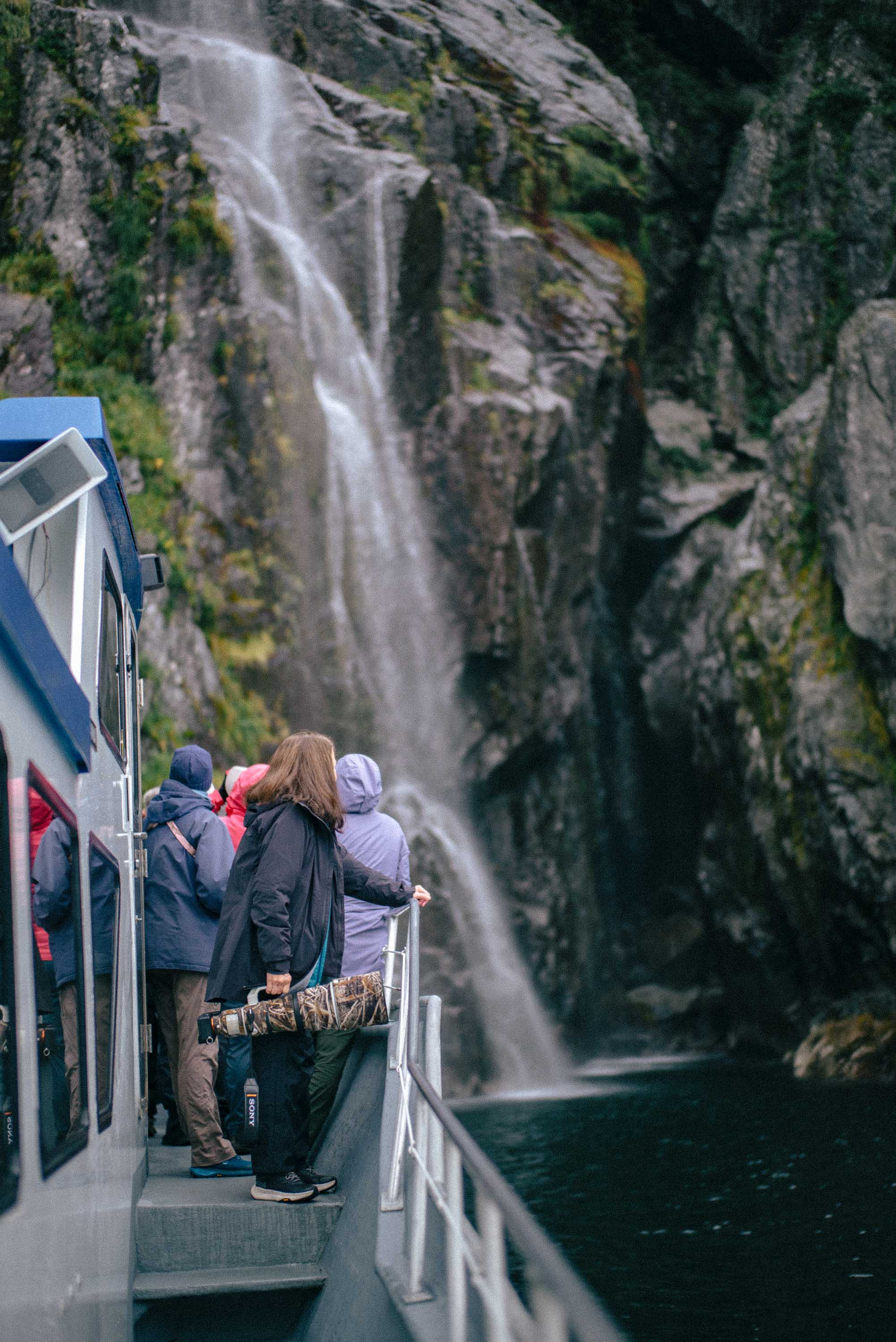
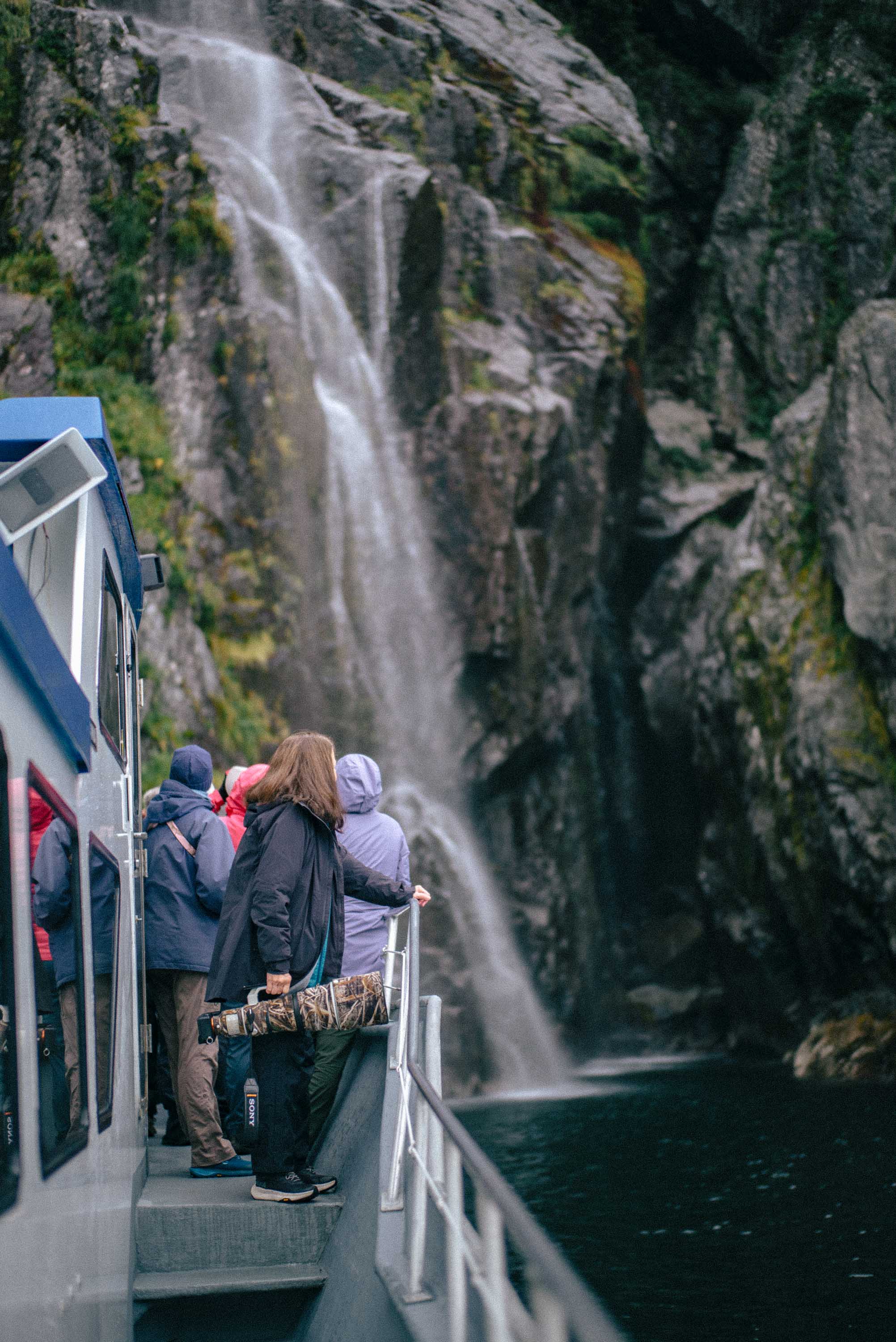
Later in the afternoon, after starting to turn back, we took one final detour to a cliff face that was alive with dozens of small cascading waterfalls. Again, we turned the boat off, so close we could almost touch the vertical wall extending into the fog and out of sight. A song sparrow darted from the lush vegetation clinging to a ledge. I didn’t know a place like that existed before seeing it myself.
That day was surely a highlight of our tour — but we weren’t even halfway done. The next morning, we birded a few spots around the lovely town of Seward, then went to the equally charming Sealife Center before making the drive to Homer for the next leg of our trip.
Life on the Spit: Homer’s Enticement
Homer isn’t a place that makes it onto every Alaskan birding itinerary. It’s on the opposite side of the Kenai Peninsula from Seward, facing the Cook Inlet. But by the end of the trip, the entire group concluded that this area was not one to overlook, and was maybe even the favorite place we visited overall.
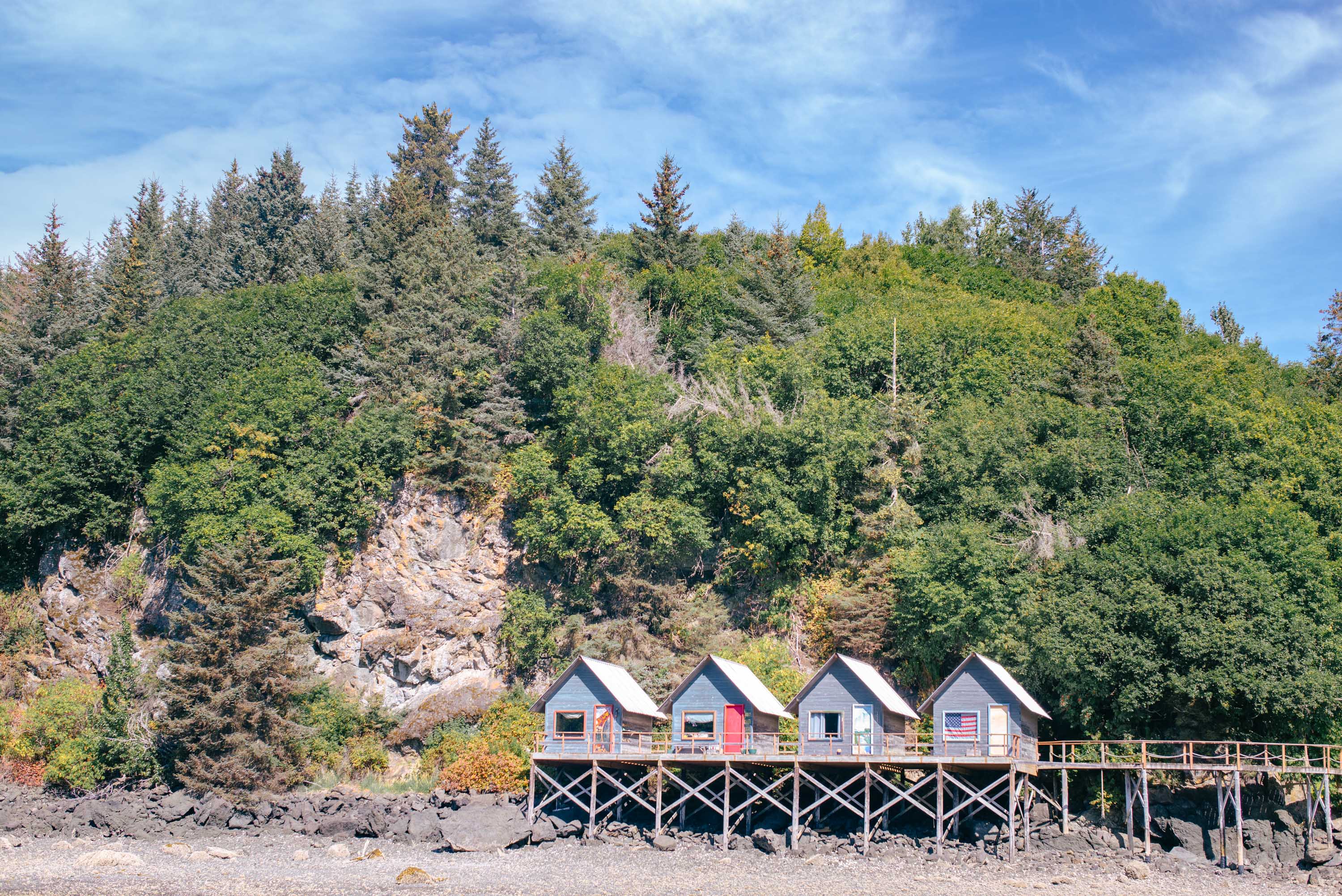
Homer is a bustling town of local happenings and lots of tourism geared entirely toward outdoor recreation. We wound through it all as we went to Land’s End: our perfectly named hotel, clear at the end of the jutting Homer Spit. Our rooms looked out onto the productive sea, with Sea Otters and Horned Puffins regularly coming into binocular view. Next to the hotel was a massive Black-legged Kittiwake colony, and the list of seabirds from our cozy home base grew daily.

A quick glance from this moose cow as she decided we were no threat to her or her ornery calf.
We had three days to explore the area, and there were so many great birding and wildlife spots that we easily filled the time. We worked up and down the coast with the tides, dipping into interior forests teeming with white-winged crossbills, boreal chickadees, and even reliably seen moose. We hardly needed to venture more than a few miles from the hotel to get to our birding spots…I could’ve easily spent an entire day seawatching from one place. Just like the rest of the tour, each evening featured a new restaurant that typically specialized in a huge selection of fresh-caught seafood.
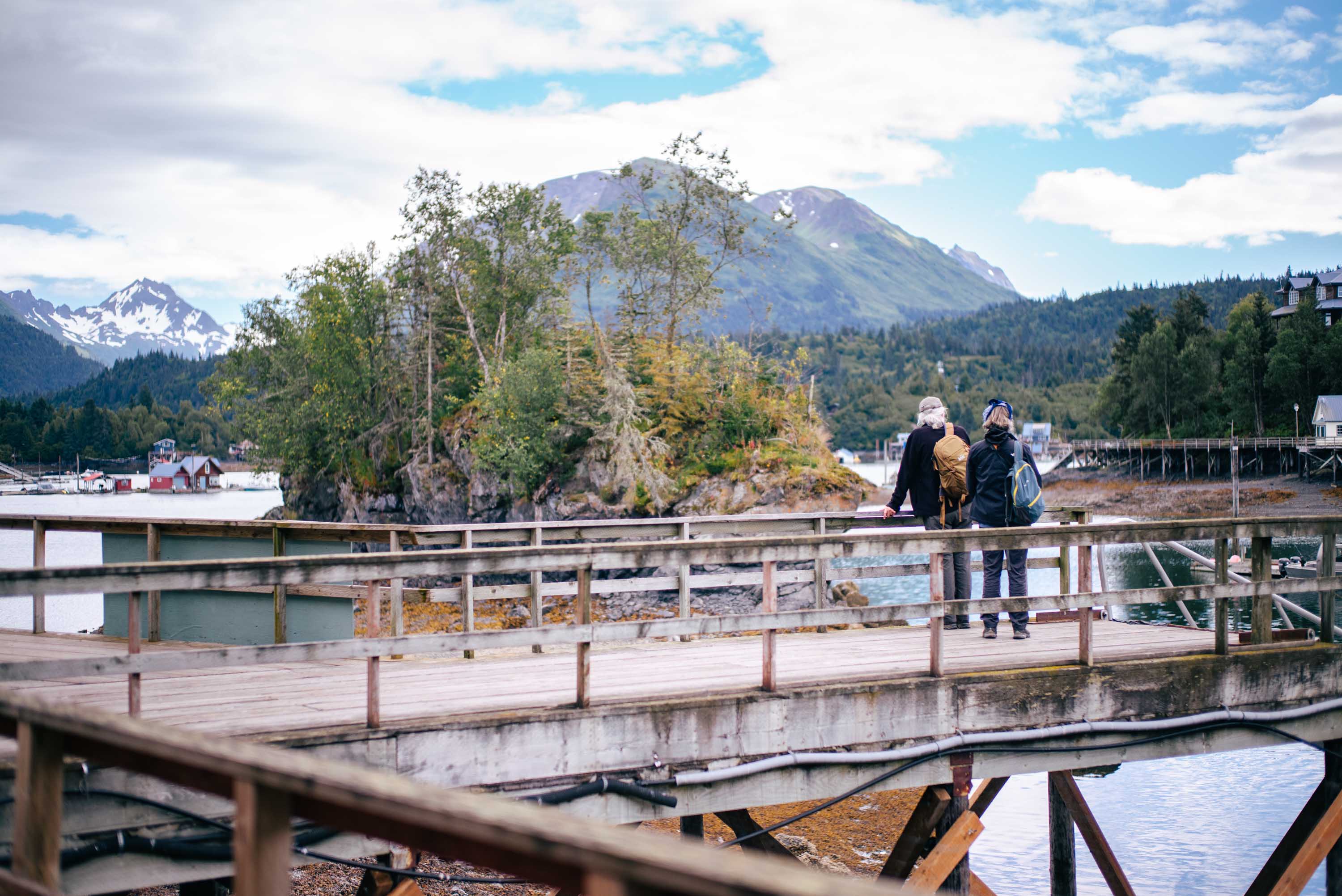
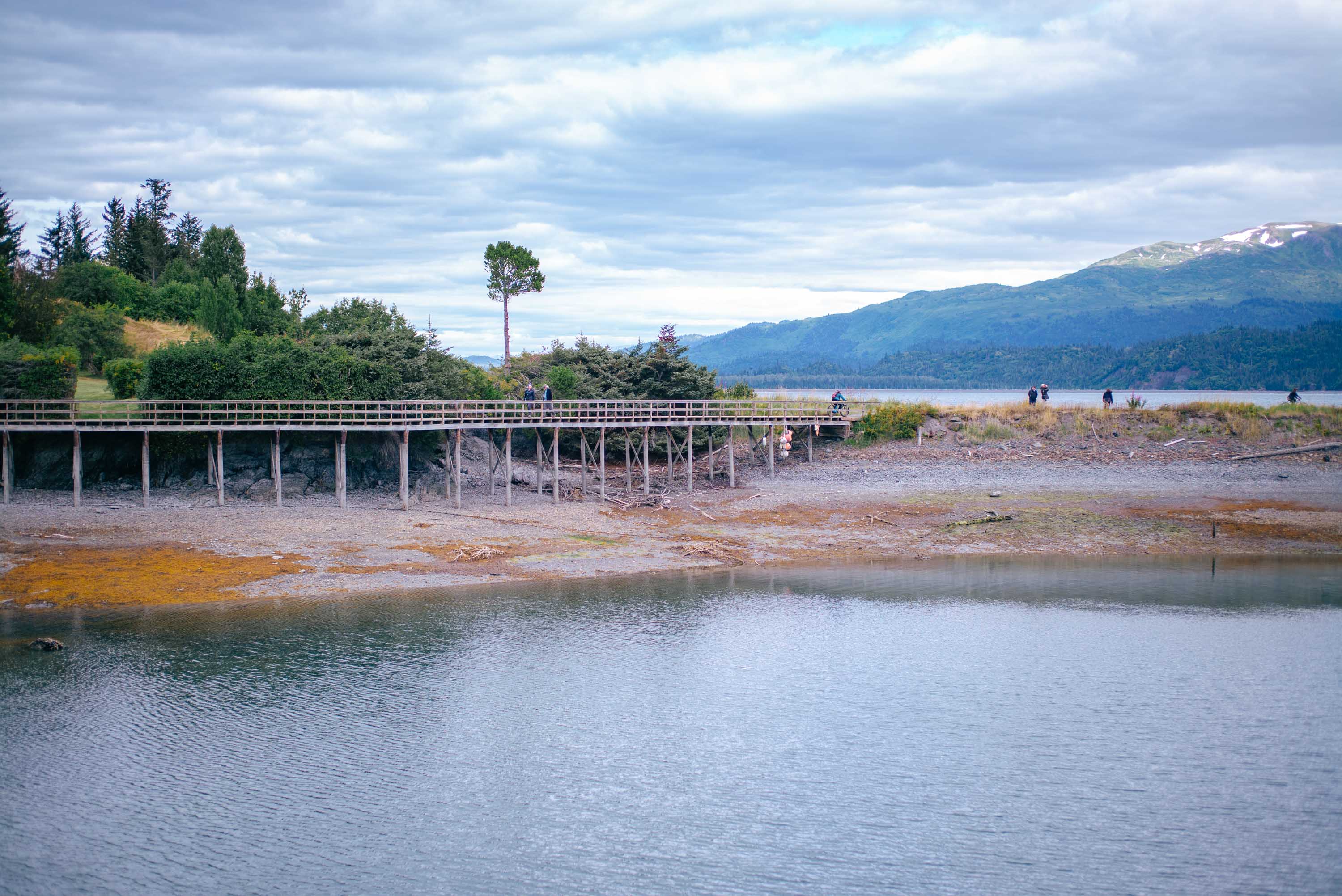
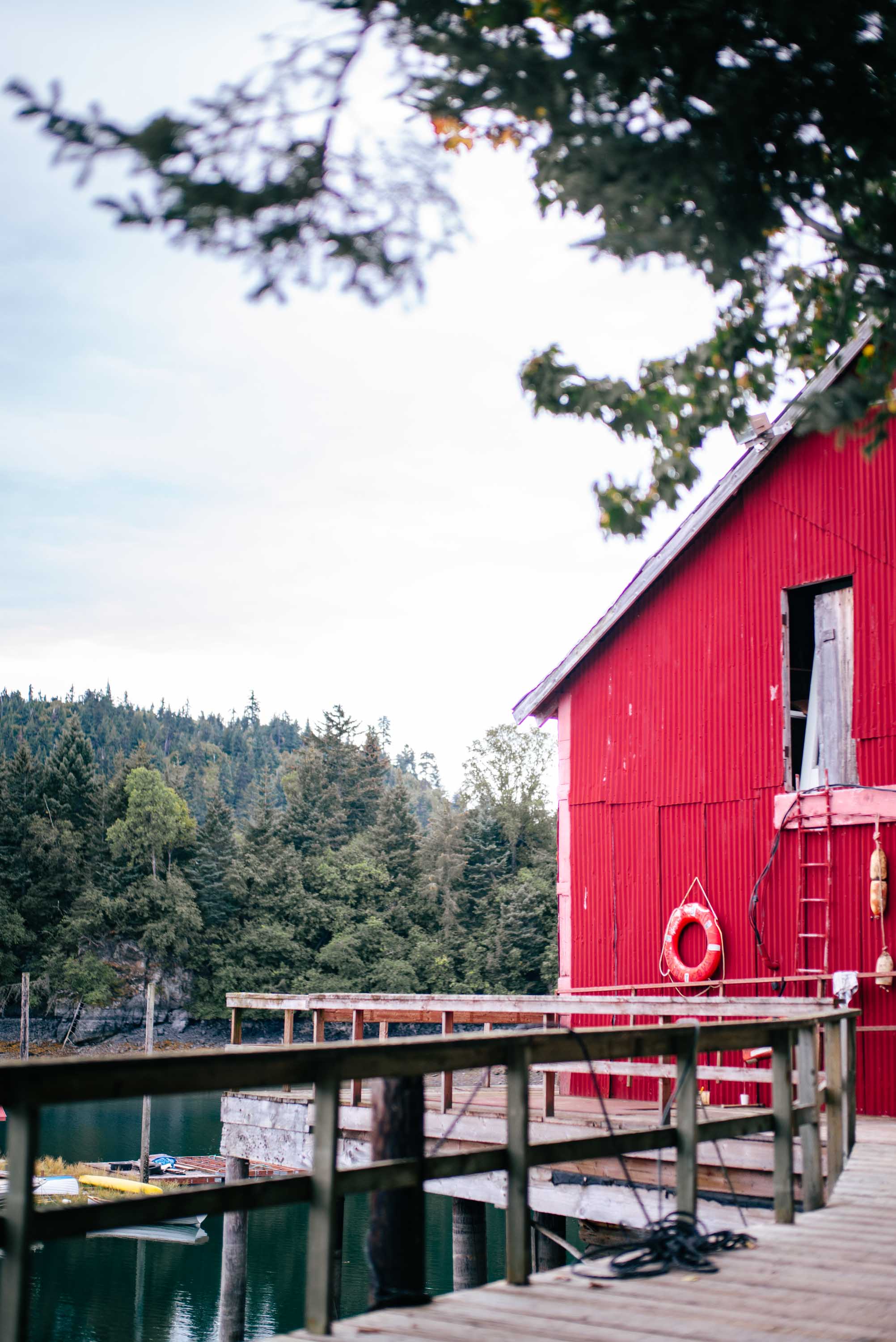
In addition to birding on the outskirts of town, we took a boat excursion across Kachemak Bay to visit Halibut Cove. Established as a fishing village and now an artistic hub, Halibut Cove is inaccessible by road and has only a few dozen permanent residents. We looped around an enticing sidetrack: Gull Island is on the way and houses 20,000 nesting murres, kittiwakes, puffins, and cormorants. Once we docked, we had a delicious lunch at the single seasonal restaurant, followed by time to wander at our own paces along the cove’s single boardwalk with a tinge of mid-afternoon sleepiness.


The Brown Bear Experience
Homer’s location is great for another thing: bush plane rides across the inlet to Lake Clark and Katmai National Parks, where brown bears famously feed on the salmon runs with incredibly close viewing opportunities for humans. Others had told me that it was a true once-in-a-lifetime kind of experience, and the only reason I could stand the anticipation was the constant distraction of everything else Alaska had to offer our group.
The morning came, and we loaded into five-passenger planes, flying north up the coastline before crossing Cook Inlet. The ride itself was completely stunning, and clear skies allowed for downright dreamy views of the Chigmit Mountains within Lake Clark National Park.
We crossed the Cook Inlet, low enough that I was hopeful for cetacean sightings, but the first mammal I found was our target. As we made a big spiral into a bay, I first saw a massive brown bear prodding along the coast, then another, and a third as we approached a few other planes in the sand. With no runway, we skidded to a quick halt after a sharp pivot away from the water.

A quick stop in the sand, and we were on our way.
The snow-covered Iliamna Volcano loomed just north of us as we approached the tributary in hopes of close bears. We topped a bank to see two medium-sized brown bears several hundred yards away, playing with each other as they moved toward the river mouth. The smaller, beautifully shaggy, square-faced bear scooped up a salmon and excitedly dragged it to shore, much like the way my dogs delight in finding a bone. However, his fun ended abruptly as a much larger bear rounded the corner, and he immediately took off away from the water to eat his catch in peace.

This young male’s fun was over as he saw a large female round the corner.
We watched this unfold through our binoculars, and though the bigger bear was a quarter mile away, the salmon run could bring her in our direction. We settled into the steep bank above the river, leaving about ten feet between us and the water’s edge below. I wanted my camera as low to the ground as possible, so I dug a small hole in the rocky sand and laid facedown toward the water.
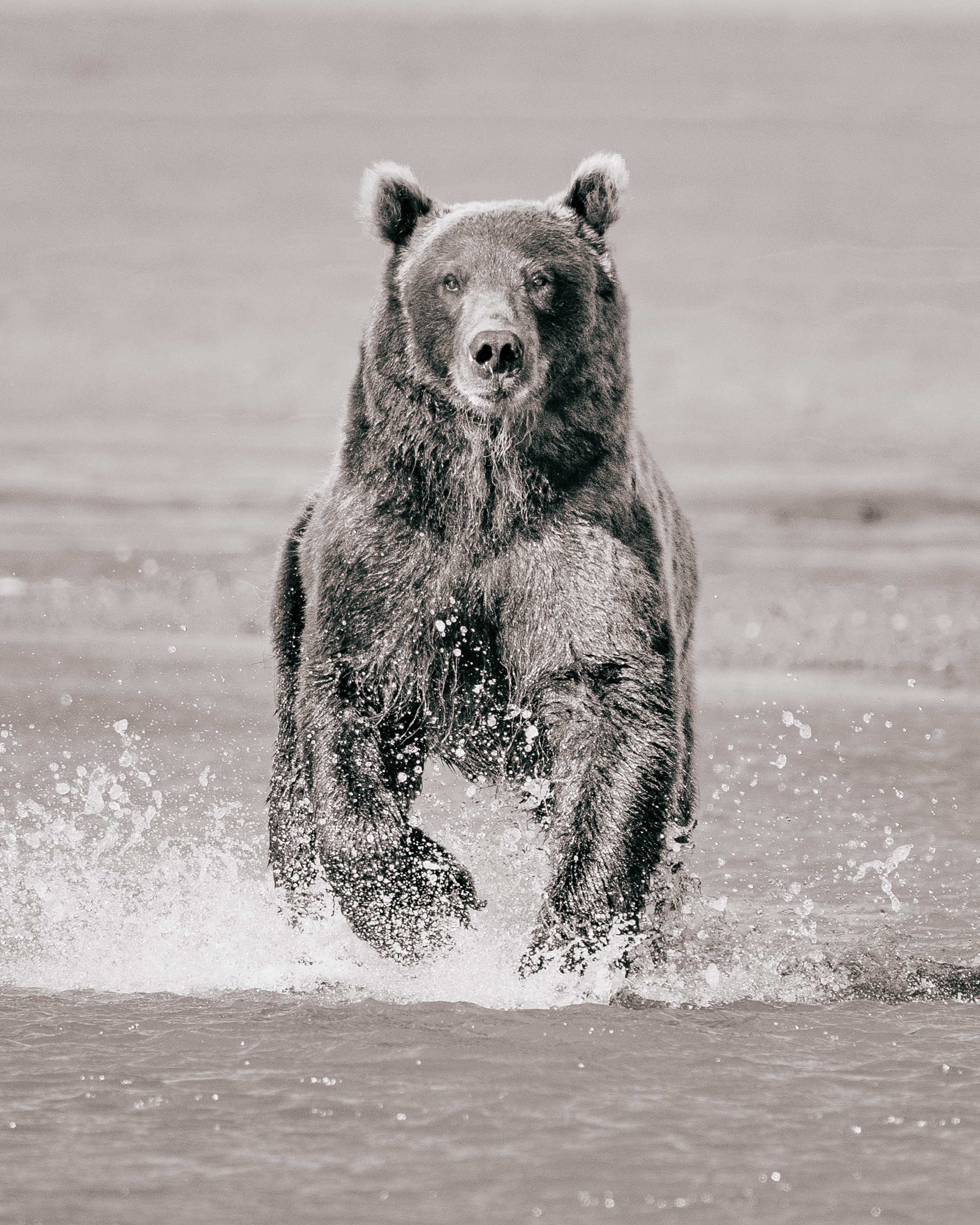
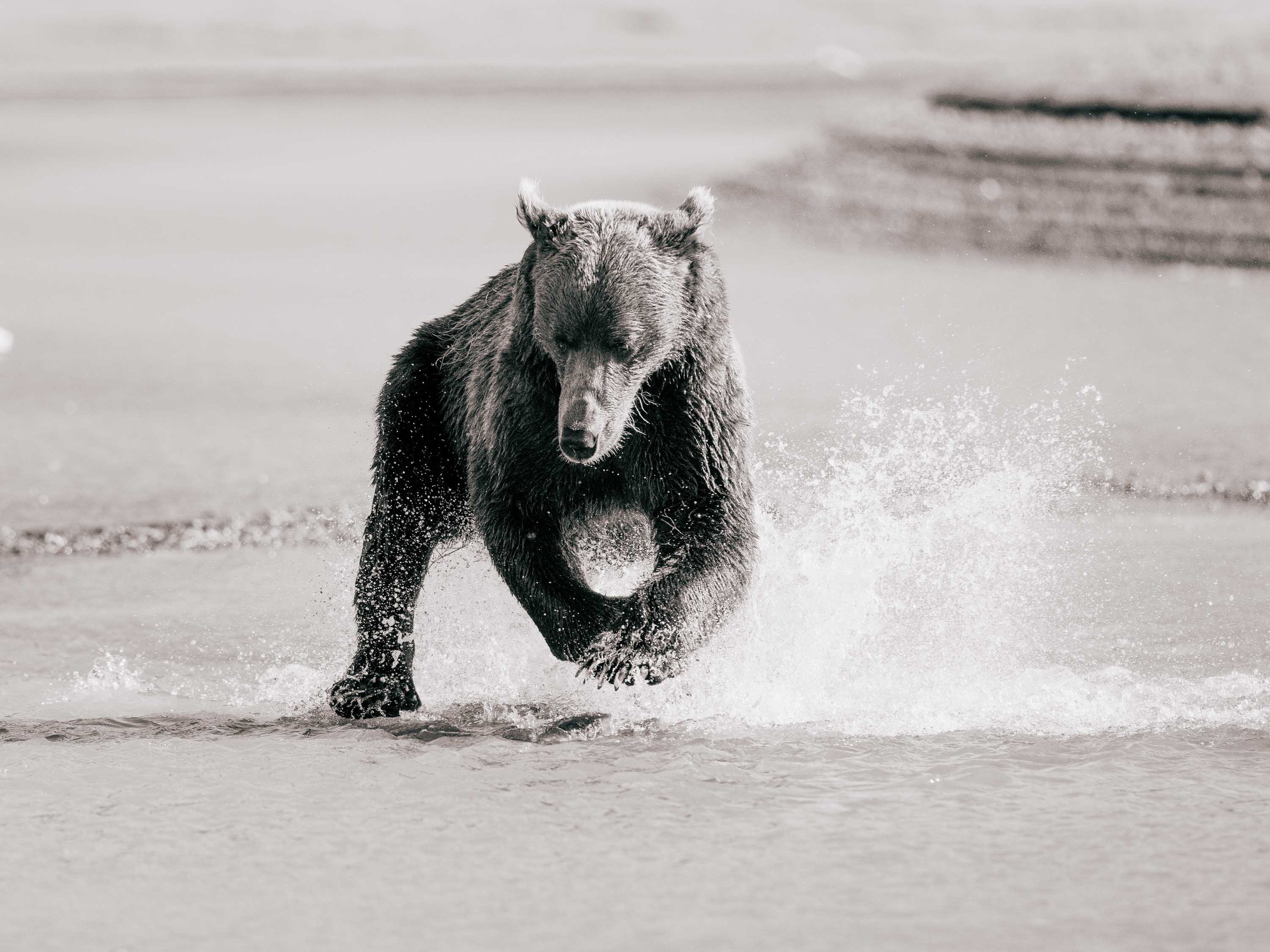
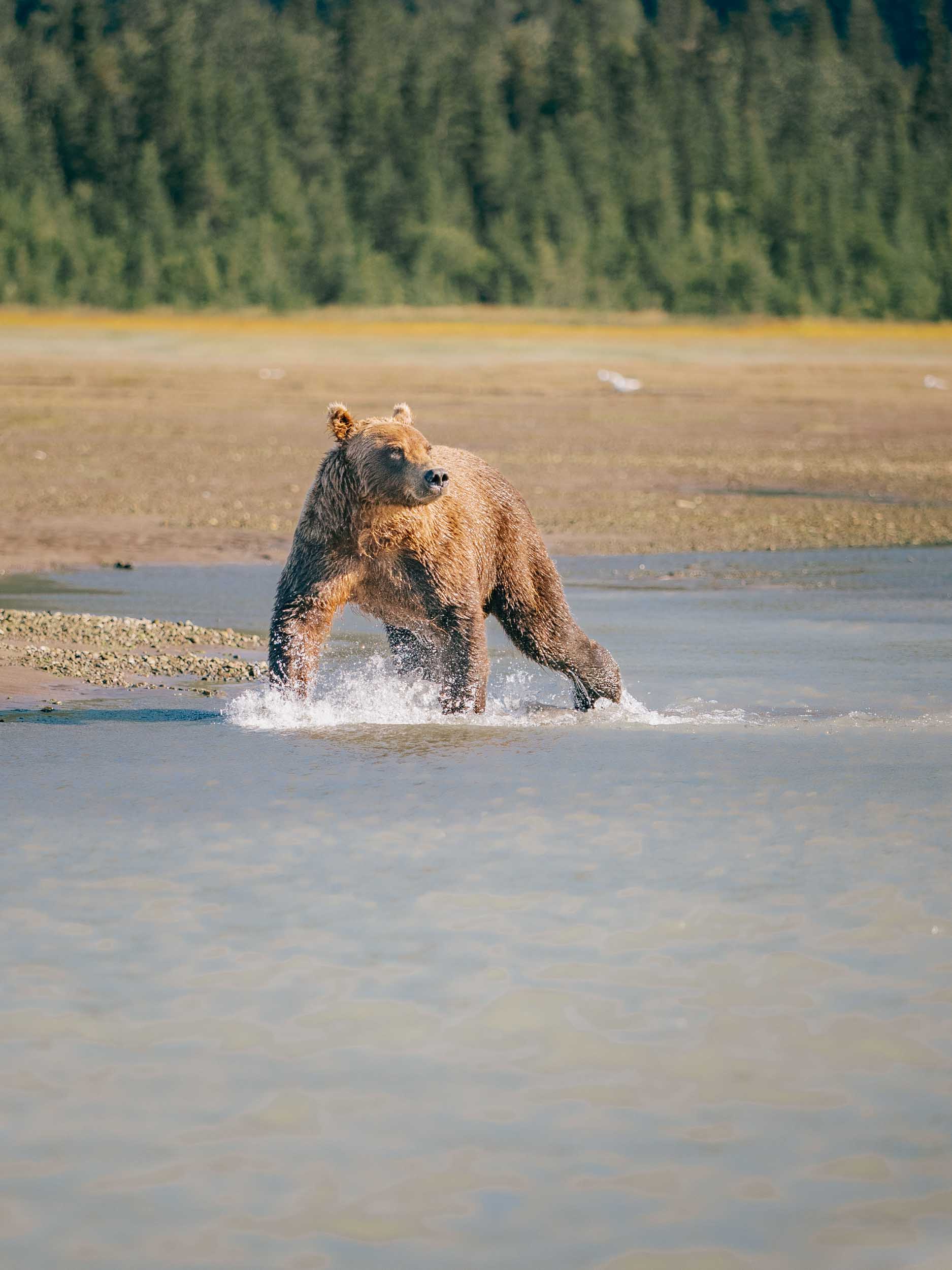
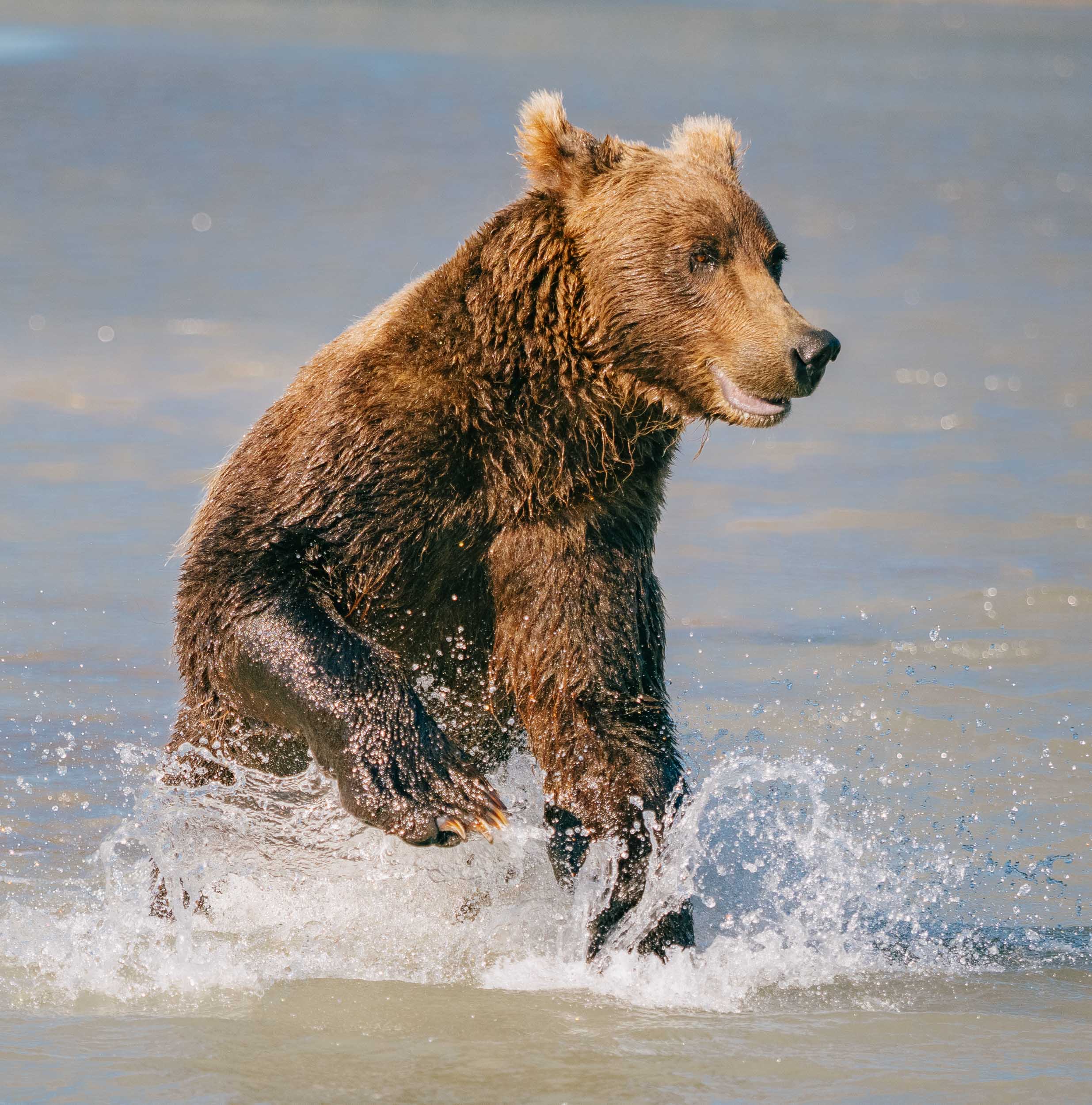
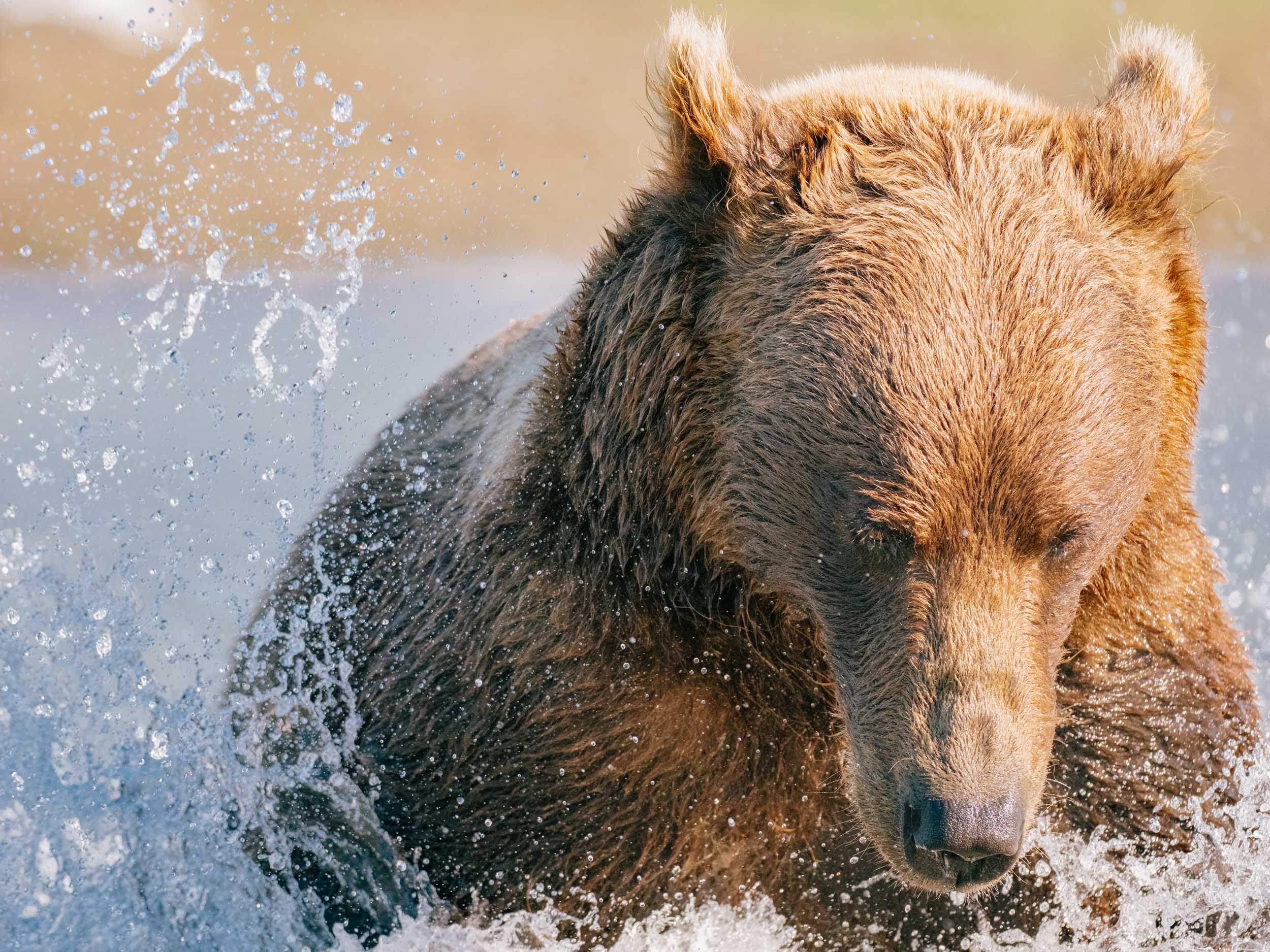
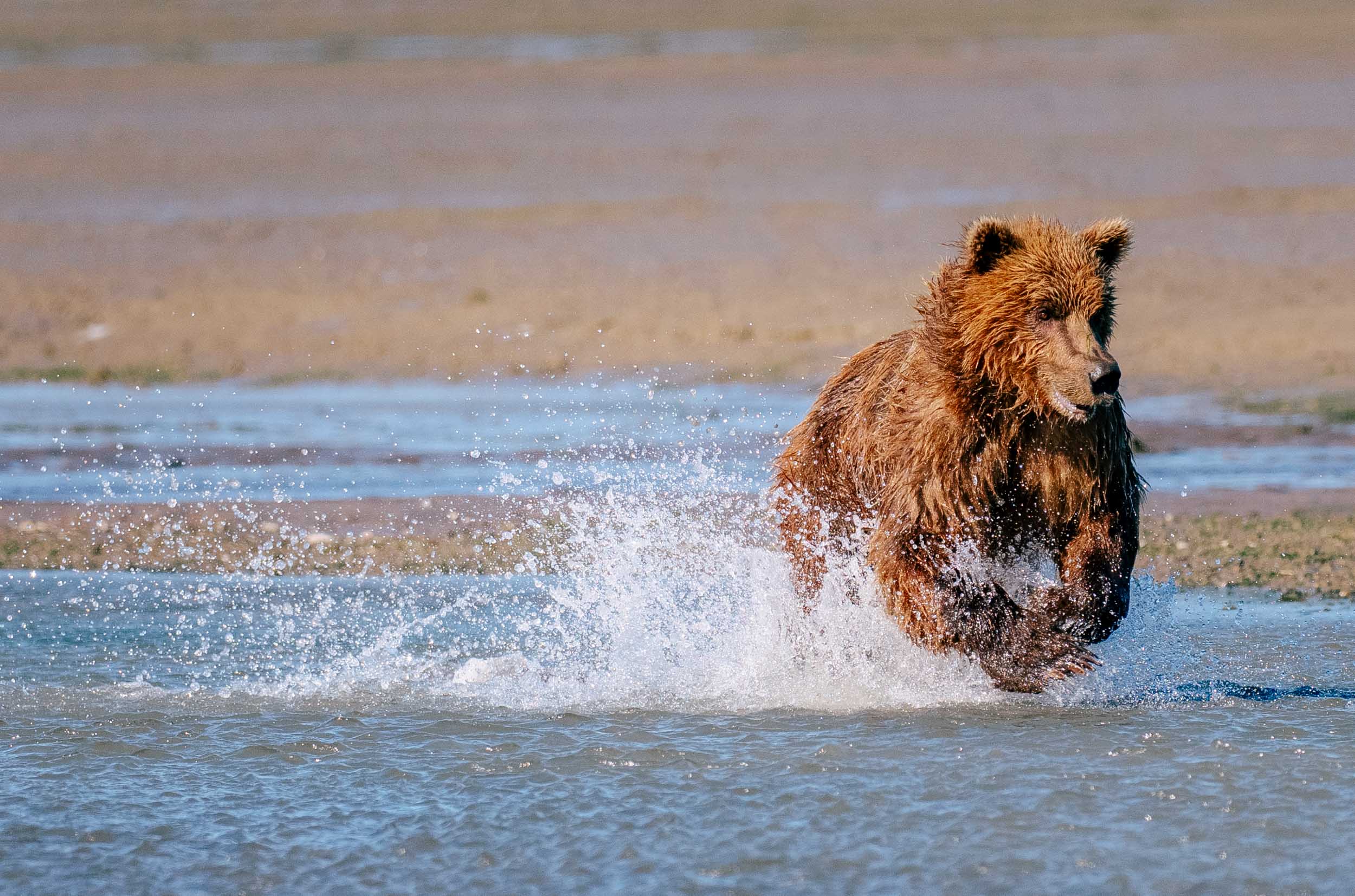
There wasn’t much waiting after that. As soon as the larger bear decided the other two youngsters weren’t going to threaten her space, she started to hunt salmon. The strategy was thrilling: to splash in the shallow water, scare salmon into jutting away, then scoop one up with massive claws and clamp down with sharp teeth in an instant. To make as big a splash as possible, she did something between a canter and fox-like pounces up and down long stretches of water. The fish were so plentiful that she would catch one, casually take a bite or two, and toss the still-flailing fish back into the water in pursuit of another.


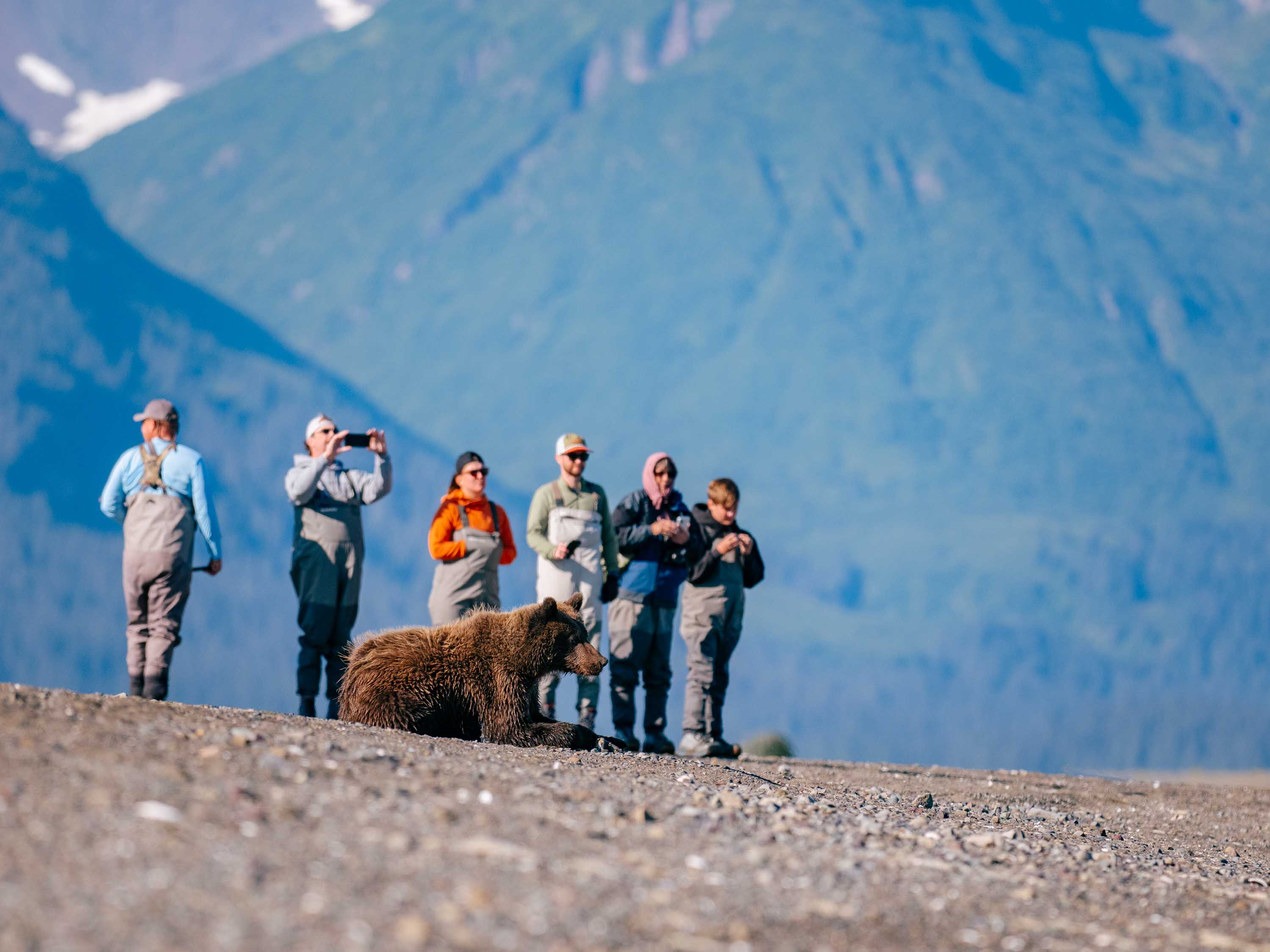
This happened over and over again, until she decided to move to the part of the river that was right below us. She’d been incredibly close to other groups of people that were ahead of us on the bank, but then, she took off in a dead run toward us, on the same side of the water that we were hunkered down on. I couldn’t take my eyes off her as she loomed closer, and I felt that I’d read so many times: that it’s hard to comprehend how quickly these giants can move when their strides are so huge that they feel effortless.
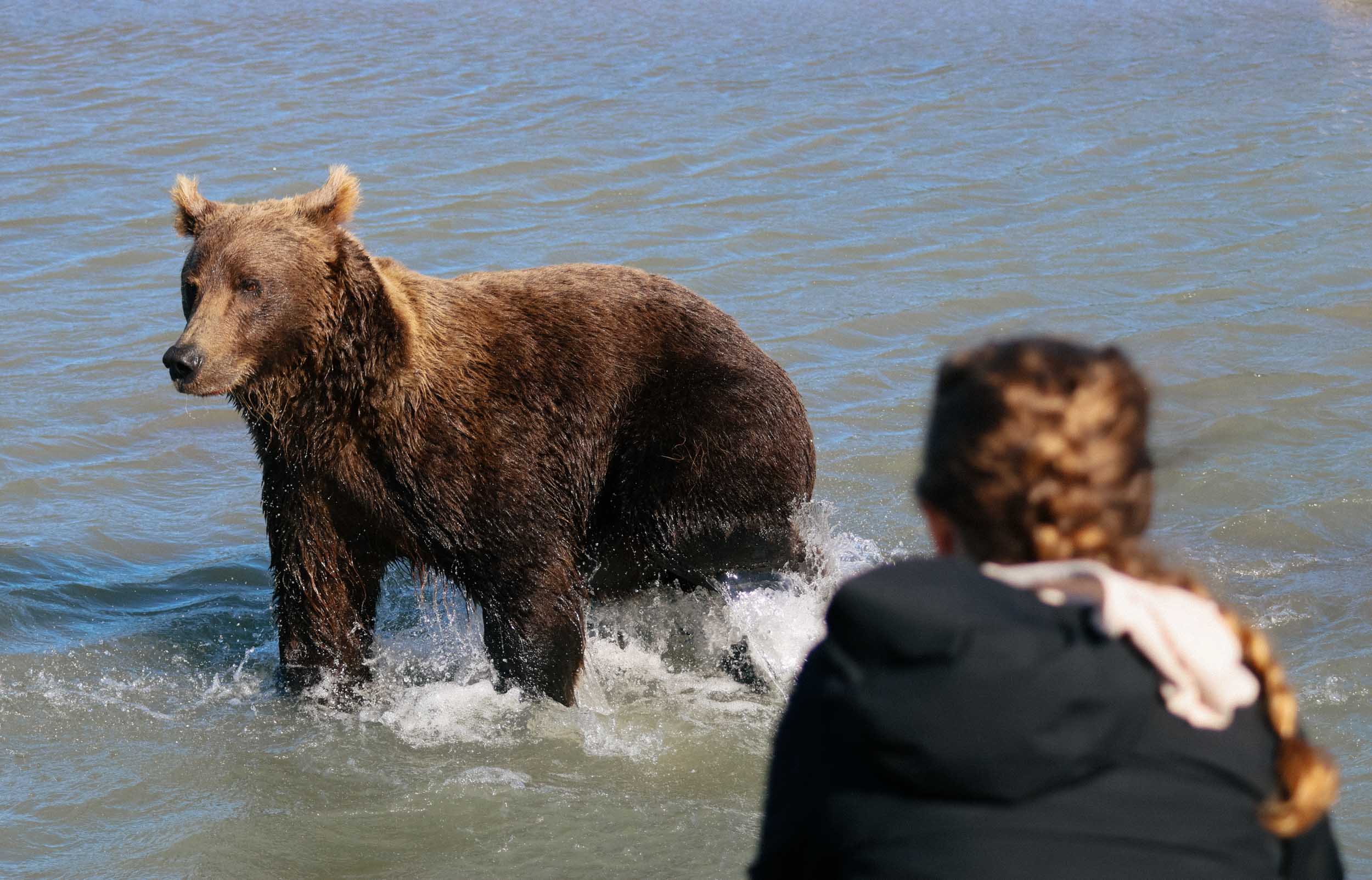
I felt one of our pilots tense behind me, and with the rest of the group above us, he whispered to me to stay still and calm. I held my breath, but it happened fast, and she paid us no mind as she passed just a few feet away and turned again into the water to resume hunting. She was still close enough that our group didn’t have that collective exhaling and “wow” exclamation…the spectacle was still intensely unfolding right in front of us.

A massive presence.
We stayed still and watched her hunt for another hour. Again and again, she worked through the water, passing us more than a dozen times, but always staying close. Our crew relaxed bit by bit into small conversations and a couple selfies with the bear in the background. But at one point, while passing, she stopped and looked our way for a few seconds. Her salty, bloodshot eyes burned a lasting memory in my mind before she continued, and my focus sharpened again.
She was done with her morning feast and wandering somewhere for a nap as we finally started back to our plane. We rose away from the scene, and as Homer loomed into view, our astounding encounter faded away across the water.




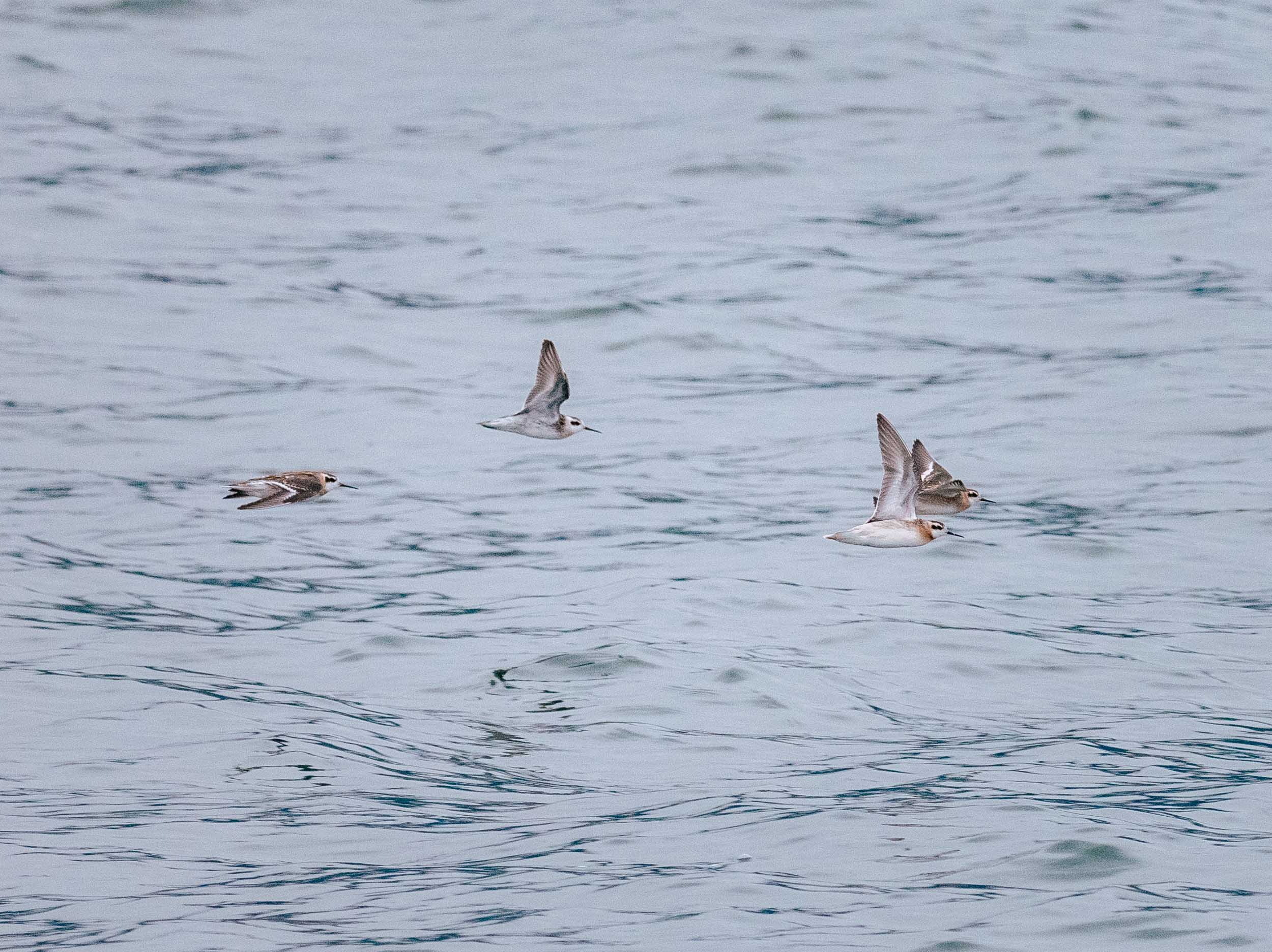
The journey to and from the brown bear spectacle further made it feel like a standalone experience on our tour, and the next day, we were back at it with the birds. As we started north toward Anchorage, we made several stops, eventually hitting a shorebird jackpot with lots of small, active groups of plovers, Whimbrel, Black Turnstones, and an array of peeps and Baird’s sandpipers.
Lasting Impressions: Returning to Anchorage
By dinnertime, we were back in the city at our last hotel for the trip. We ventured north on our final full day, taking an uber-pleasant hike in the Chugach Mountain foothills. A White-crowned Sparrow put us at 100 bird species for the tour, in addition to a dozen mammals.
Even though we’d had fantastic food throughout the whole tour, our last dinner together was the best meal of all, and we shared a lot of laughs and reminiscing while we put off thoughts of our flights home the next day.
I’ve never experienced time flying the way it did, or quite the same feeling of leaving too soon. Of all the group goodbyes I’ve had as tours end, this was maybe the hardest to date — our time together was simply that exceptional. My dreams were fulfilled…there’s really no place like Alaska, and sharing the experience with others made it all the better.

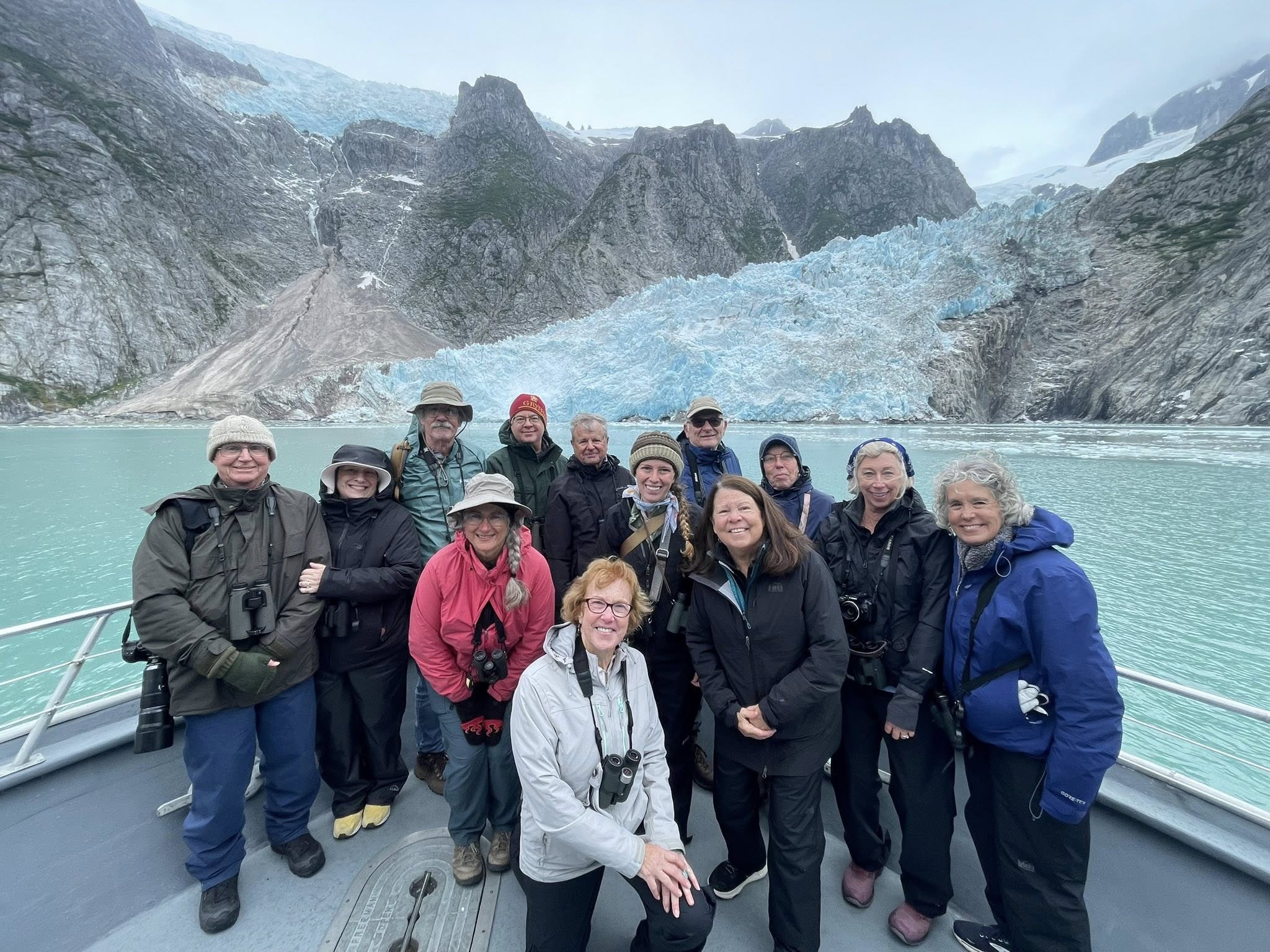
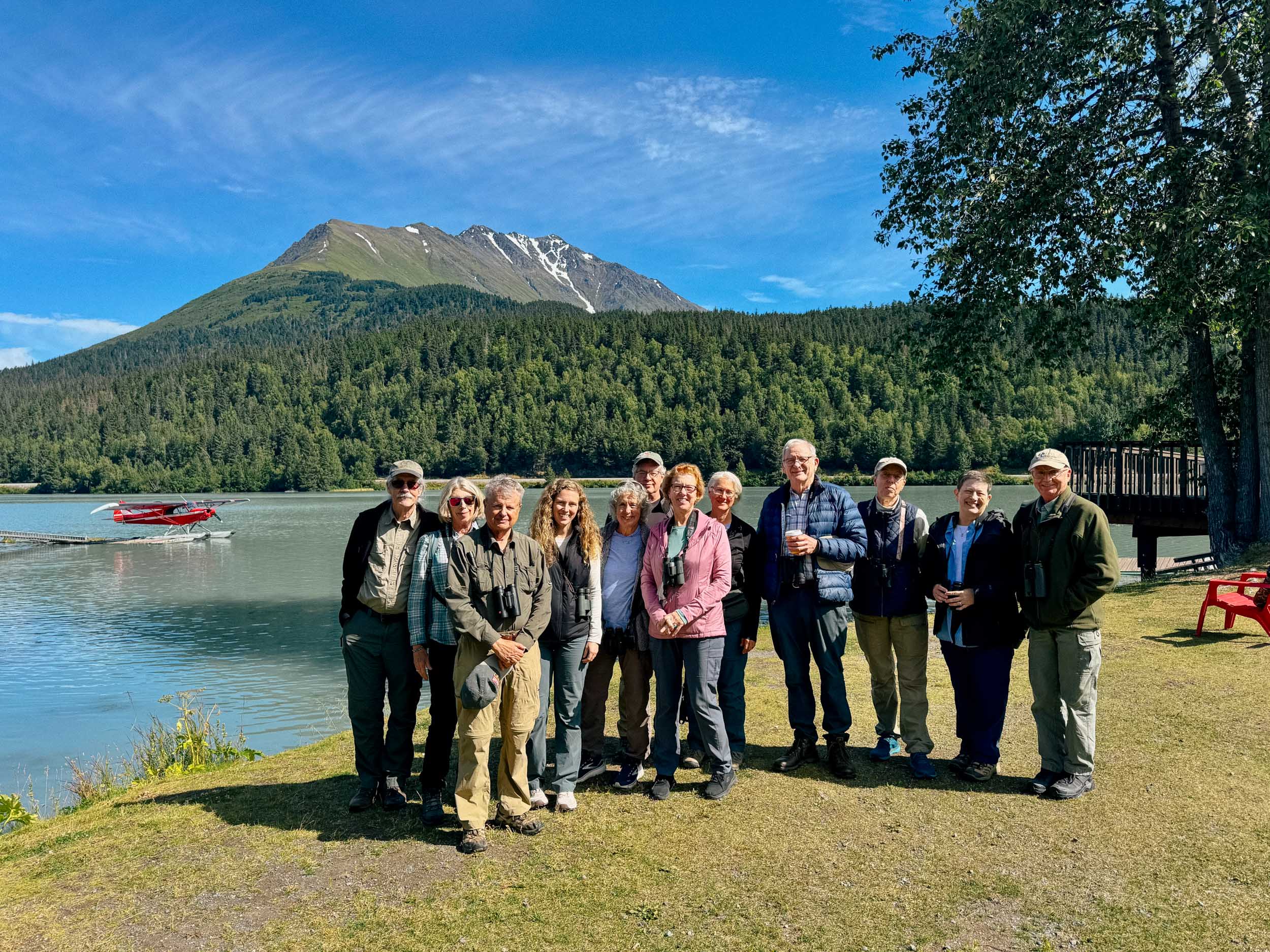
(From the left) Chris, Stacy, Michael, Christine, Roger, Greg, Betty, Nick, Beth, Nel, Lora, and Diane…it was an utter joy to experience this trip with all of you!
Future Tours
I am beyond thrilled to be returning to Alaska next August for the same itinerary with my friend Bryan Calk as my co-lead: Alaskan Sampler with Naturalist Journeys. It’s a trip for everyone who loves nature.
And for those who like even more adventure (and many more birds!), George Armistead and I are co-leading Hillstar Nature’s inaugural Alaska Cruise: Aleutian Birds & Brown Bears tour in June 2027. This route incorporates many of these same places and more on a luxury, 18-room cruise ship over 11 days, visiting Kenai Fjords and Katmai National Park as we adventure along the Aleutian Islands en route to Dutch Harbor.