What It's Like to Bird Northern Minnesota in Winter
I’m home from back-to-back tours in a Minnesotan wonderland. I’m totally enamored with this region, and exploring it in the frigid winter is such a fantastic, novel experience…and a rite of passage of sorts in birding culture.
And, yes, one might question why anyone would want to venture so far north in such a difficult season. To accompany traditional trip reports for these Naturalist Journeys tours (coming soon!), here’s more about what this experience is like through answers to common questions about it.
Jump to question
Why go birding in Minnesota in the dead of winter?
Well, for the birds! And the experience overall. Breaking it down to four parts:

1. The birds
This is a fantastic destination to see some of North America’s most elusive species on their wintering grounds. In many cases, this area is generally about as far south as you’d expect to see several boreal species, and in other cases, it’s simply a good area to see hard-to-find birds.
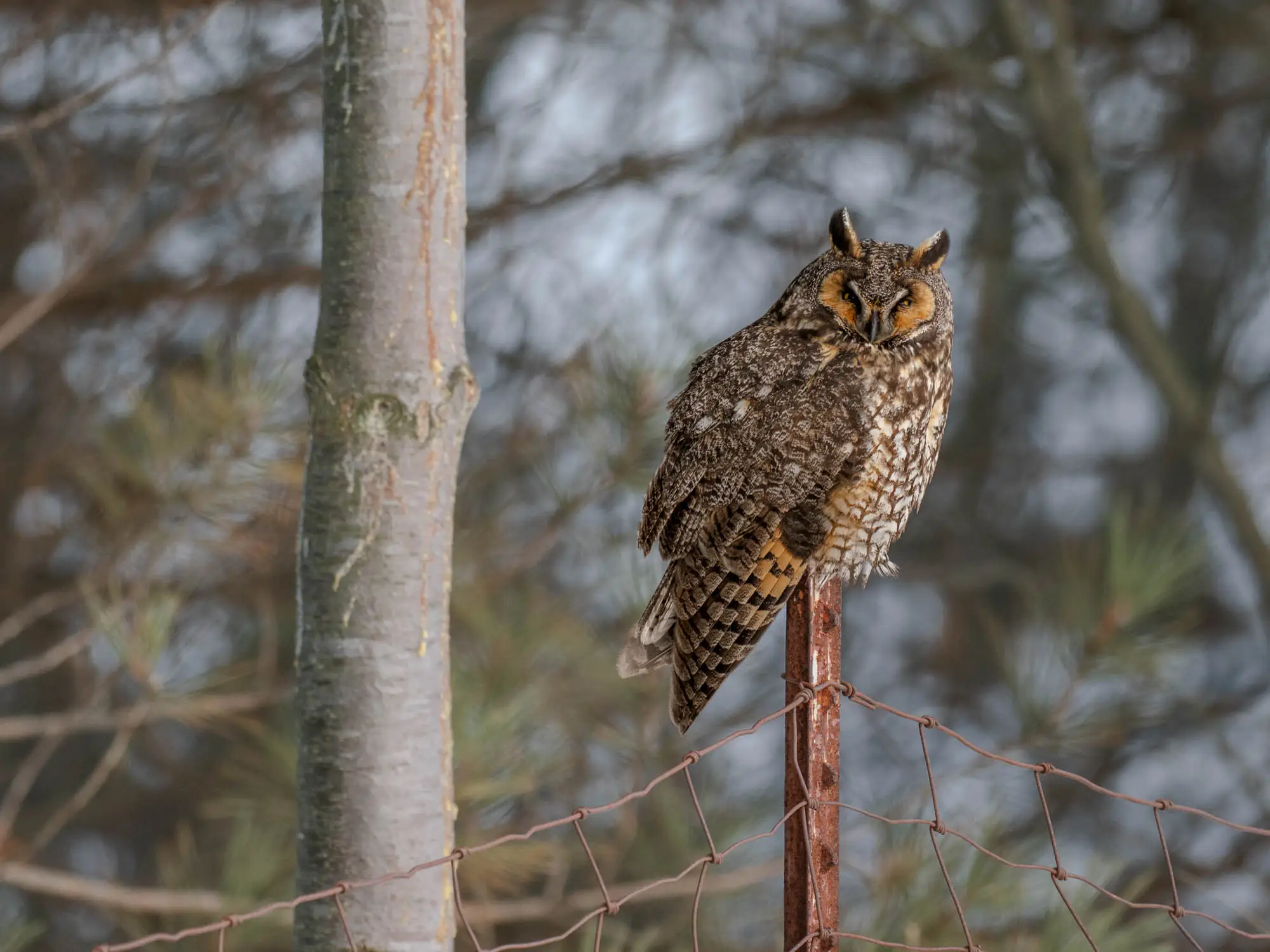
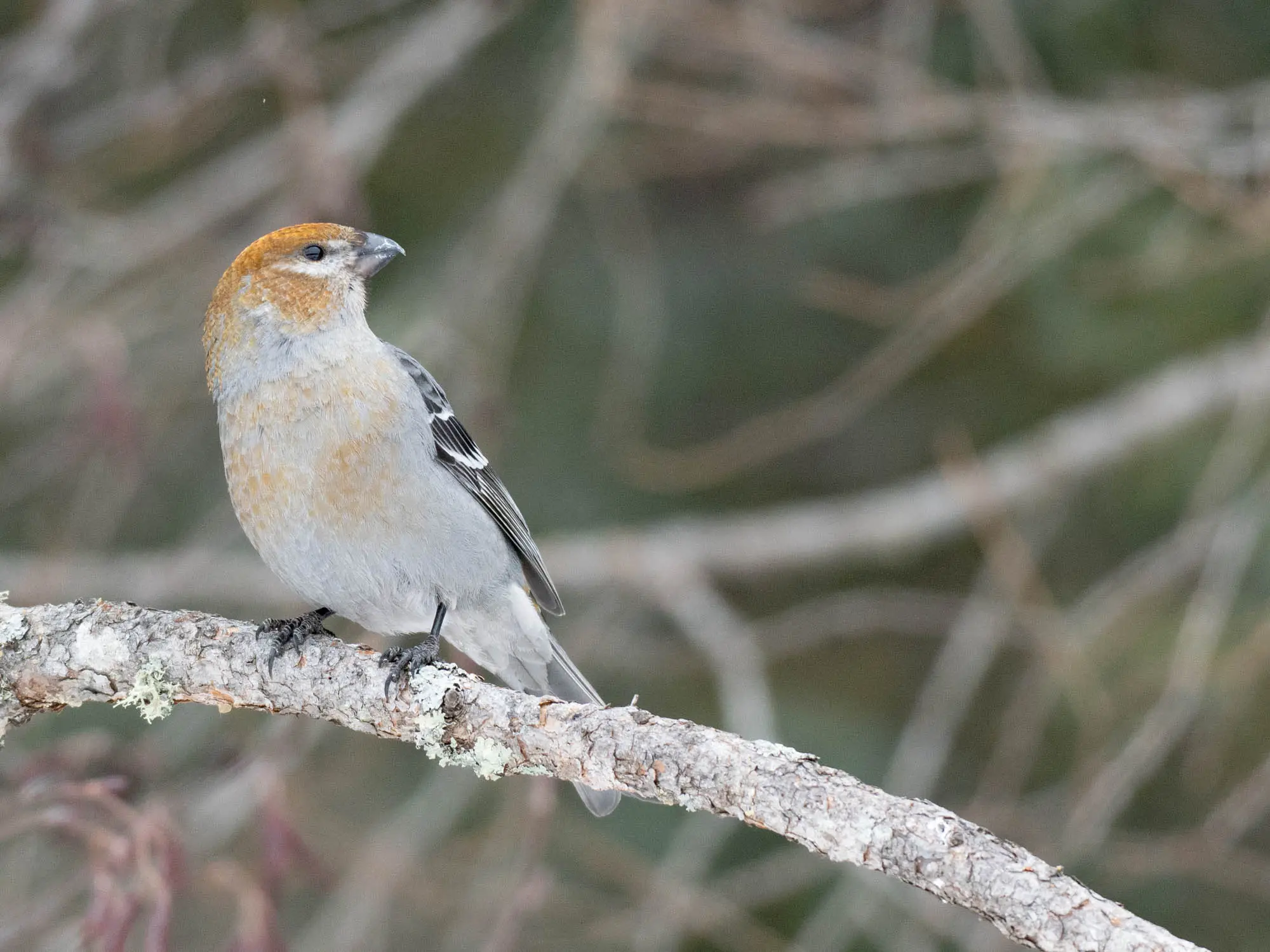
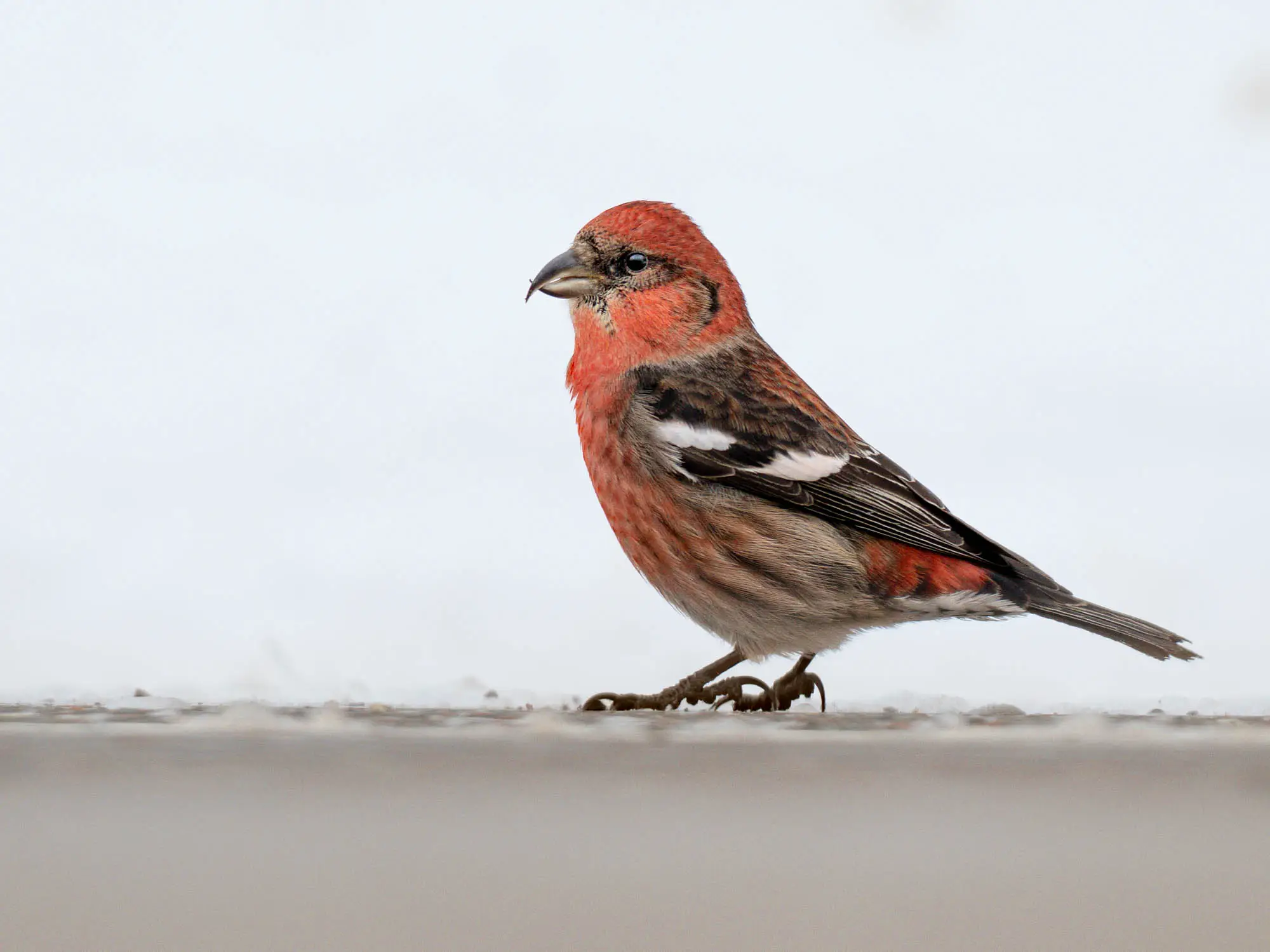
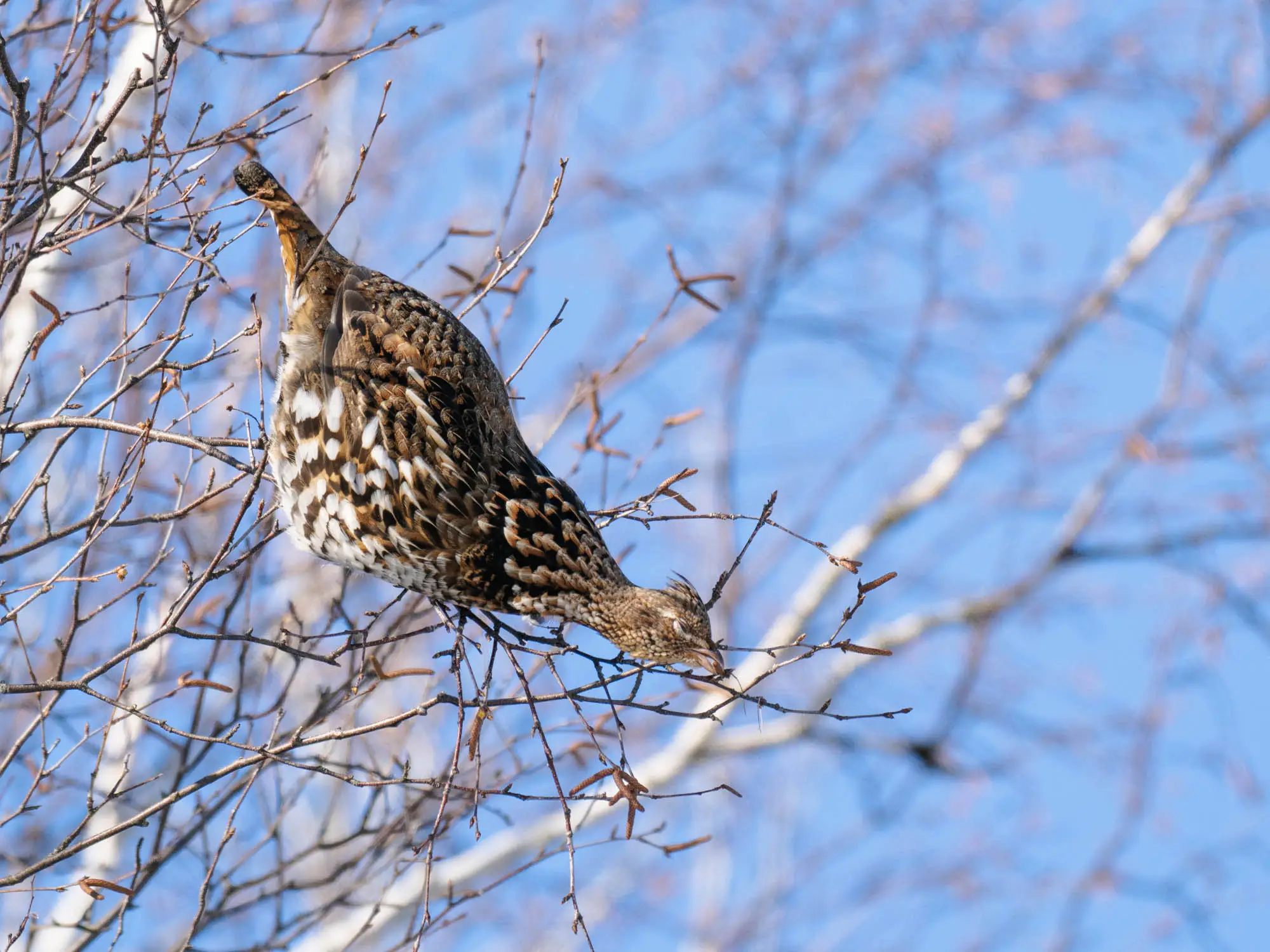
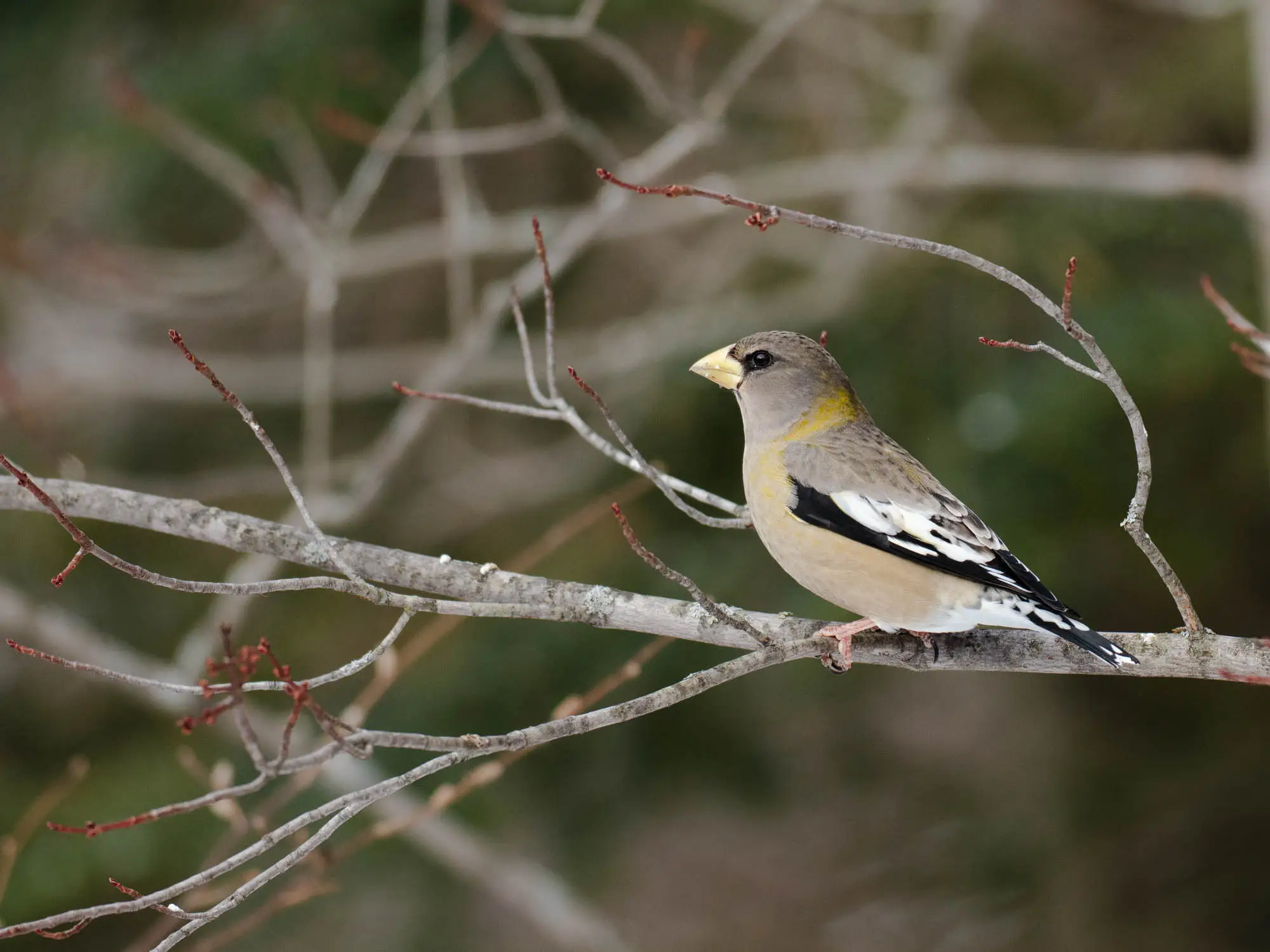
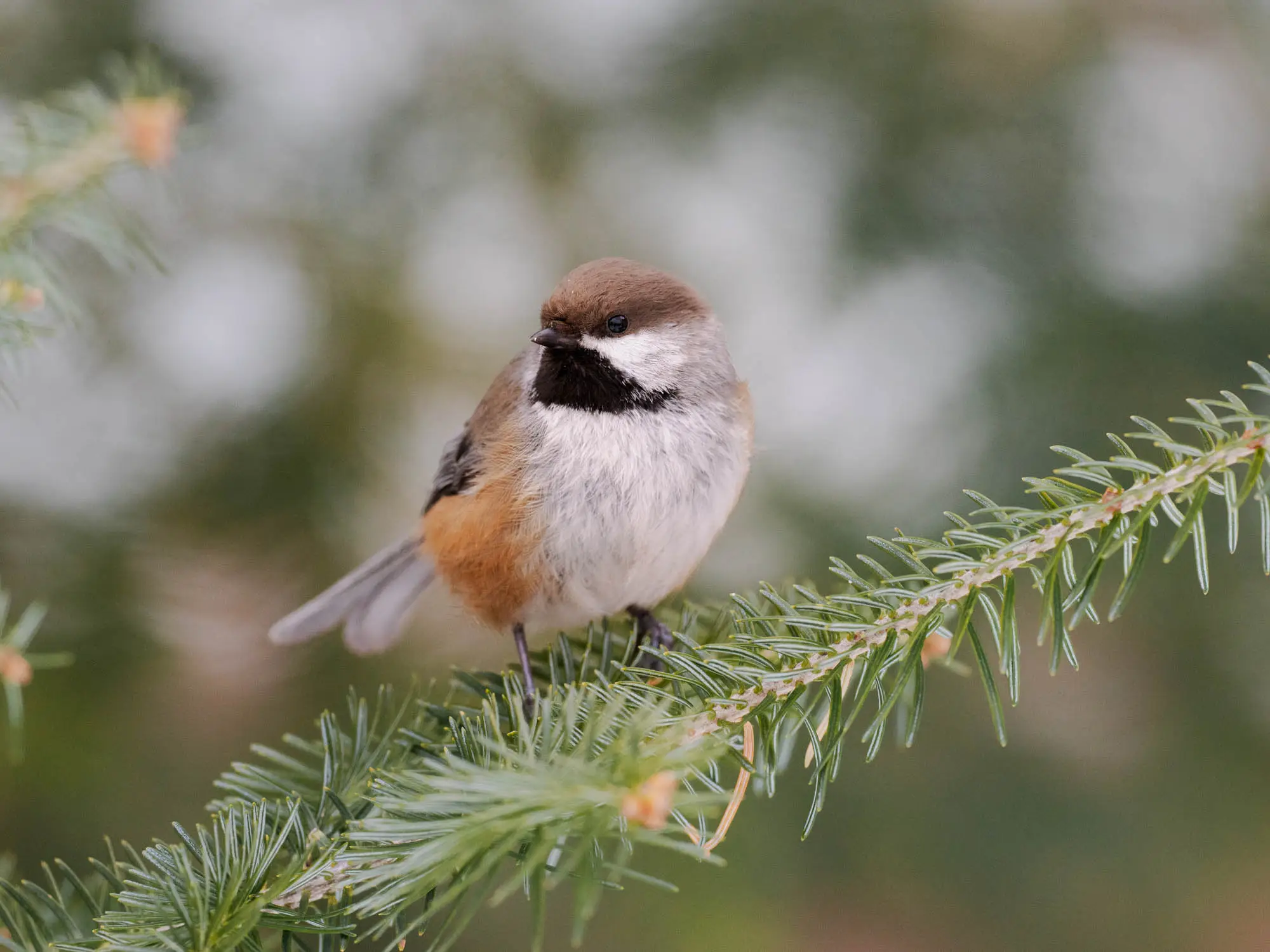
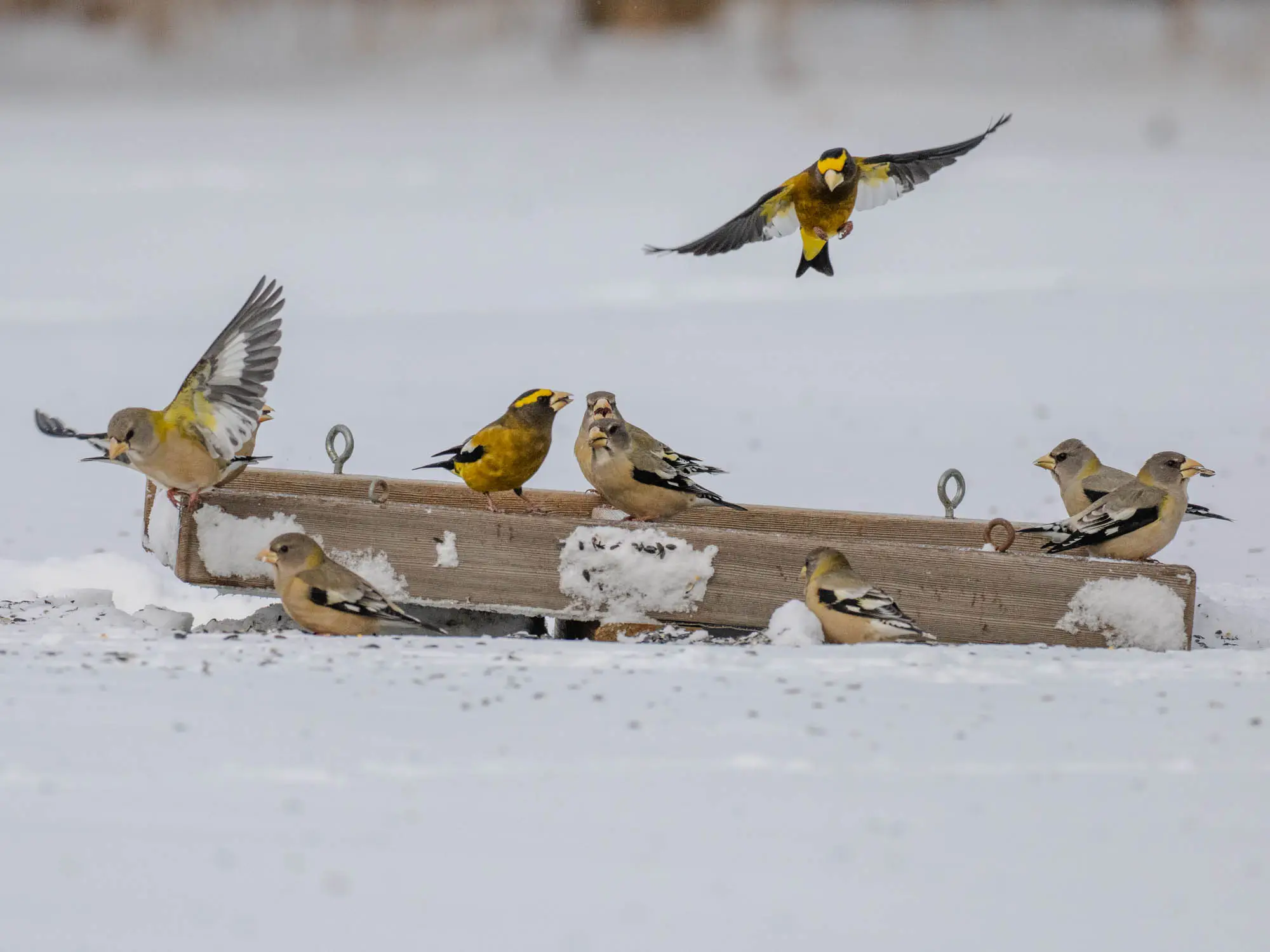
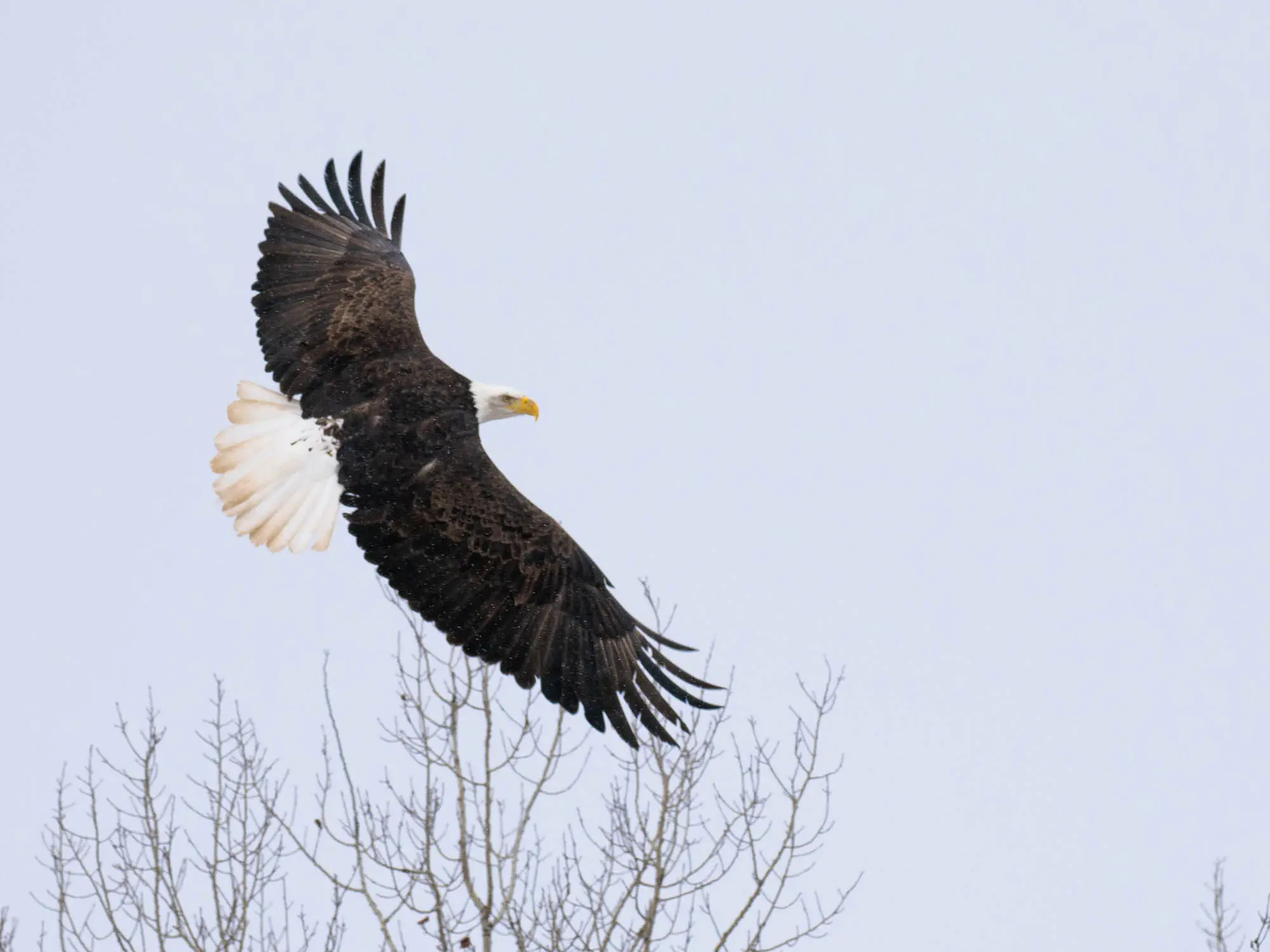
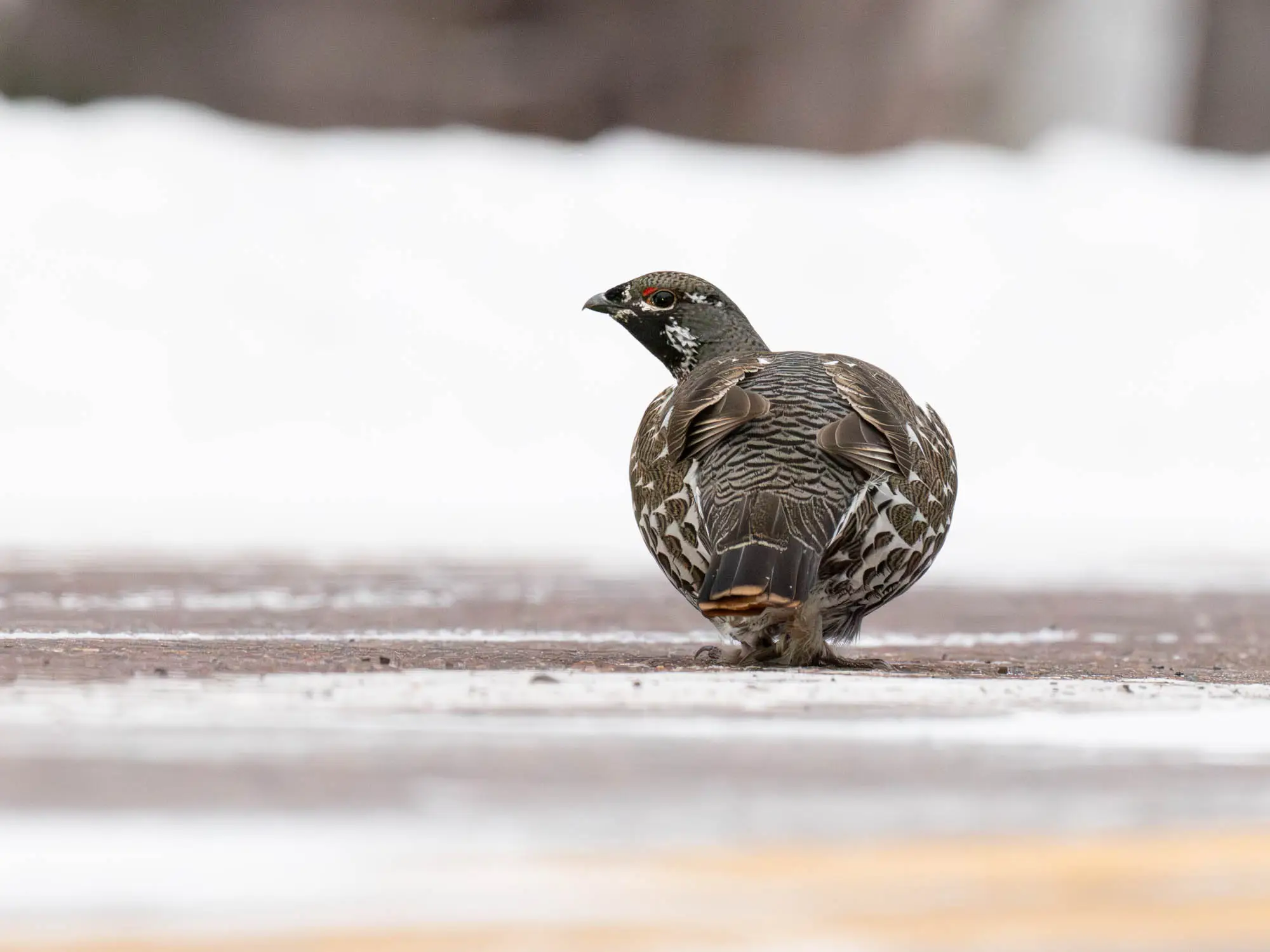
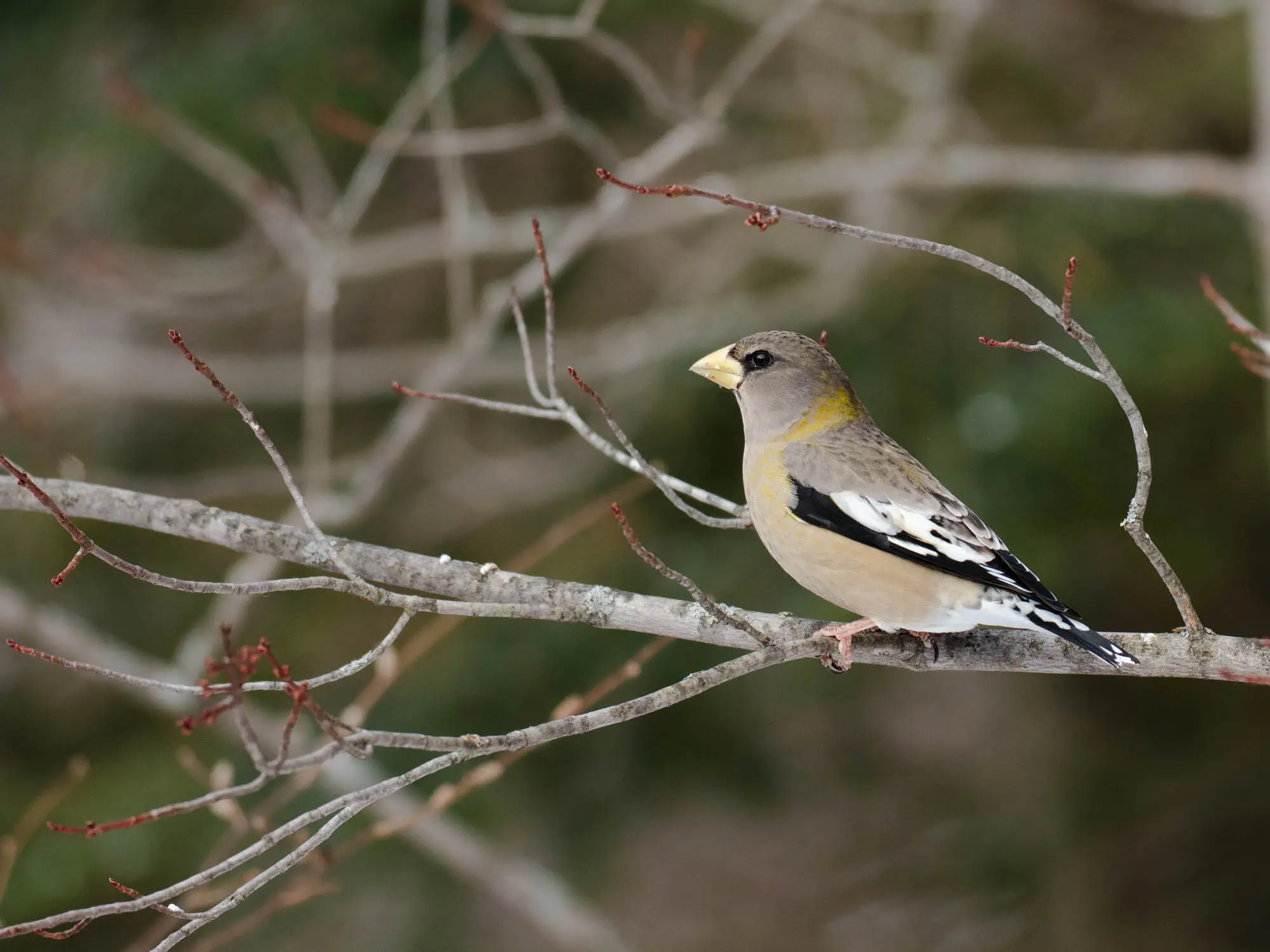
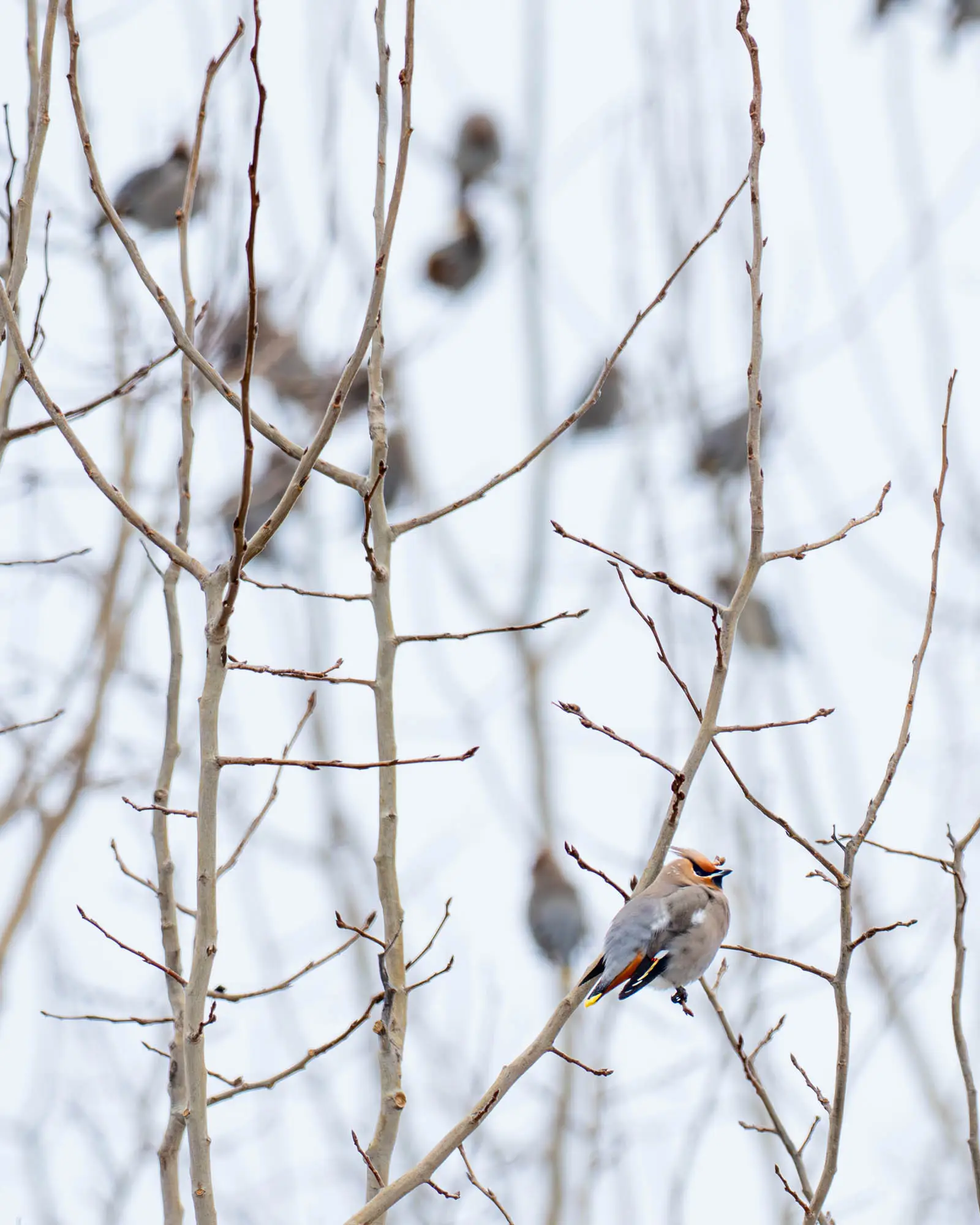
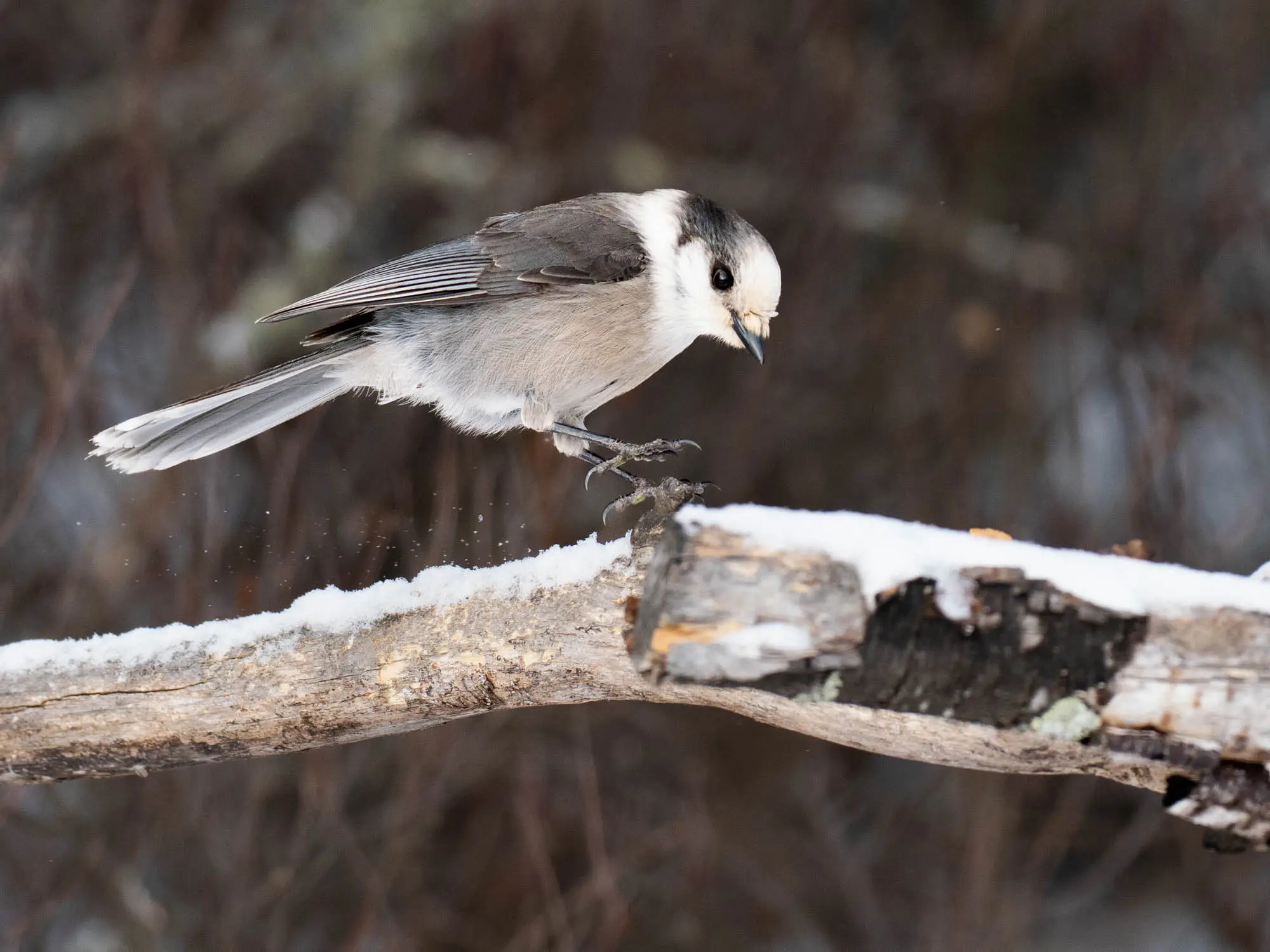
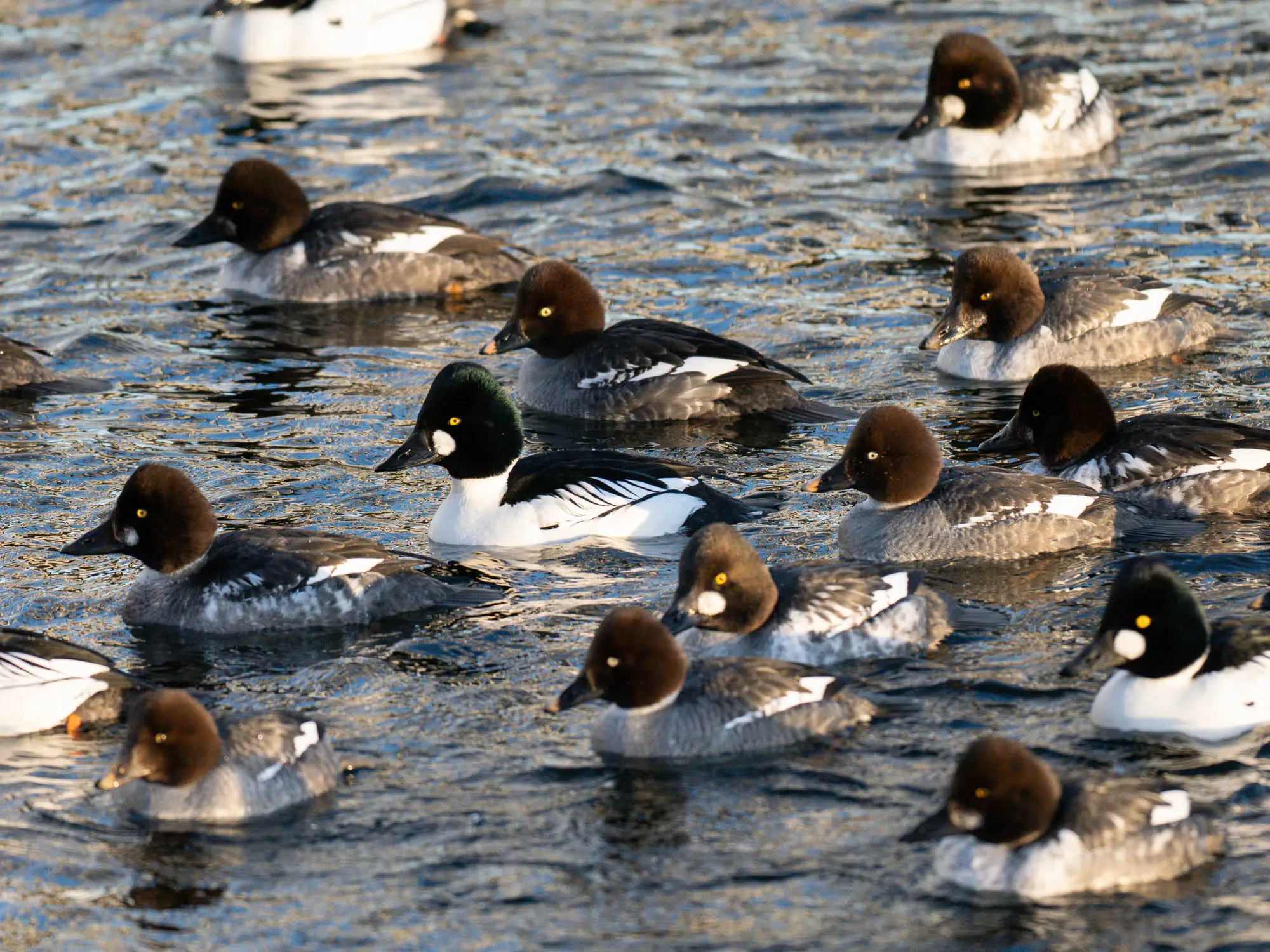
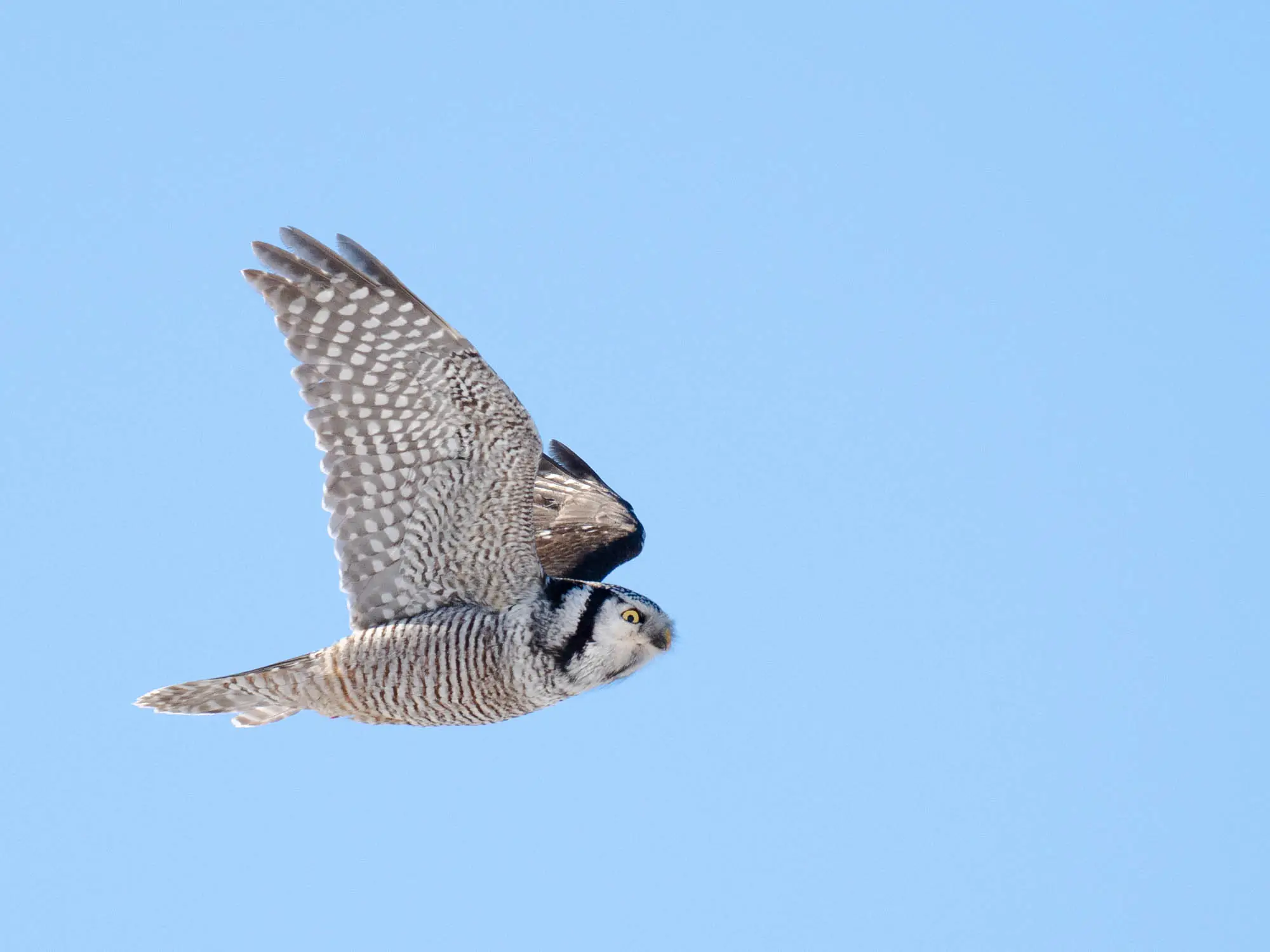
The total number of species you see is quite low, but it’s about the quality here: main targets vary from year to year (more on that below), but include Great Gray Owl, Boreal Owl, Northern Hawk-Owl, American Goshawk, Gyrfalcon, Northern Shrike, Pine and Evening Grosbeaks, White-winged and Red Crossbills, Redpoll, Spruce and Sharp-tailed Grouse, Canada Jay, Boreal Chickadee, and Bohemian Waxwing, plus several duck and gull opportunities, and decent chances for other oddballs.

2. The mammals
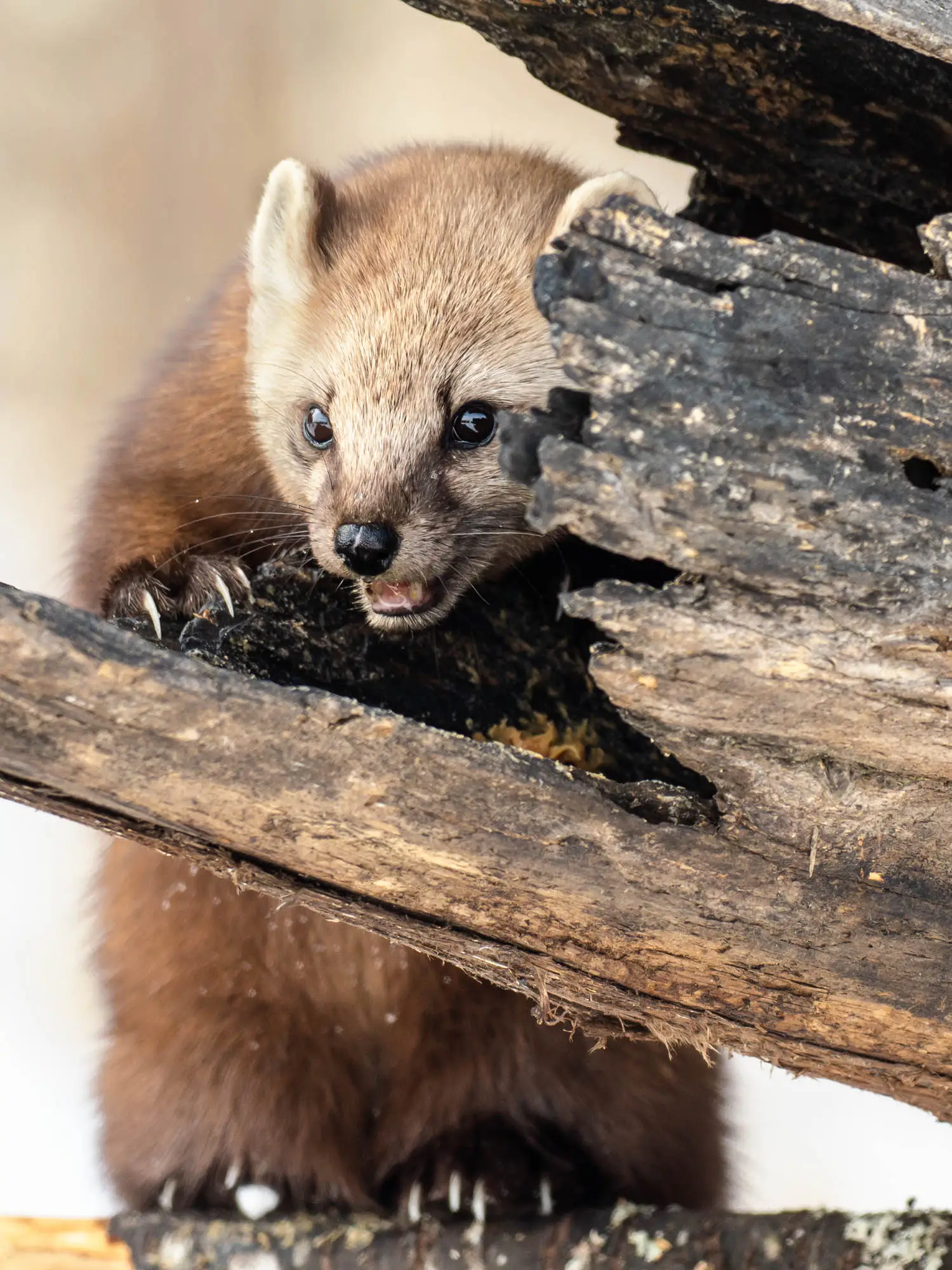
Beyond the birds, there’s a lot more that makes this experience unforgettable. First, the potential for mammals is also incredibly exciting. Possibilities include Snowshoe Hare, Moose, Gray Wolf, Beaver, Otter, Red and Gray Fox, Fisher, Pine (American) Marten, Mink, Ermine, Lynx, Bobcat, and Porcupine. Plus, I’d be remiss to not mention a few of the mammals that make predatory birdlife abound: Red-backed and Meadow Voles, a main food source for several raptors in winter.

3. Landscapes and Scenery
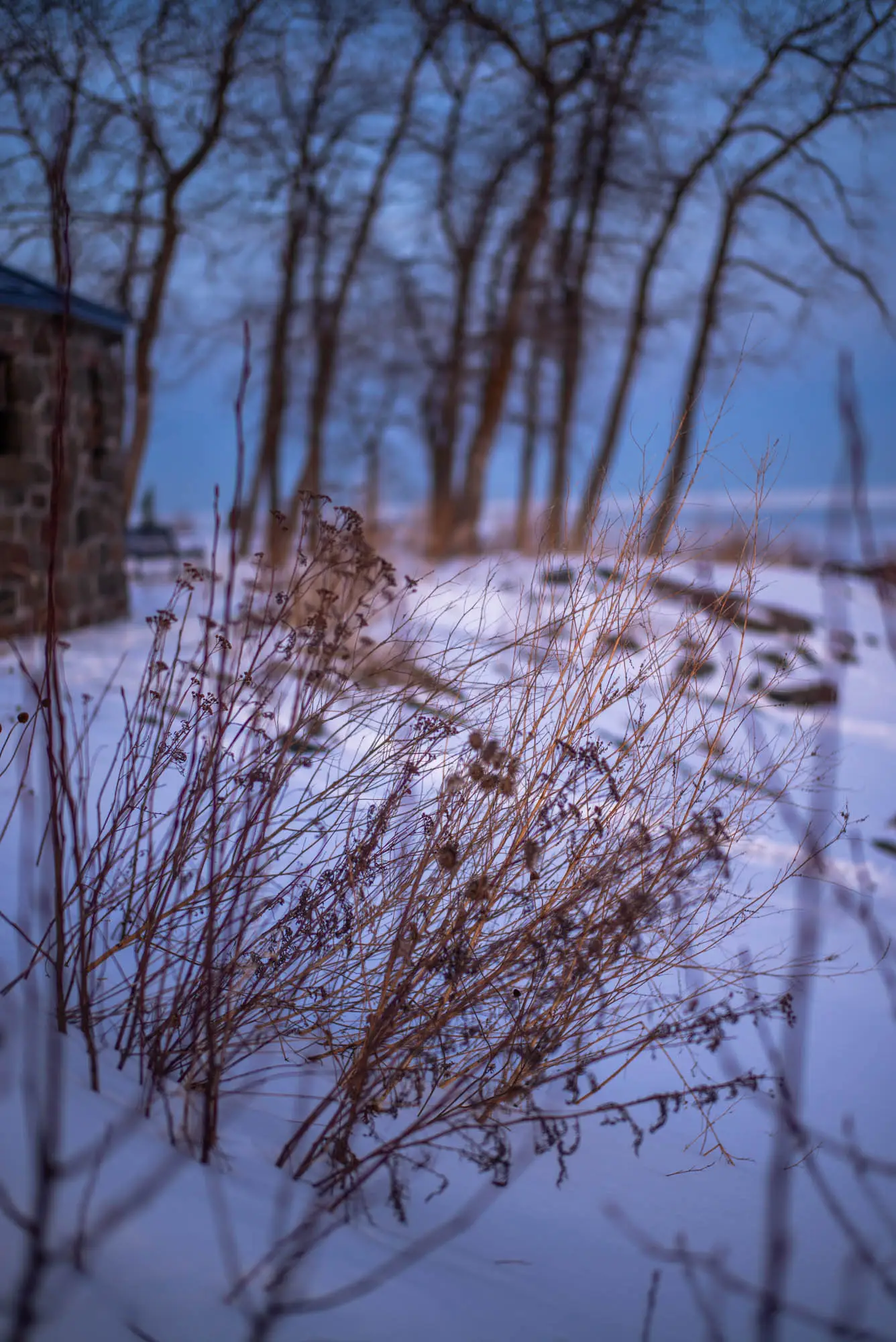
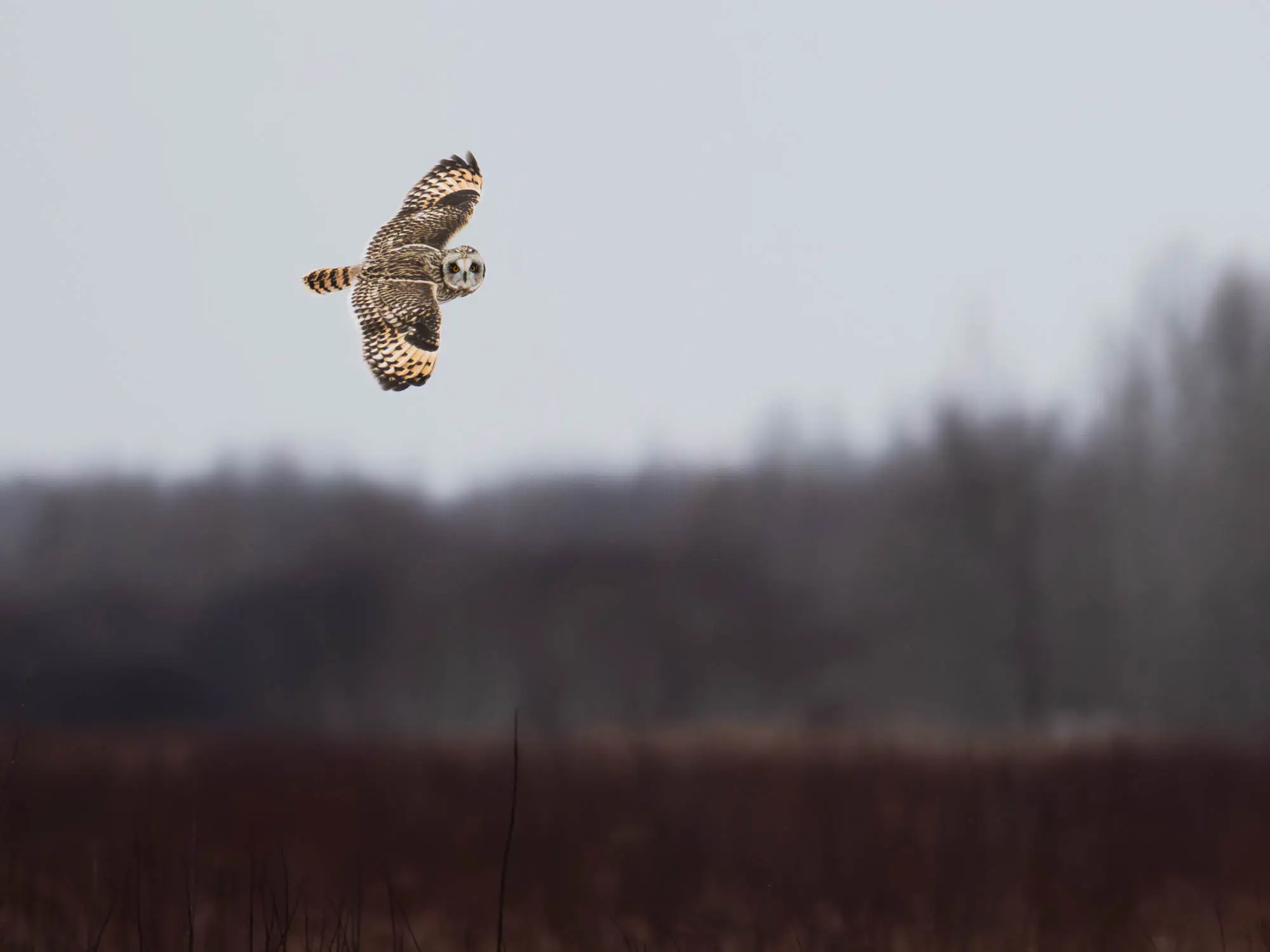
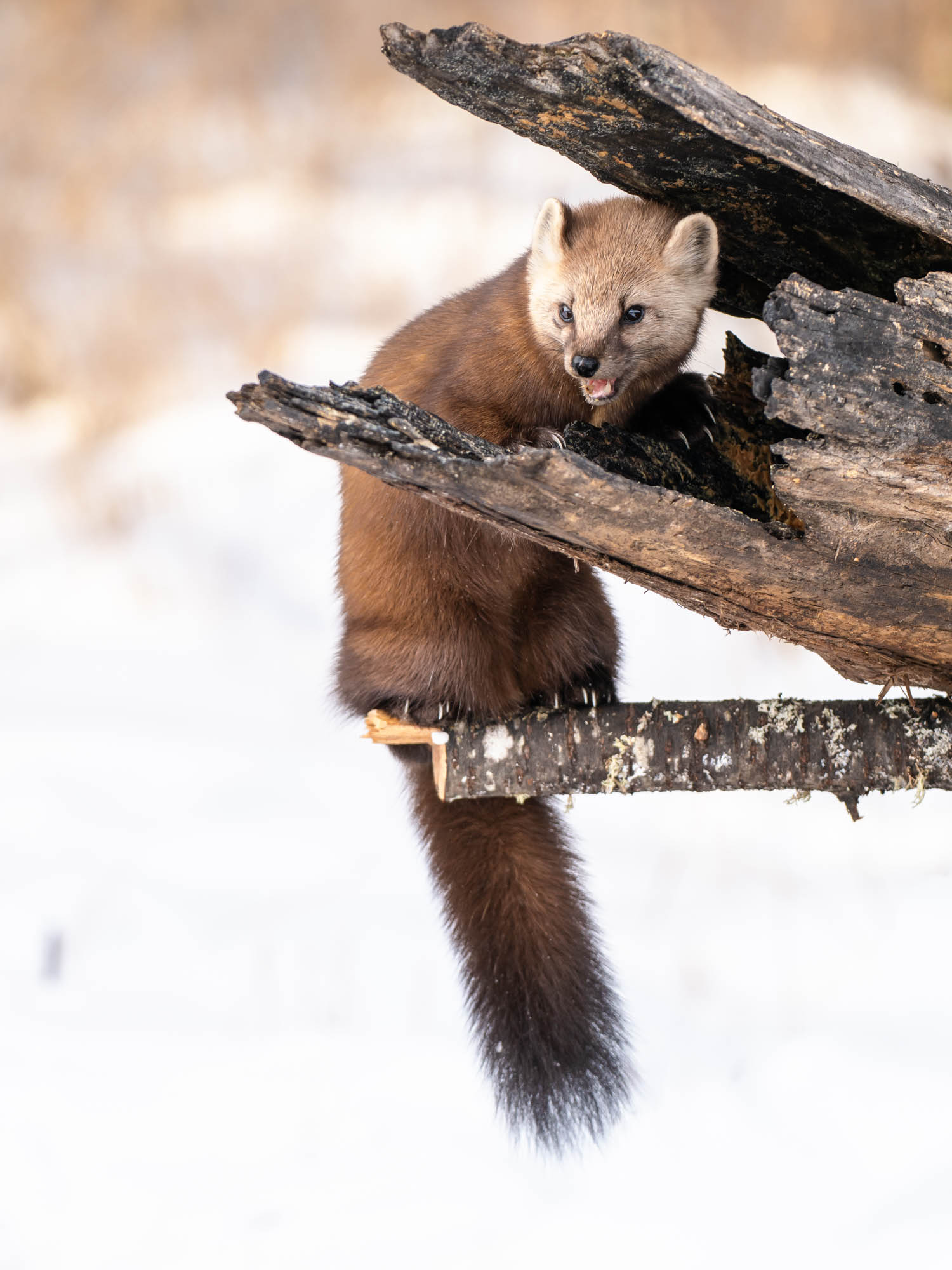
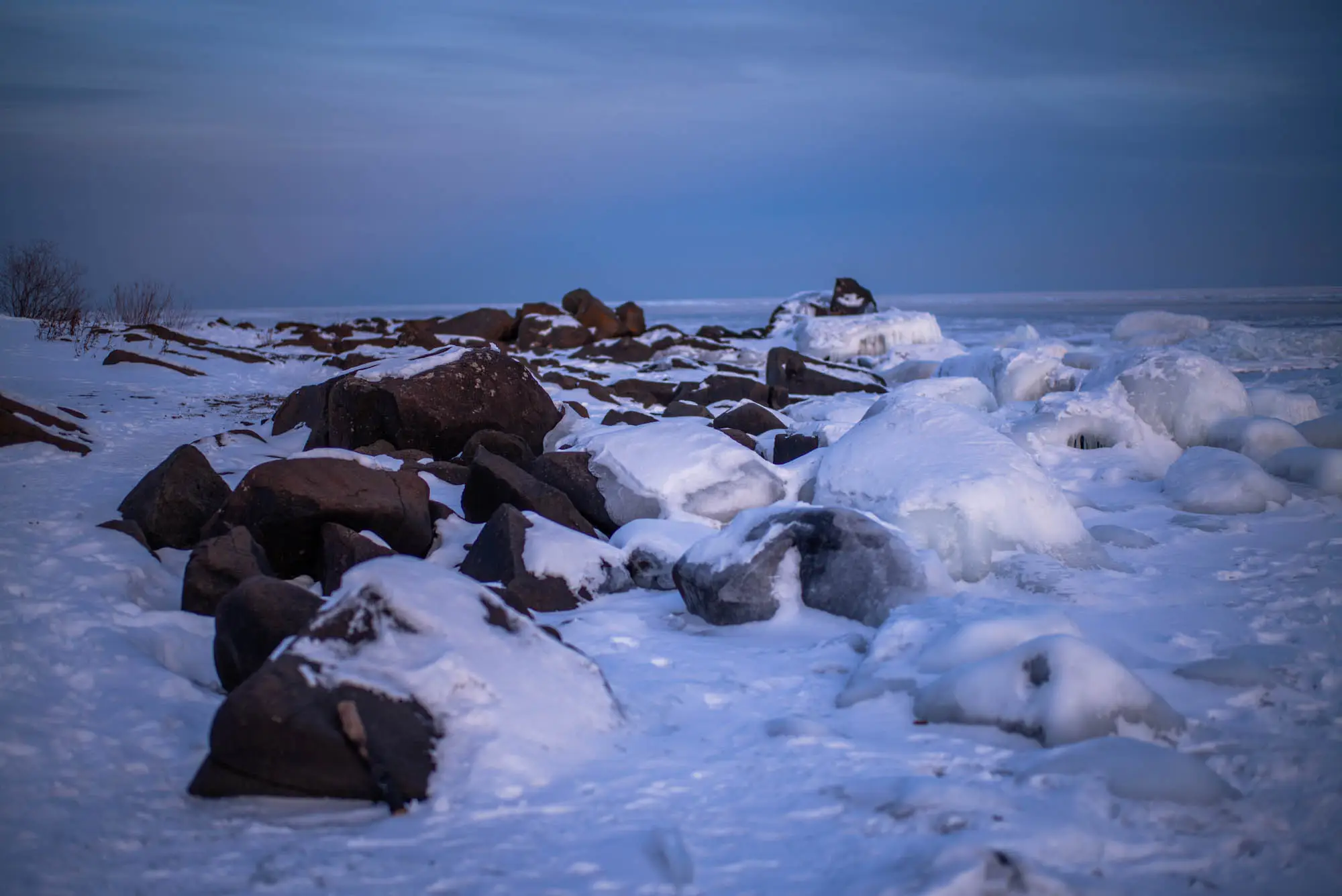
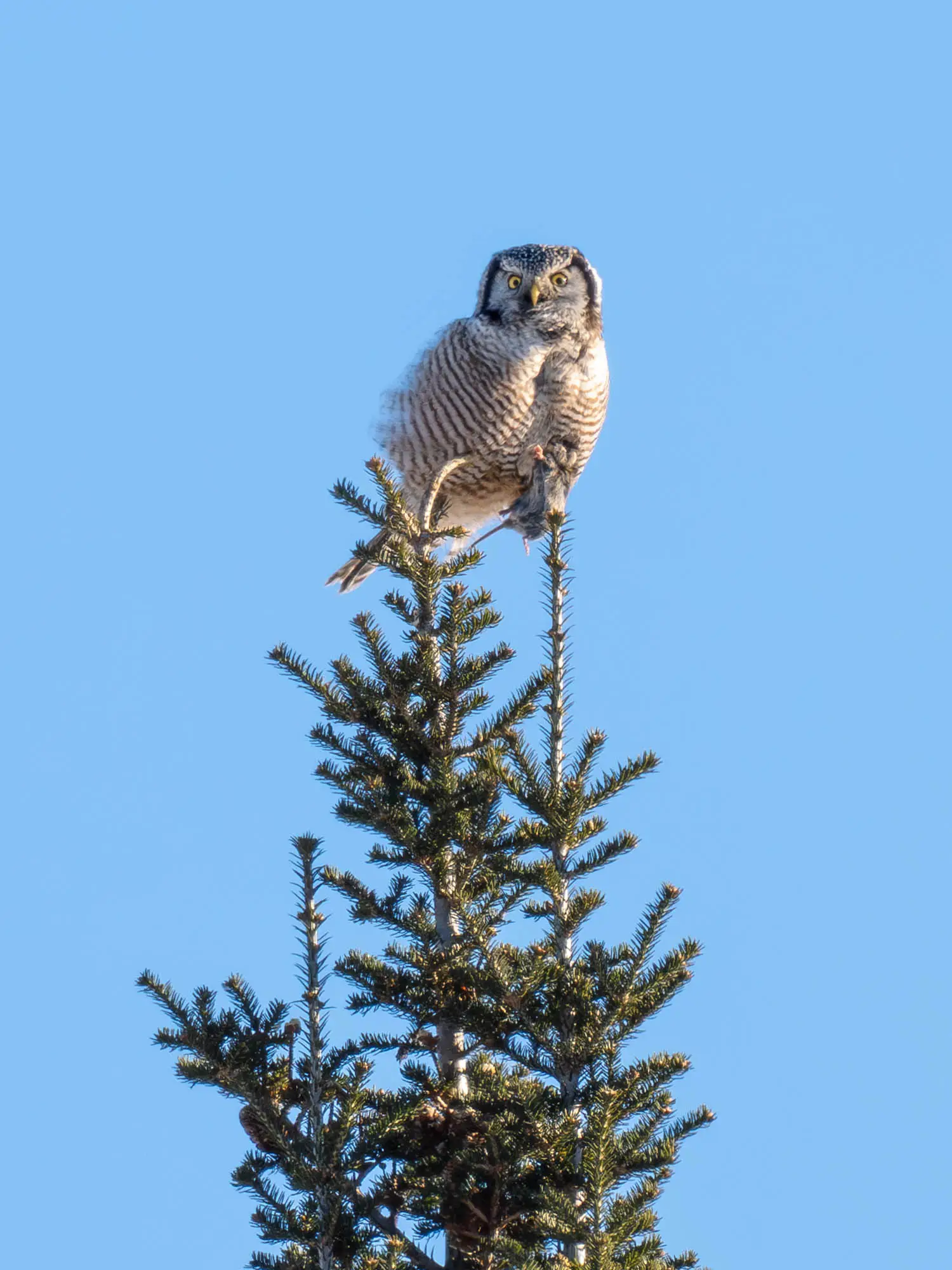
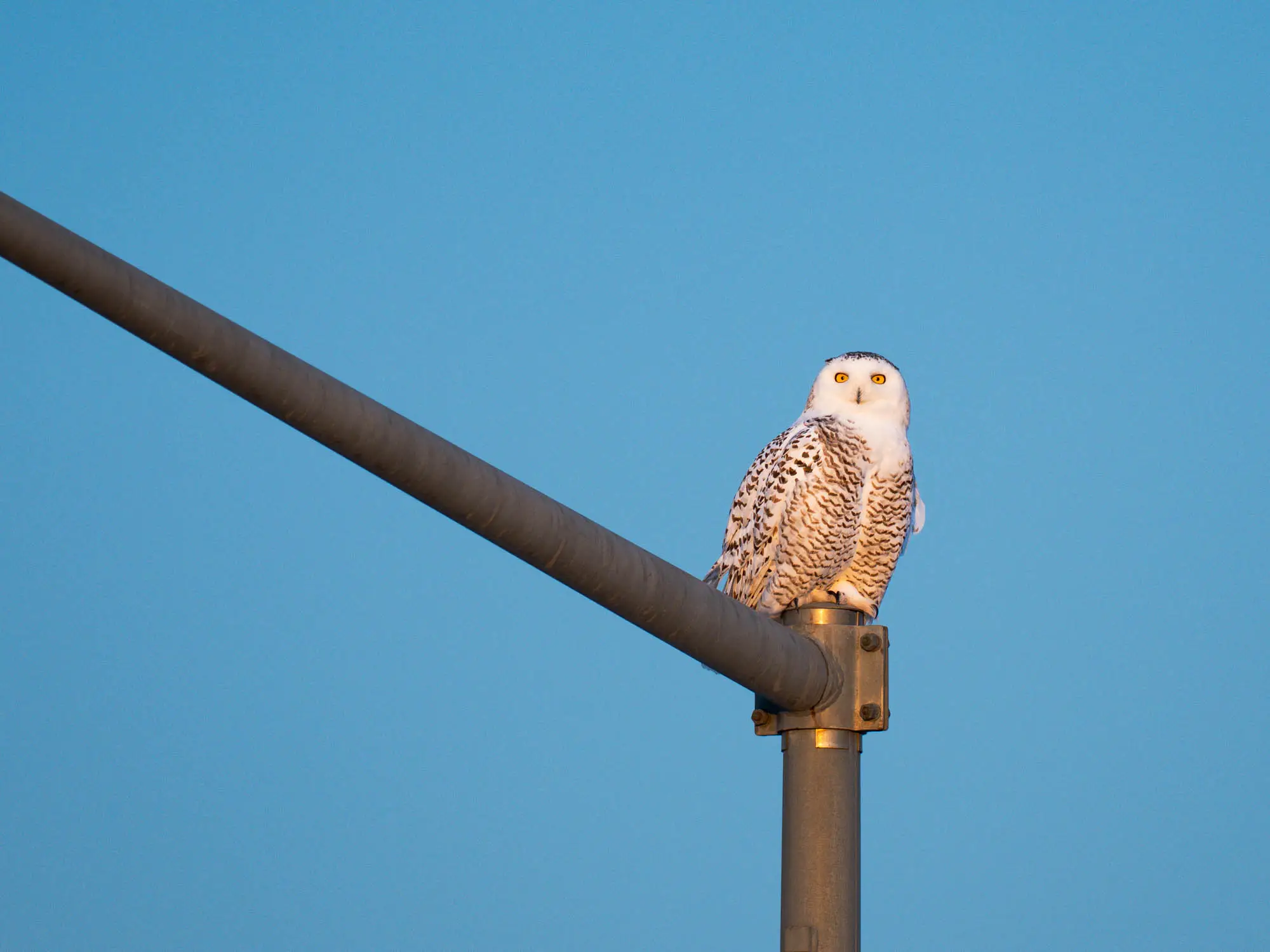
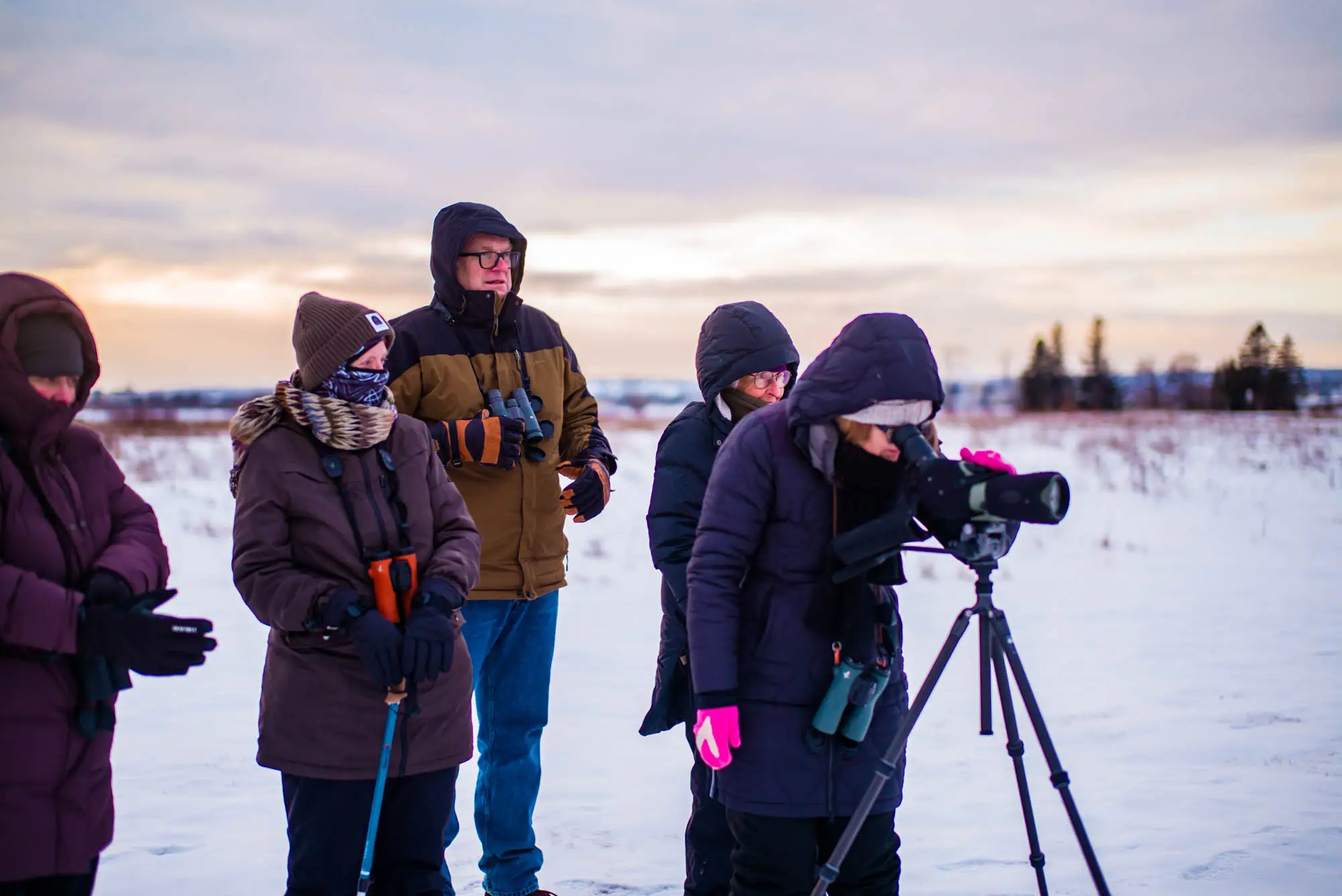
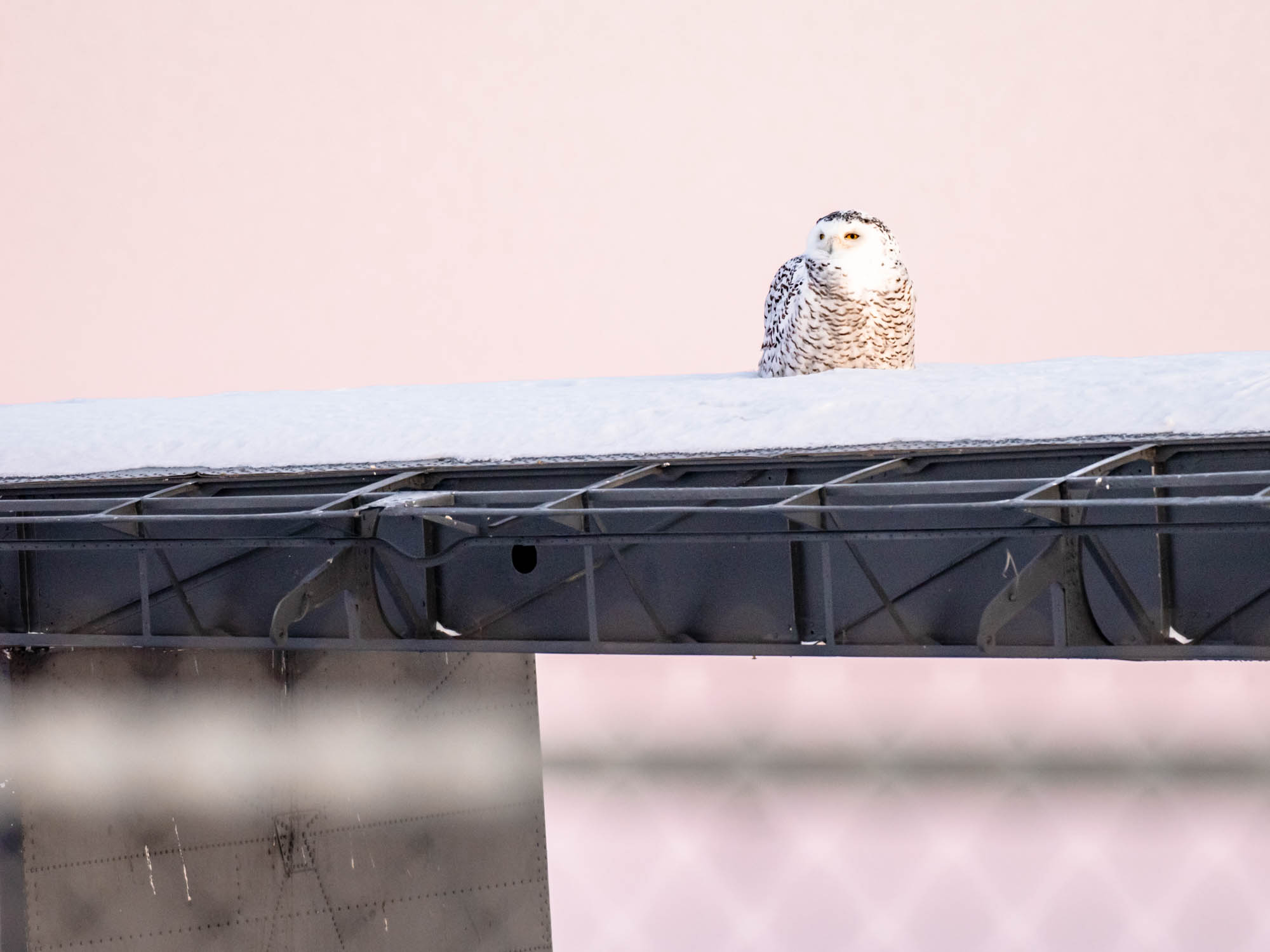
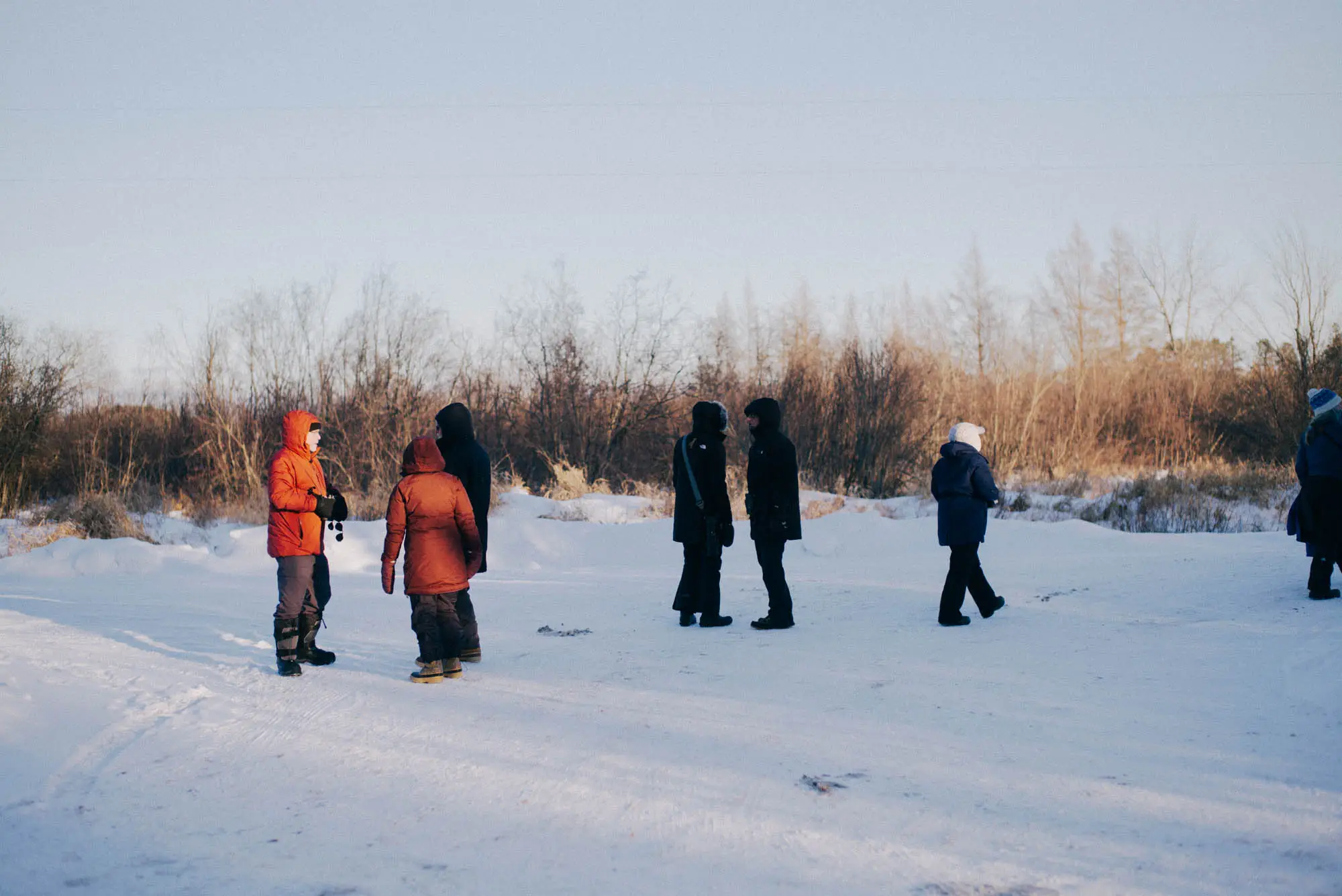
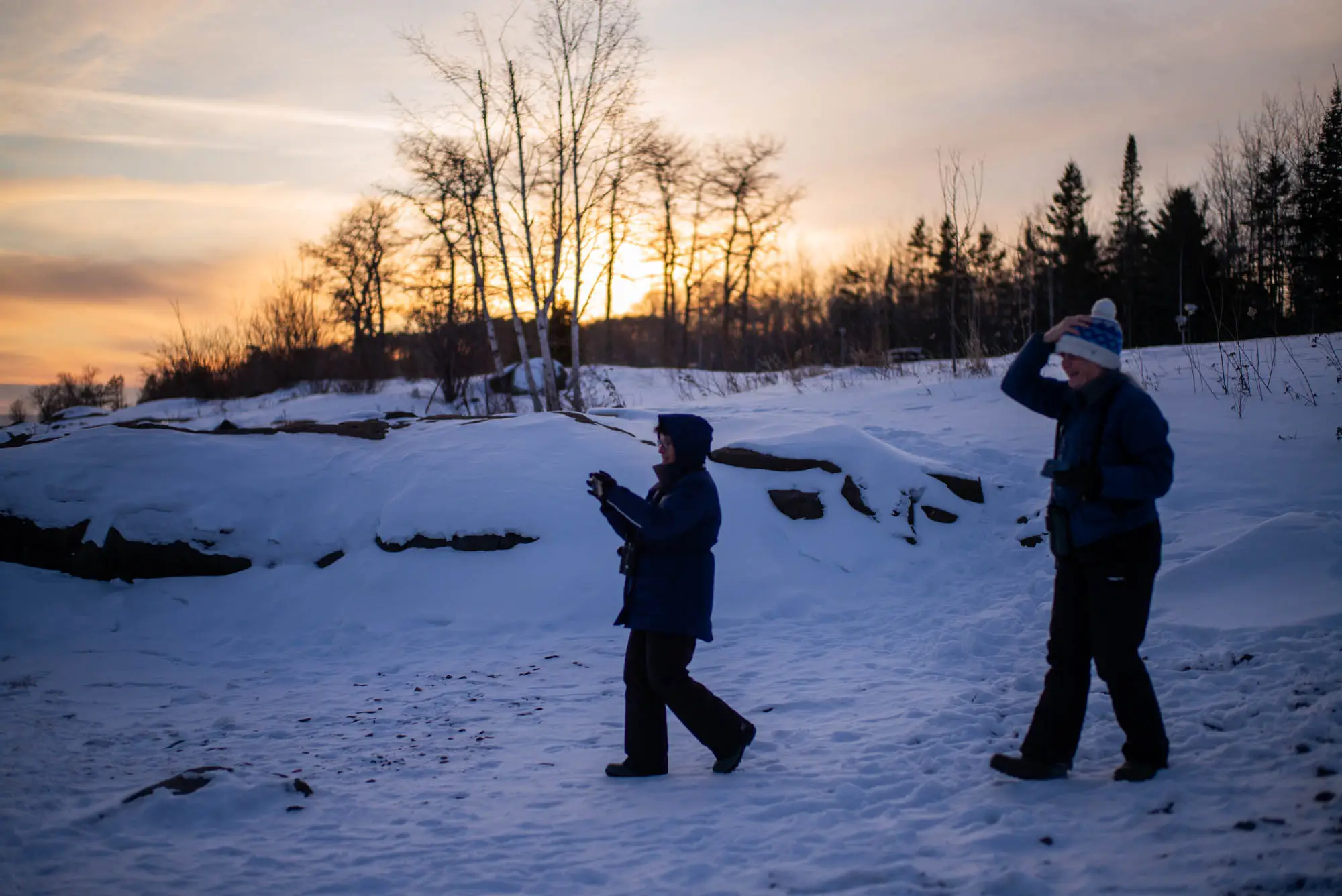
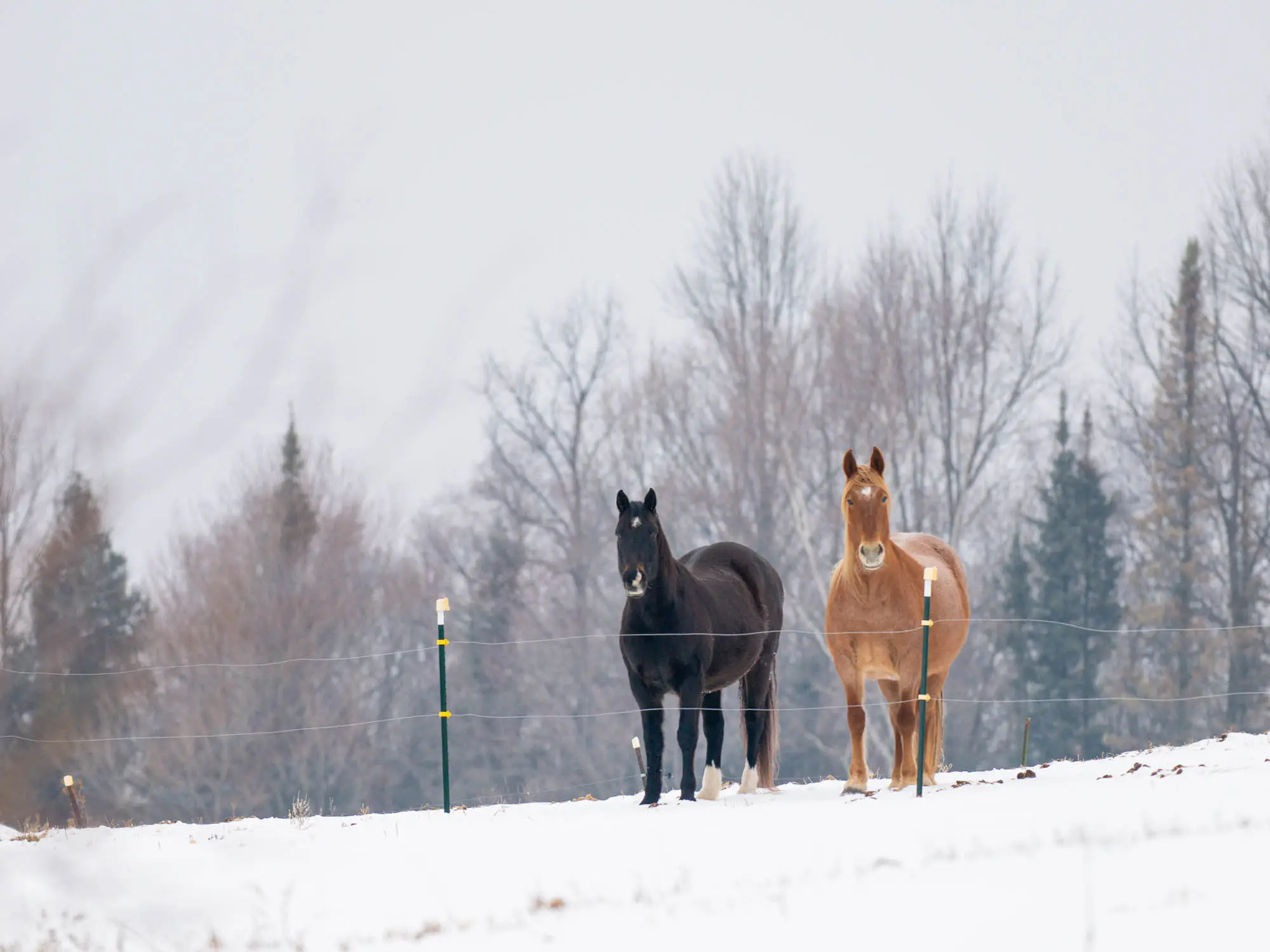
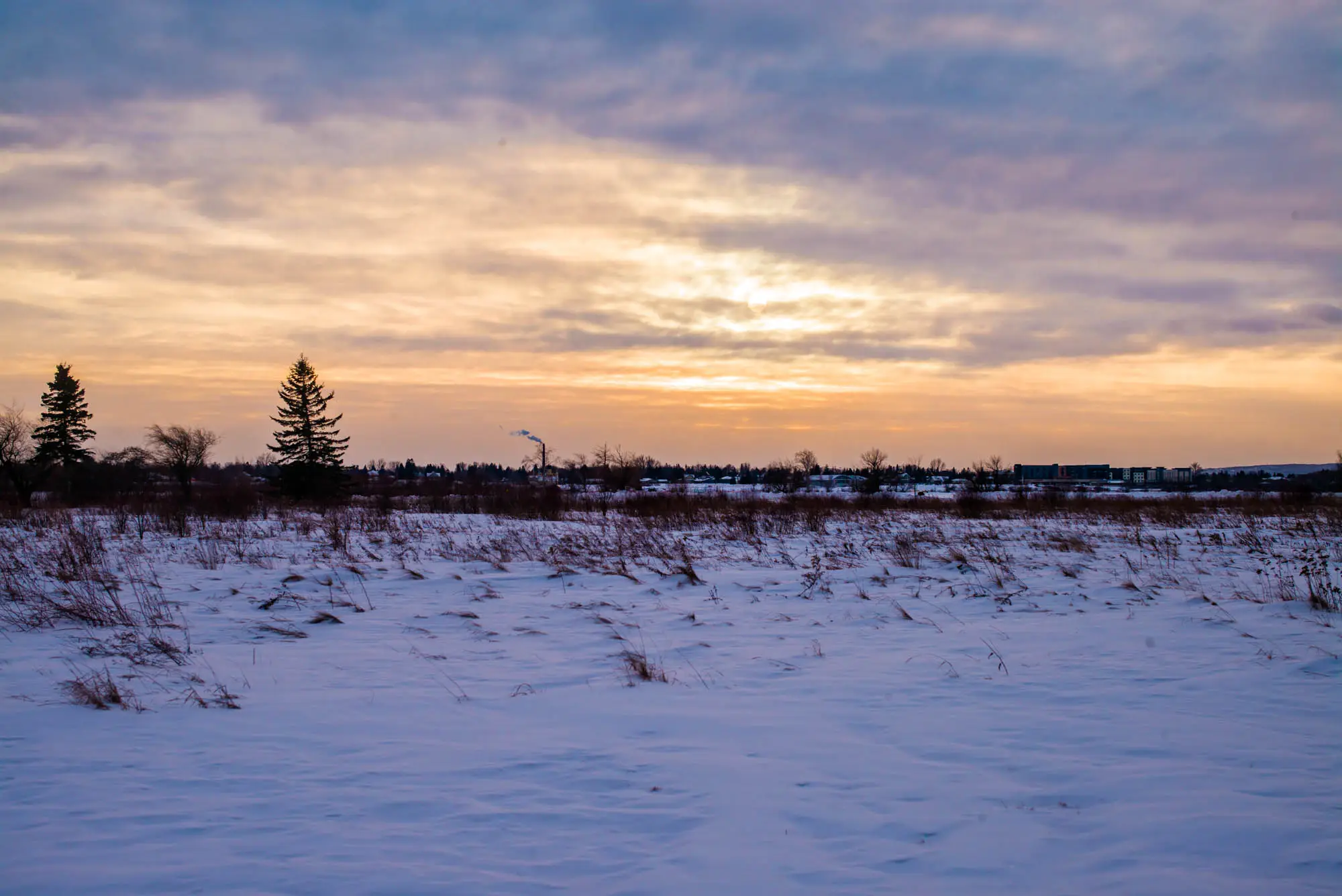
My favorite places for photography are muted landscapes and soft palettes, and the North Shore, boreal forests, and peatland bogs sure deliver in that regard. I think a few photos can say this better than words, so here’s a taste of the visual experience.

4. Culture
The main hub in this area is Duluth, which has quickly become one of my favorite small cities anywhere. The bustling town of 90,000 or so has a history steeped in the rises and falls of American industries, and has been a place of major commerce and varied community interactions for hundreds of years. Rich in lore, prophesies fulfilled and lost, and eternal hope, today the Zenith City is bustling with wonderful people, incredibly great food, and tons and tons of things to do for nearly all interests.
And as soon as you leave the shoreline, you’re immersed in the world of rural Minnesotan living. You’ll quickly see for yourself why this region is known to be home to some of the friendliest people you can imagine.
Will I see [insert X species here]?
If we were guaranteed to see all the birds every time, birding wouldn’t be as fun, right? At least that’s what we tell ourselves.
You absolutely will not see every bird species listed above on a single trip to Up North (or mammal, for that matter). The biggest reason for this is that many of those species’ ranges fluctuate from year to year and often simply aren’t around in some winters. Some species are largely nomadic and not especially predictable, and others are simply hard to find, even if they are present in the area.
You’ll hear the word “irruptions” more times than you can count in this area, as they are largely used to explain these southern movements in many sought-after raptors and finches. Irruptions are complicated, and the level of human understanding of how they work varies from species to species, but the root causes are all connected to food availability relative to a population. When food is lacking or populations are booming from increased reproductive success, a species that typically stays farther north is forced to expand south, often into this region.
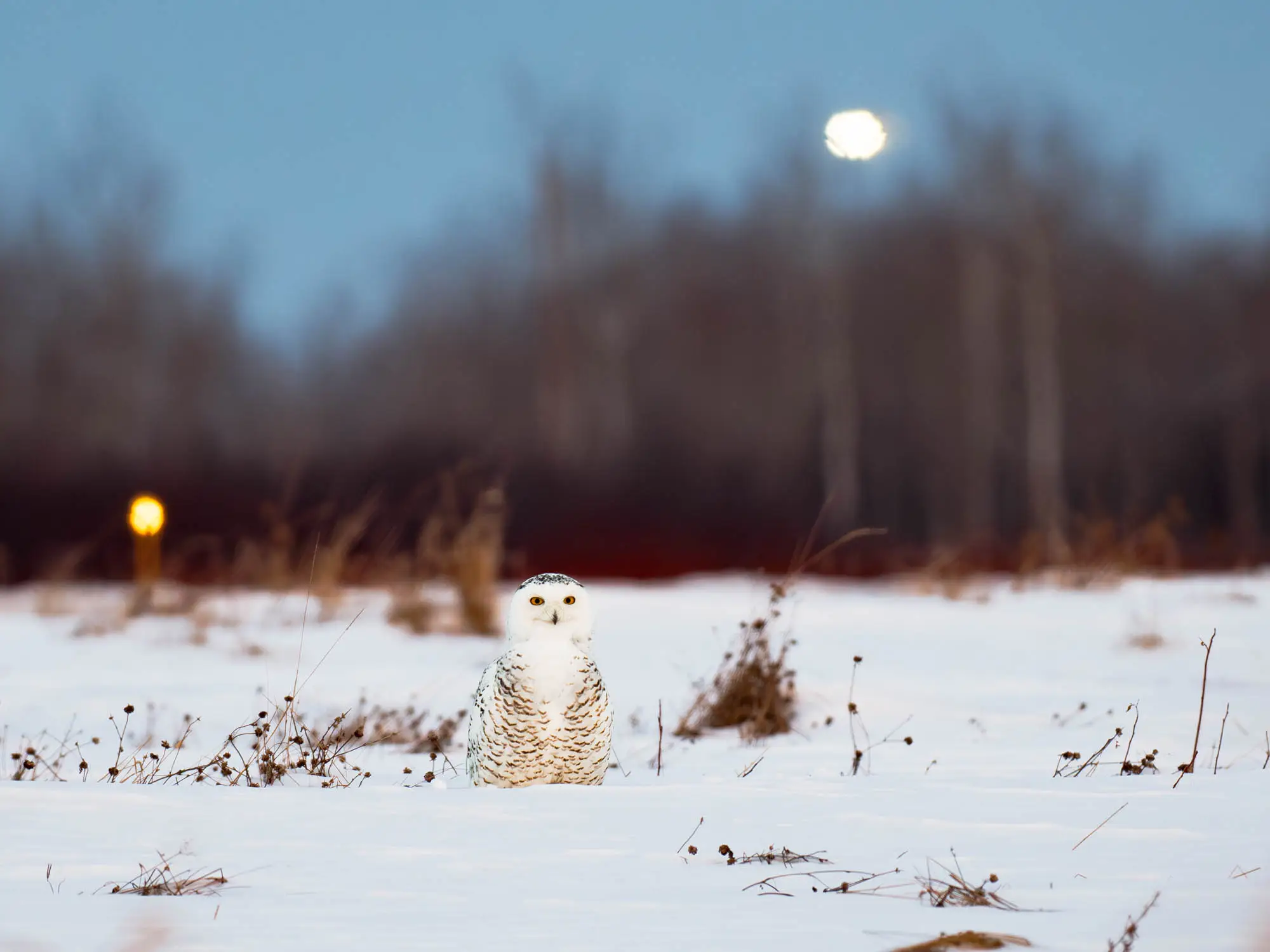
Food sources range from cone and seed crops for finches to voles for Great Gray and Boreal Owls, lemmings for Snowy Owls, and ptarmigan for gyrfalcons. Some mammals, like lemmings, have fairly consistent boom and bust cycles, and when their populations boom, Snowy Owls produce larger clutches and more offspring that then spread beyond their typical range. That’s why a lot of the Snowies we see in the lower 48 have significant barring on them, rather than being pure white — these are often juveniles (though adult females also have some barring). On the other hand, crashes in red-backed vole populations are thought to be the most common driver of southern irruptions in Boreal Owls, and cone crop failures push finches into irruptions.

As the winter season nears, we can make predictions about how these factors have played out thus far in the year, and therefore what species will be around in any given area, such as Northern Minnesota. However, there’s no way to know for sure what the abundance of any species will be, and they’re never guaranteed.
Important to note: Often, when one year has an extreme irruption, the next year will be the opposite. For example, the 2024-2025 winter season was a huge irruption for both Great Gray Owls and Boreal Owls. Now, in the 2025-2026 winter, there are virtually no Boreal Owls and very few Great Gray Owls* present in this area. Conversely, last winter had very few Pine Grosbeaks in the area, and this year, they are abundant and widespread.
But wait, there’s more to add to this complicated equation! We tend to think of winter as being a solid chunk of time in which everything is stagnant, and it especially seems that way in a place that’s fully under snow for months like this region is. However, there’s a lot more in flux than meets the eye, and populations of many species move throughout the season as they exhaust their food sources in one area and as weather events happen. So just because a season starts one way, species-wise, does not mean that it will stay that way for months on end.

*And what about Great Gray Owls?
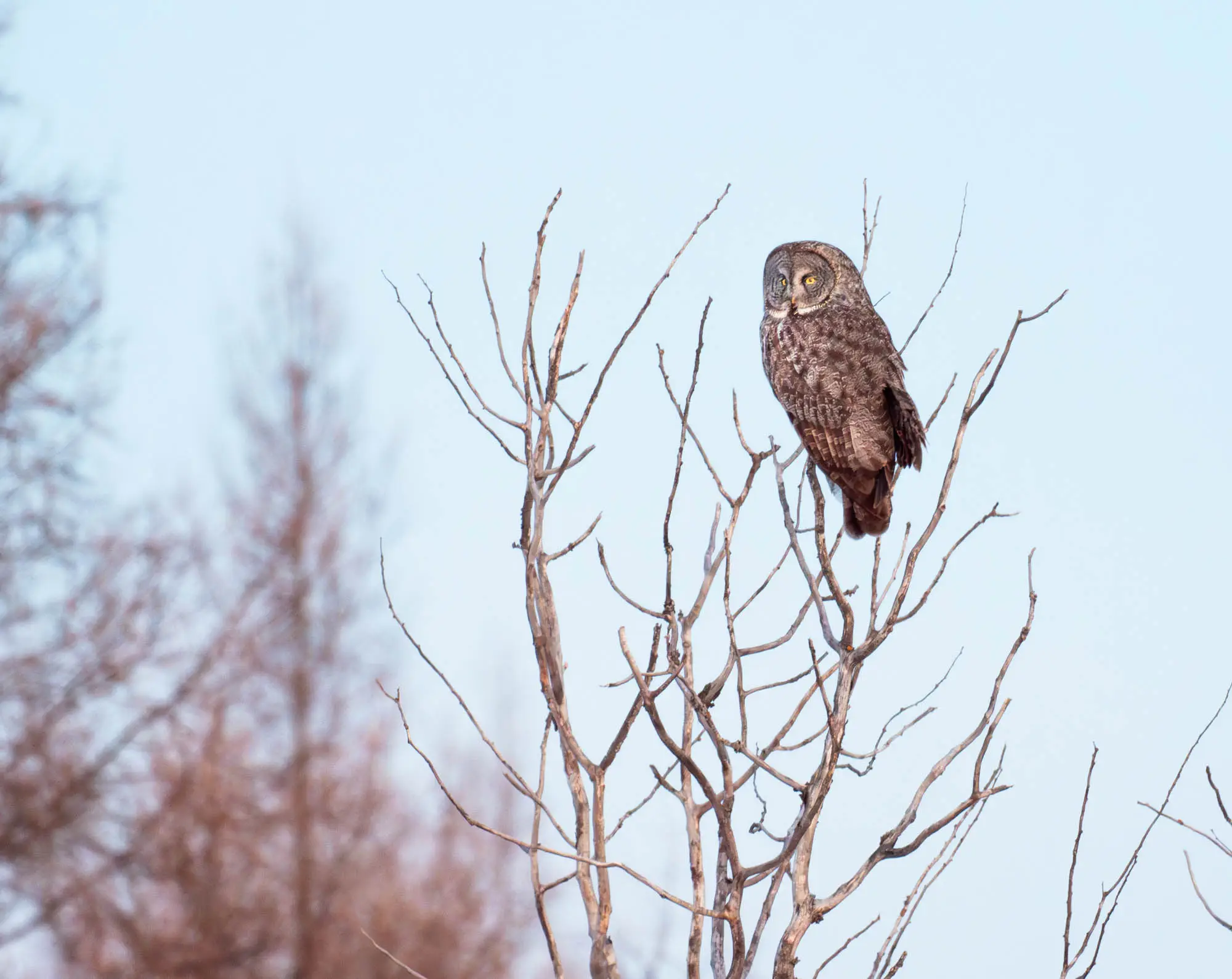
Ah, Great Gray Owls…the apple of many birders’ eyes, for excellent reasons! These magnificent beasts aren’t just irruptive visitors in this region—there’s a small resident population of them here, too. For that reason, unlike Boreal Owls and Gyrfalcons, Great Grays are present in the area in all winters. However, they are much harder to find in years without irruptions, as the resident birds usually prefer to hunt in dense forests away from roadways and human-accessible areas.
What makes Sax-Zim Bog so special?
Sax-Zim Bog is one of the most well-known birding destinations in the USA. Named for the old towns that border the protected area on either end, Sax-Zim is less than an hour northeast of Duluth and encompasses about 300 square miles.
Its mix of peatlands, mixed boreal forests, open meadows, and agricultural land comprises a habitat mix that harbors a wide range of birds and mammals. Plus, it’s a particularly accessible area, with a system of roadways allowing humans to get into the heart of these ecosystems. All of this together creates a magical mix that has attracted thousands of birders over the decades.

The area boasts the first modern record of breeding Northern Hawk Owls in the contiguous United States, discovered in the 60s, and since then, the area has been gradually protected through individuals and organizations. Today, Friends of Sax-Zim Bog spearheads conservation and recreation efforts, and stocks a variety of feeder stations that make birding even more accessible. They have a plethora of information, including resources to plan a visit to the Bog and regular reports of recent sightings, at saxzim.org.
It’s worth noting that while Sax-Zim Bog is spectacular and famous, a birding trip to this region often consists of plenty of exploration outside of the bog, too. However, a lot of these habitats beyond Sax-Zim are privately owned and largely inaccessible. The North Shore of Lake Superior has many more access opportunities and provides additional habitat types to explore.

What's it like from a birding culture standpoint here?
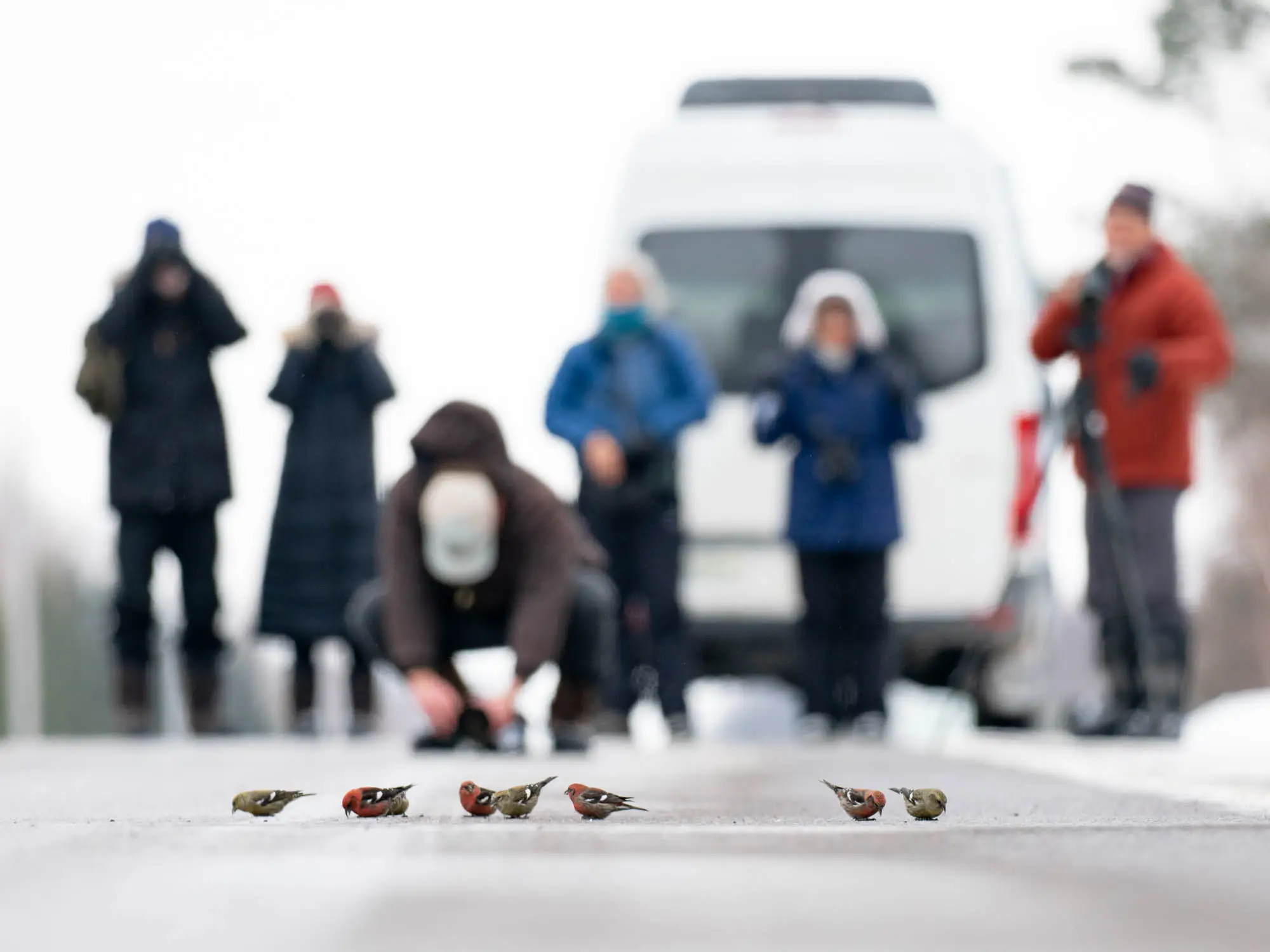
One of the biggest surprises of a visit to this region might not be about the birds, but the birders! This place is pretty special in that nearly everyone exploring Sax-Zim and key birding areas in the greater region is after the same thing this time of year. It’s a fun experience to jump out of the car to see a target species and join a group of others who are just as excited about the same thing.
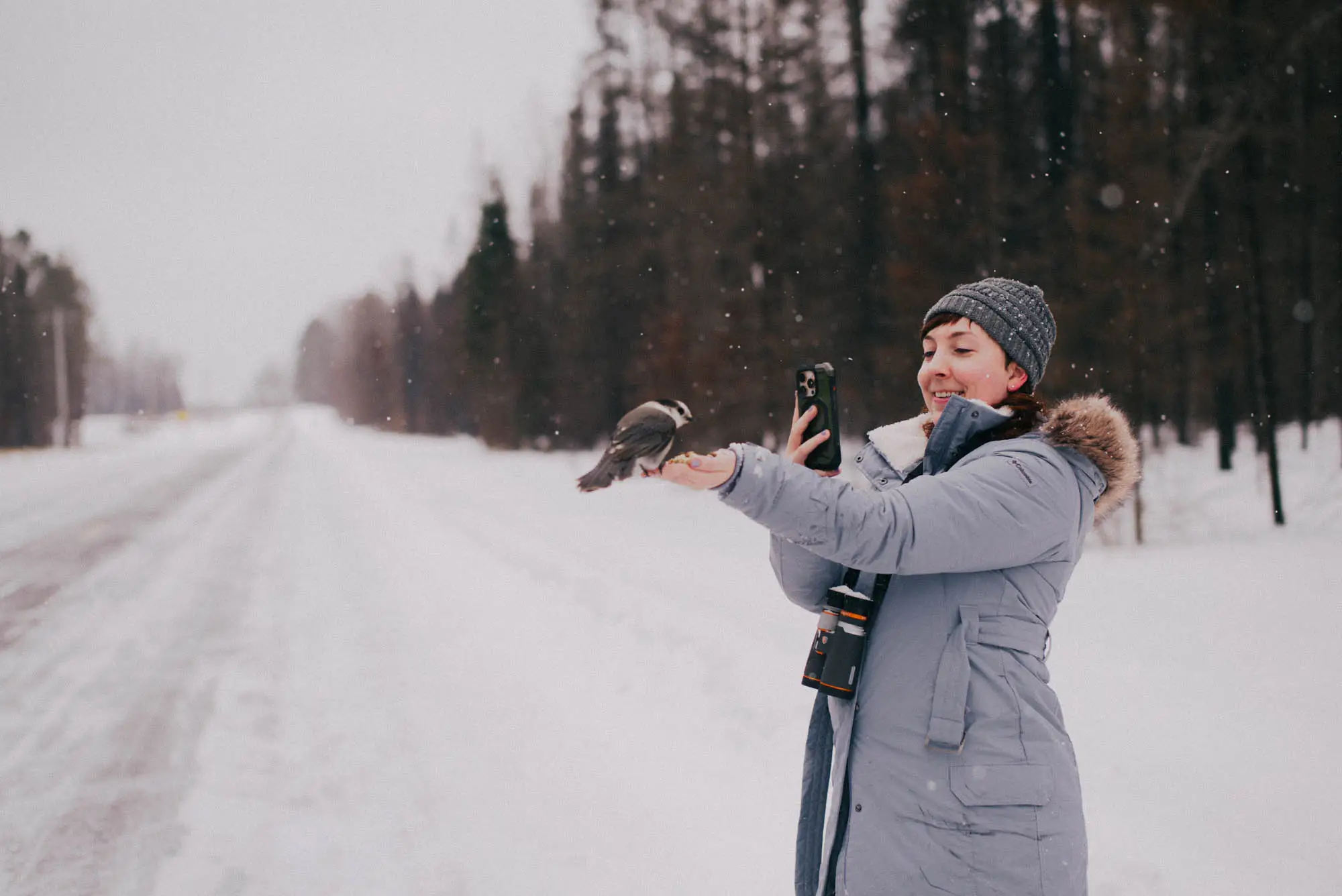
And then there are the feeding stations that cause congregations of birds and birders. There are nearly a dozen sets of feeders around the Bog that are maintained throughout the winter – many of these are managed by Friends of Sax-Zim, and others by locals who enjoy the birds just as much. These will have mixes of seeds, suet, peanut butter, and often even frozen deer carcasses to provide nutrition for resident passerines. Any trip here involves a lot of time checking the various feeders to see what species are enjoying them.

As fantastic as this camaraderie is, it can also lead to some congestion, and at its worst, disrupt local communities or create safety hazards on the road. Read more about what leads to these experiences below, and absolutely check the resources at Friends of Sax-Zim for how to support birds, birders, and local communities if you visit.
Though it sometimes leads to friction, the presence of lots of birders each winter is a very positive experience for most in these rural communities. Chances are that a local who pulls up in a snowmobile has seen some birds recently, and maybe even has a story from some of the most charismatic species in the area, so it’s always worth a hello and an ask!
What about the weather?
Wondering about those temperatures? Well, erm, yeah. It’s cold. And the weather ranges wildly from day to day here.
In the two weeks I just spent in Duluth and the surrounding region, the temperatures ranged from -39 to 37 degrees Fahrenheit. The majority of the first week were roughly lows around -15 and highs around 10; the second week ranged more between 0-25 degrees.

Wind can also vary, but luckily, it’s often not too terrible. In these conditions, any precipitation can lead to treacherous driving conditions. The worst weather we experienced was a sunny day that was nearly up to freezing, which melted the top layer of snow, followed by some overnight sleet. We had to be extra careful and plan our route to avoid the worst of these roadway conditions.
It’s extremely important to be prepared for these frigid conditions, because if you don’t, it can ruin your trip!

Is this trip for everyone?
I hate to say it, but no. If you hate cold weather more than you love winter birds, this might not be the trip for you. If you have mobility issues, you should be very careful in the plethora of icy walkways and paths. And if you have trouble sitting in a car for long hours, you might struggle here.
But if you like unique landscapes, birds, and experiences, this is simply a place you have to experience at least once if you can. And hey, maybe you even like the cold like I do — in which case, all the better!
How do I prepare to go birding in this area?
When preparing for a day of winter birding here, it’s important to plan for lots of time in the car. You can customize your outing how you’d like, but between the weather and the way that birds tend to be few and far between here – a beautiful thing in itself in this desolate landscape! – birders typically spend many, many hours driving and birding from their vehicles.
It also helps to plan a route ahead of time if you’re looking for target birds. Recent trip reports and keeping up with the season via social media, eBird, the Bog’s Telegram group chat, and word of mouth will help to find out what birds are being seen. Often, but variably, some owls are in reliable locations and certain feeders consistently get the same species. When you add up a handful of locations on snowy forest roads and the like, this can quickly amount to a lot of miles and time spent driving. Not to mention, away from Duluth and lakeside towns, bathrooms, gas stations, and restaurants are sparse. Looking at a map to find a route order that makes sense for your time and objectives is key.

Since days can be long, packing necessary gear and dressing appropriately is important, too. For clothing this year, I defaulted to wool baselayers, either winter overalls or down-filled pants and sweaters, plus a parka and insulated snowboots. Gloves and hats are essential, and hand warmers help, too. I kept a lighter coat with me at all times and often adjusted my layers between stops and long car rides.
You’ll also want snacks and water on hand, plus your full range of birding optics. Scopes may or may not be helpful, but they are always fun to enjoy closer-up views of stationary birds, even if not needed for IDs. Beyond that, there are fields to scan, it could be helpful on the lake while checking open water, and of course, there’s always a chance to check something that’s perched far away. With cameras, keep in mind that batteries may run out extremely quickly in cold temperatures, so have extras on hand. Lastly, if traveling with other vehicles, walkie-talkies are great for quick communication here.
What's a typical day like during a winter birding trip in Minnesota?
Let’s go through a typical day here chronologically. It’s ideal to be out on the roads and birding by daybreak for key species, like grouse and some owls, so an early start to your first birding destination is often where things begin. You might be cruising roads while looking for targets within sight, or even gritting on the road itself…or headed to a stakeout.
From that first stop on, you embark on a day of the choose-your-own-adventure type, which is often driven by how quickly you successfully find what you’re looking for.
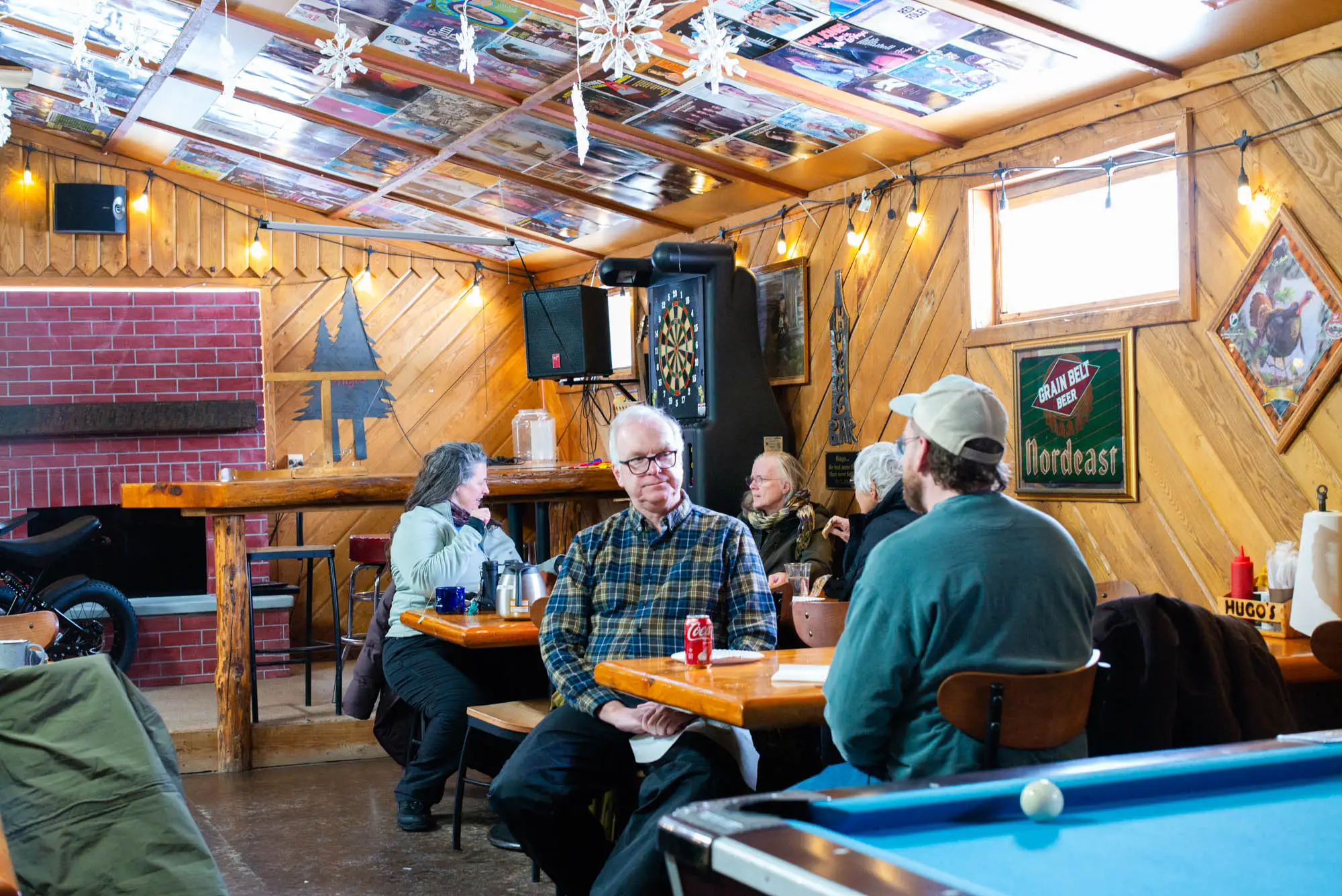
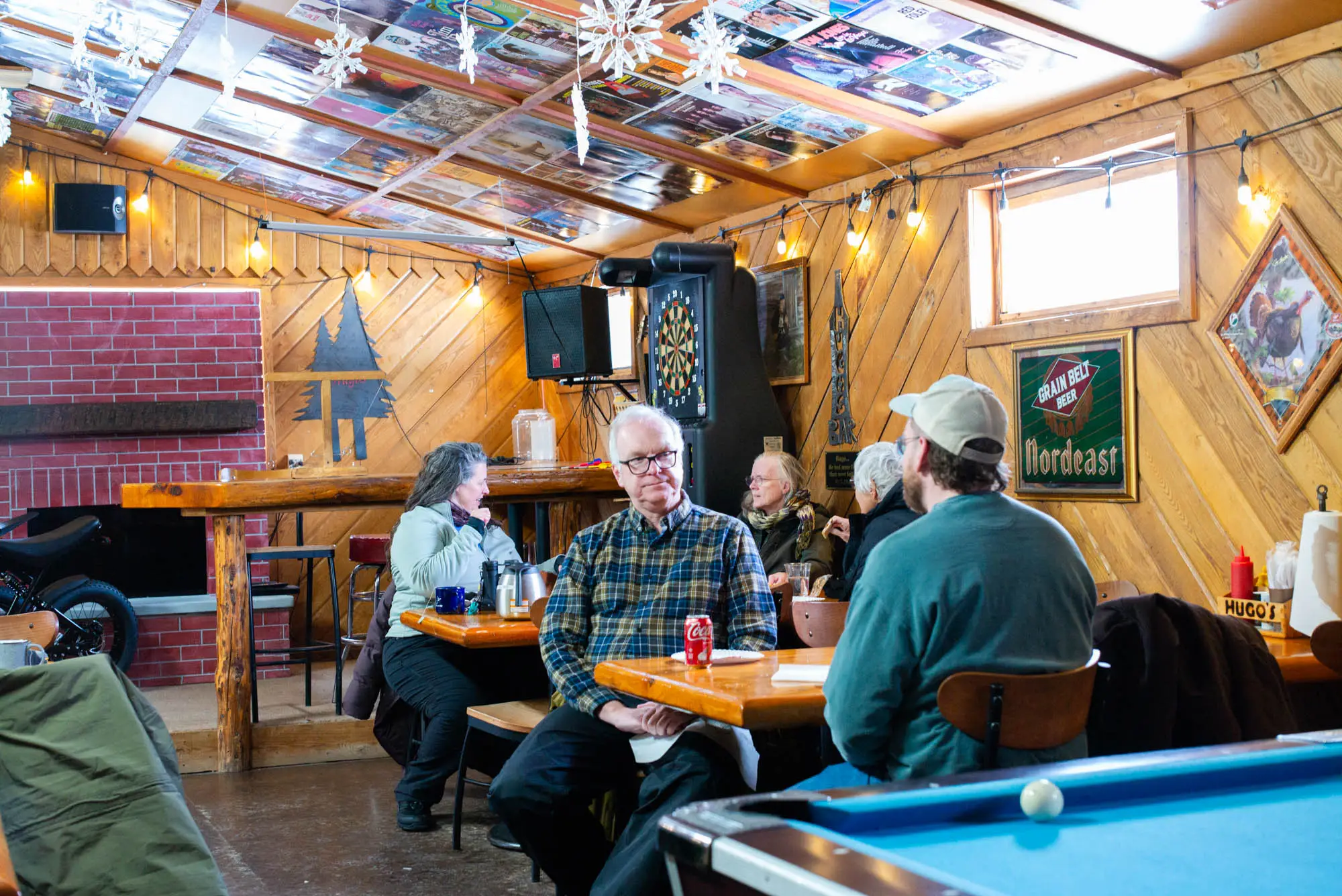
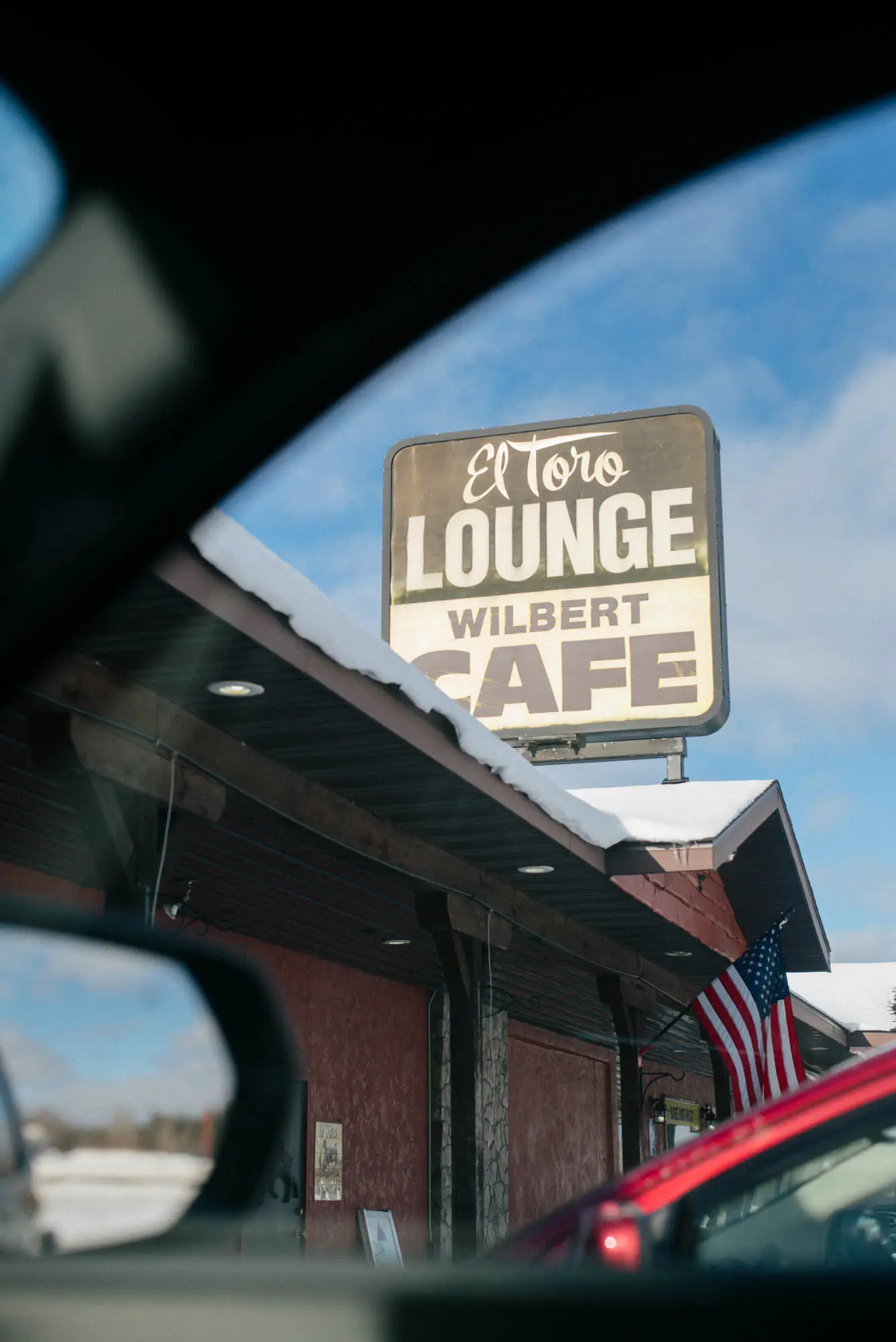
By mid-morning, you may be on to checking some feeding stations and enjoying what’s coming to them. By 10 AM, the Sax-Zim Bog Welcome Center is open, which is a great place for a bathroom break, watching feeders from indoors, stretching your legs, and supporting the organization through a gift shop purchase. Then it’s out again until lunch at one of the few nearby diners, all of which are birder-friendly and a fun part of the whole experience. Post-lunch will likely consist of similar stops, perhaps some second tries for things you missed so far, and maybe a half-mile walk on one of several short boardwalks into the bog. The last hour of daylight could put you back where you started by driving and scanning for crepuscular activity.

As another example, maybe your day isn’t centered around Sax-Zim Bog, and you’re instead working other parts of the region. You could drive farther north into Superior National Forest and begin the day hoping for Spruce Grouse or mammals from the road. Then, you could head to areas that are productive for woodpeckers, often recent burns. Venturing back to a lakeside town opens more lunch possibilities, and roaming Bohemian Waxwing flocks might work their way into your route. The afternoon could be spent hopping through lake stops for open water, ducks, and gulls.
Whatever your day brings you, if you are staying in Duluth, make sure to take advantage of the vast range of fantastic restaurants in the evenings.
On a dreamlike day, it’s conceivable to see nearly all of the realistic targets in one go. But I’ve yet to hear of someone pulling that off! Really, two full days minimum, and up to four or so days is a decent sweetspot to allow yourself time to see everything you want to see. By days three or four, you’ll probably be revisiting places, and that could well be by design to clean up earlier misses. Plus, as mentioned earlier…even though it might not seem like it on the surface, this landscape is highly dynamic! The longer you are in the area, the more chances you have to come across more birds and wildlife. The White-winged Crossbills that magically appeared on day 13 of my 14 days there this year are proof of that!
Should I go on a tour or hire a guide while birding in Northern Minnesota?
I lead tours here. So, yes, there’s some inherent bias in that. But my first trip to Sax-Zim was with a group of very keen birder friends, and I’m still so thankful we hired a local guide to get the full experience (shout-out Gregg Severson for such a wonderful trip!).
Having a local guide provides a vastly greater depth of knowledge of what birds are around, the roads to take, the can’t-miss places, cultural and historical context, and an all-around richer experience. That’s especially true here, where without that guidance, you could easily end up isolated in your car and wondering if you’re on the right track for hours on end.
And with a full guided tour, you simply have the luxury of not worrying about all the planning, driving, and strategy (plus the bird and mammal spotting and identifying is covered, but more scanning and participation from within a group of people are always helpful here, too!). It was really nice for my co-lead, Bryan Calk, and me to hear regular feedback from our participants about how easy we made the trip for them. They simply showed up at the airport, and everything was off their plate until they got dropped off again by us at the end of the trip. We have the advantages of days on end of being in the field, a strong network of other guides to collaborate with, and knowledge of the best places to enrich everyone’s total experience (even how to avoid a porta-potty situation in -30 degrees).

That being said, lots of folks come here to bird on their own or without local guides and have a blast doing it, too. And I fully get that — I love prepping a trip and planning an experience so much that I make my living doing it, after all!
However you craft your experience, I sure hope you plan to visit this winter wonderland someday. You’ll never forget it!