Birding Cuba in 2024
Bird and nature surveys with Alvaro’s Adventures
2025/2026 Cuba Tours Update
We ran this tour in Cuba in April and December 2024 and March 2026. However, continued economic downturn, leading to crumbling infrastructure, has led to a pause on future tours for the foreseeable future. I hope for the well-being of all Cubans, and that travel will safely resume in the future years.
Our 12-day route across Cuba blends new birds and experiences each day while still taking plenty of time to soak everything in.
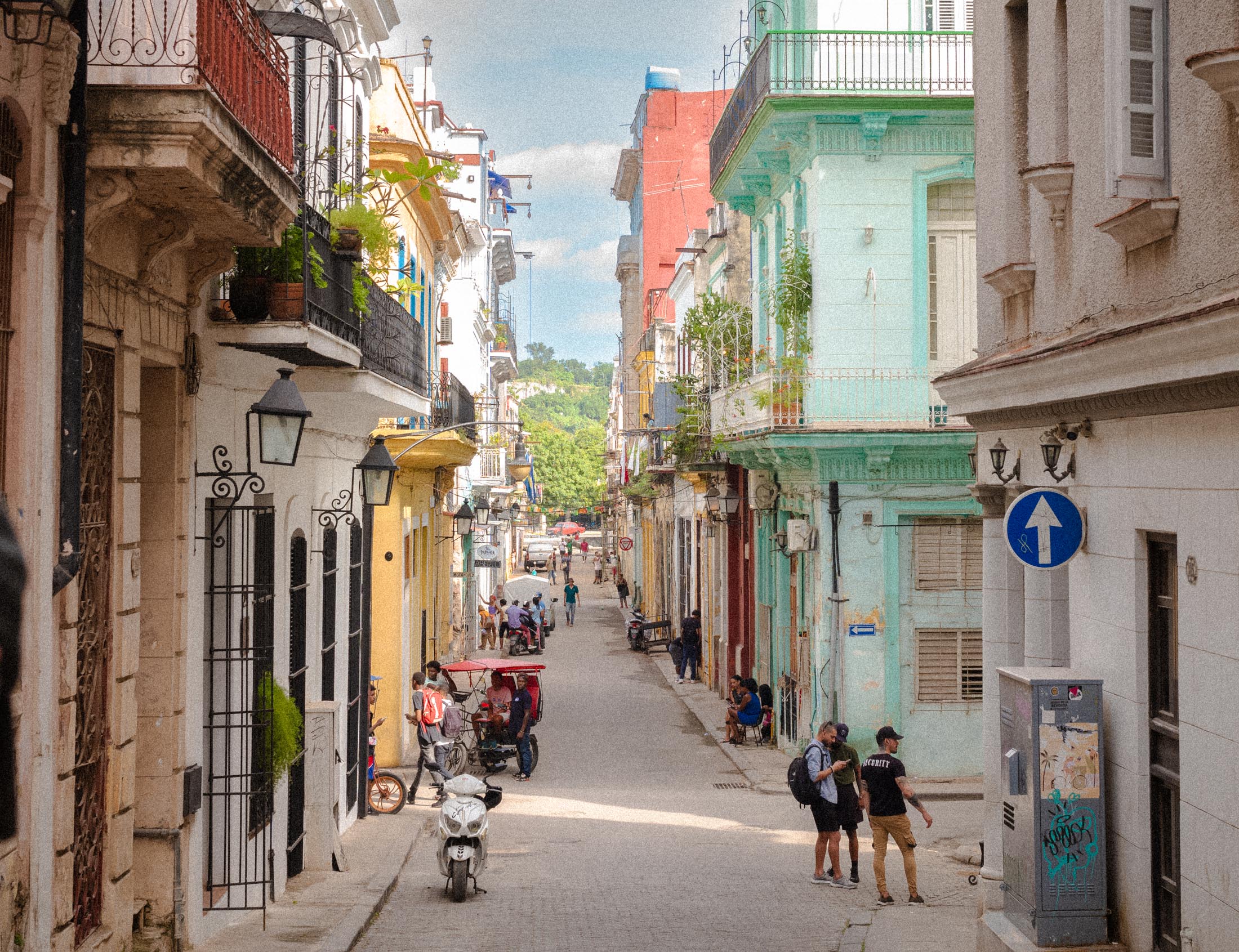
We started our survey with Alvaro’s Adventures in Camagüey in East Central Cuba, a historic city and UNESCO World Heritage Site with diverse art, stunning architecture, and plenty of legendary tales.
Many who join these trips choose to arrive a day early to take a short city tour and rest up before our birding adventures begin. It’s worth it—Camagüey is totally unlike everywhere else we visit. In addition to the stunning buildings, the artists who live and work here bring unique perspectives to the streets and their shops.
FAQ: Can you fly directly from the United States to Cuba? Yes, you can, but not as a tourist. Instead, you must go for an approved reason from the US Embassy, such as for professional meetings or to visit family. We support humanitarian projects via our citizen science contributions throughout our survey.

Camagüey is known for its churches, Spanish architecture, and its intentional maze of roadways designed long ago to deter pirates.

Martha Jimenez is a Cuban artist whose work appears worldwide. Here in her hometown, she has a series of statues featuring local people doing the smalltown things they are known for—like this man who reads his paper daily on this bench (he’s still living, but from what I hear, getting up there in years and not always present beside his statue these days!).
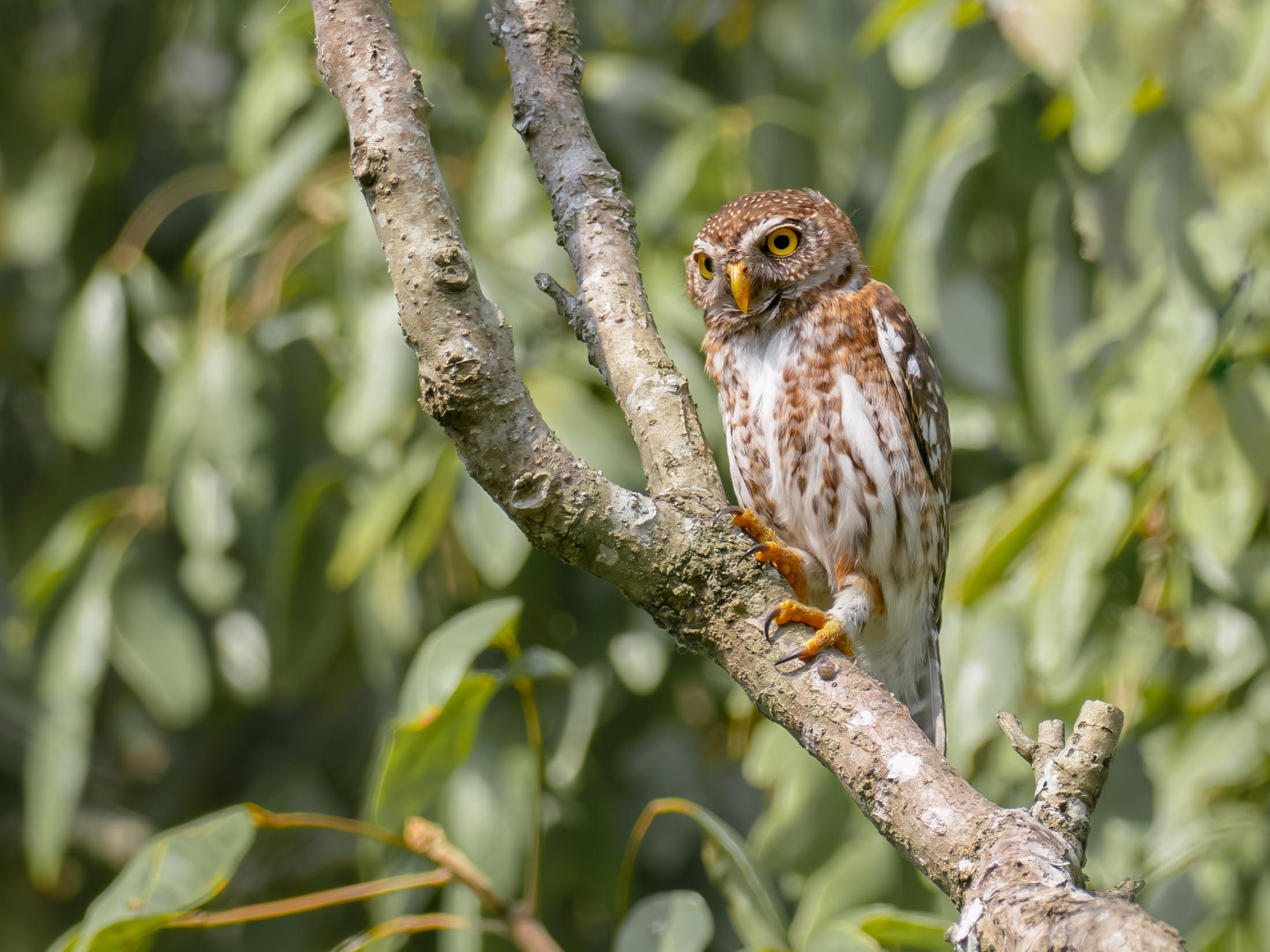
Around here, we found a sampling of Cuba’s more common birds – many endemics – plus more difficult targets like Giant Kingbird and Cuban Palm-Crow.
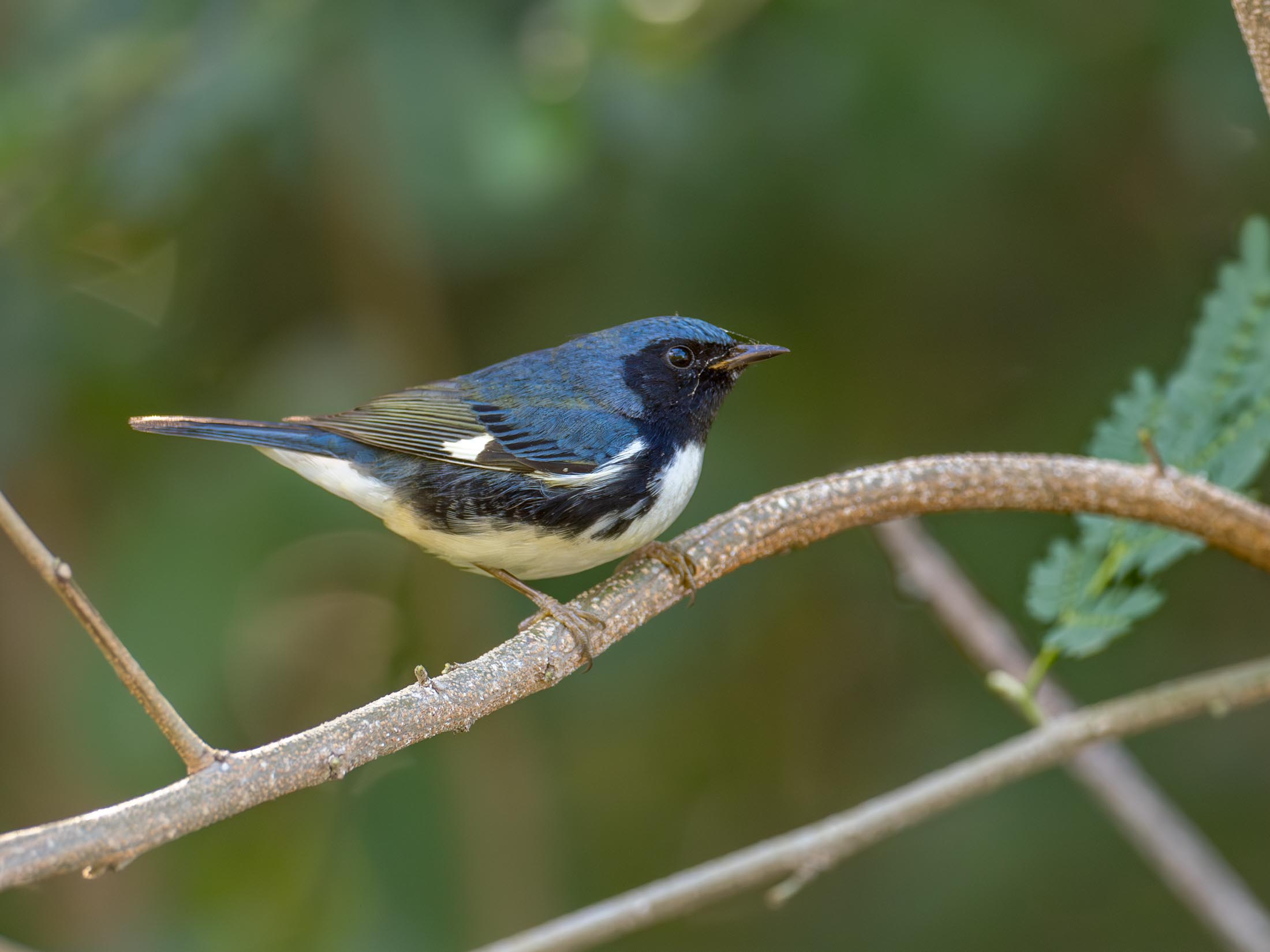
We spent a full morning exploring the nice forests of Sierra del Chorillo, a protected natural area. It was our first chance to see the ripple of a Cuban Trogon’s tail through a ceiba tree and track down the source of a sound like a tiny horse galloping: a Cuban Tody. Plus, in the wintertime, these trees are teeming with warblers.
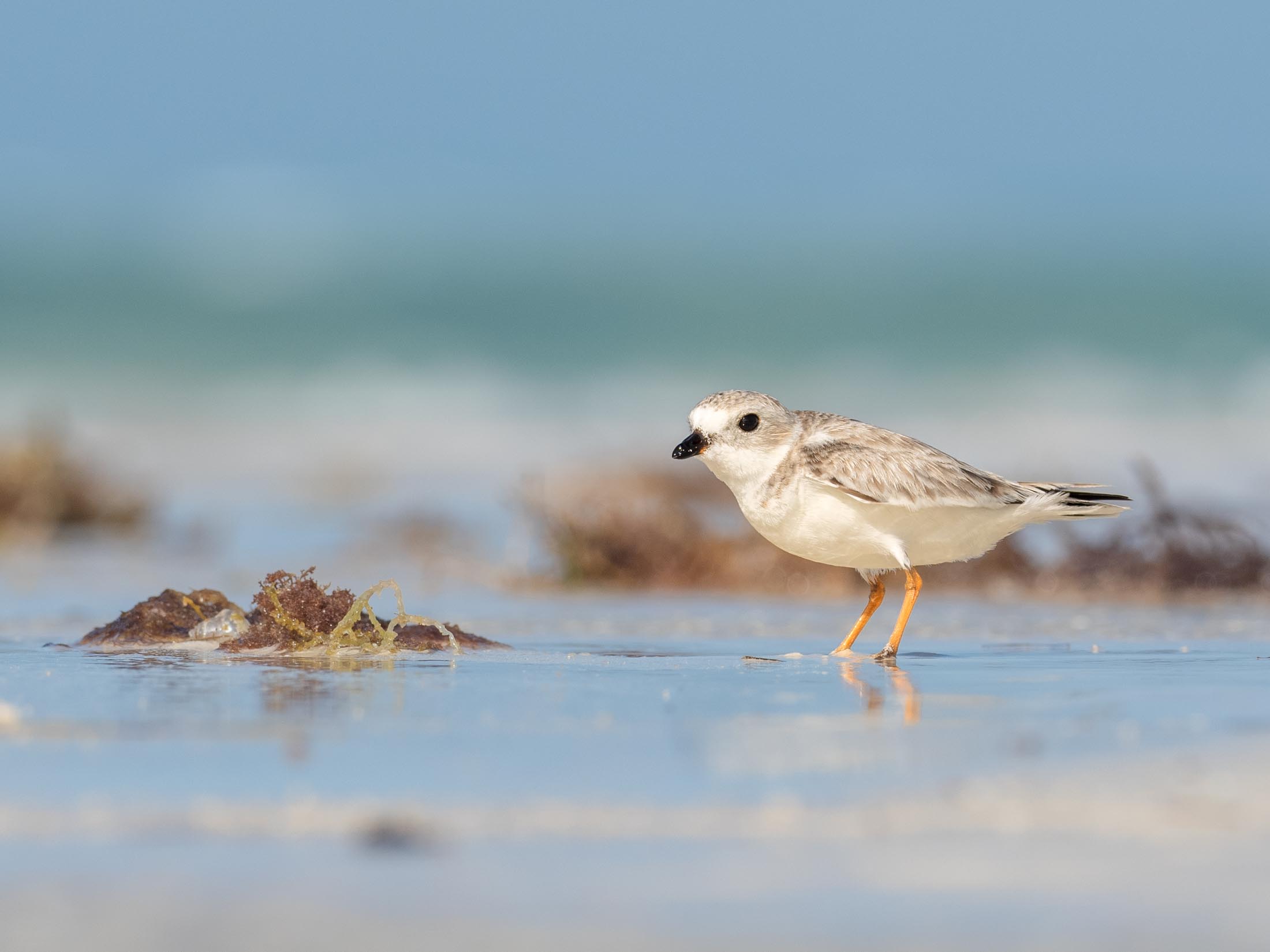
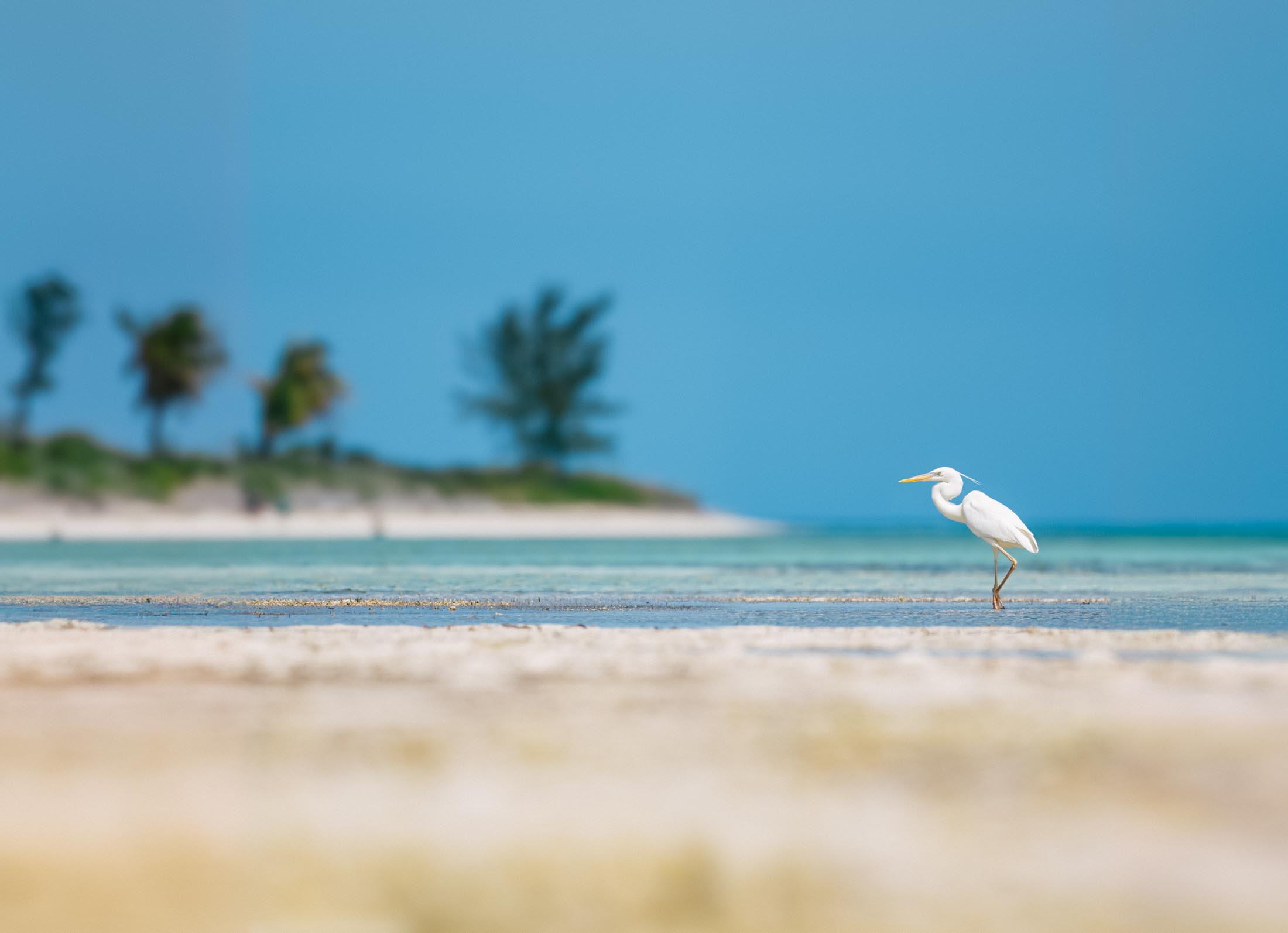
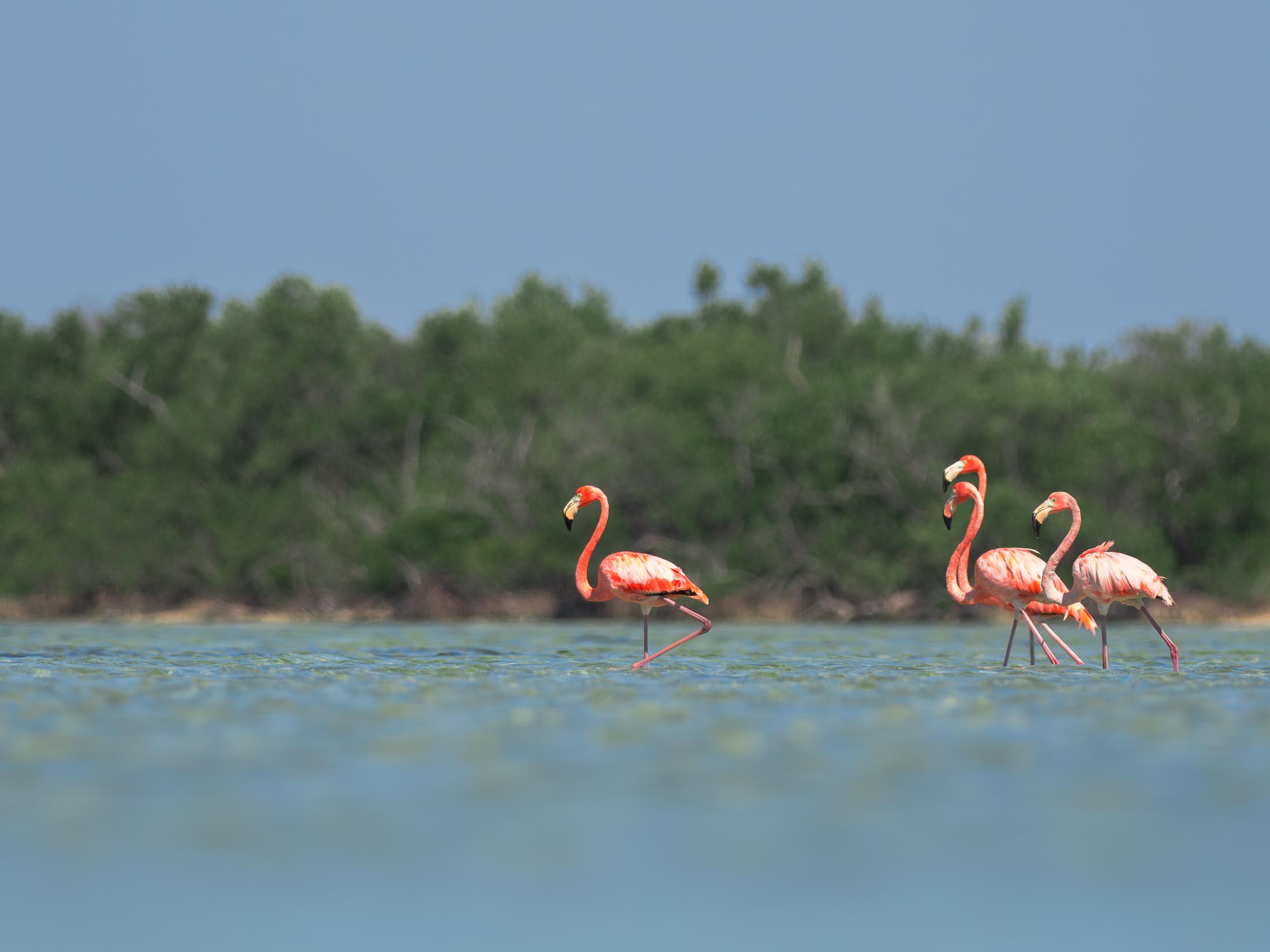
After a few days, we headed to the Cayos – key islands – for coastal specialties, flamingos and waterbirds, and a little time on the beach. We spent a few days thoroughly exploring a nice stretch of the mangrove and coastal forests.
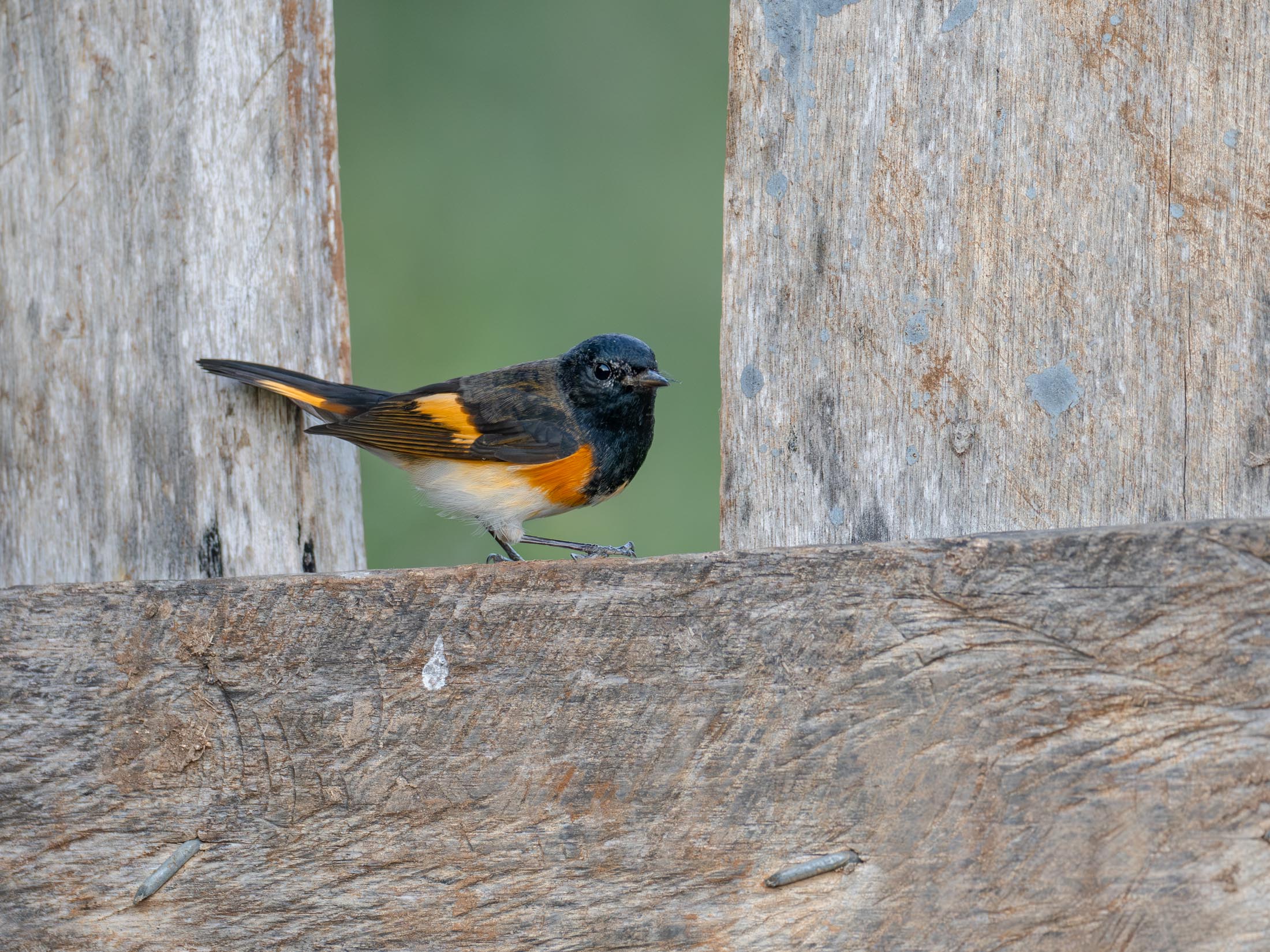
FAQ: What time of year is best for birding in Cuba? In general, late November to early April is the best time of year to visit Cuba for birding. These months take advantage of cooler weather and high bird activity. November and April see the highest numbers of migrating birds passing through. In December – March, many warblers that breed in the US are present as they winter in Cuba. In late March, a few Cuban breeding species like Cuban Martin and Antillean Nighthawk return. Most expected endemic Cuban birds are realistically gettable at any point in the year.

Before my first trip to Cuba, I thought Cuban Green Woodpeckers were sort of downy-like based on their proportions. But they’re actually big and bulky and unlike any other woodpeckers I’ve seen—it’s apt that they’re the only species in their genus (Xiphidiopicus percussus).

Cuban Black Hawk: More brown than Black, but very Cuban and very Hawk. I was elated when this one dropped to eye level in front of us, oblivious to the gawking birders as it scanned for crabs and other prey.
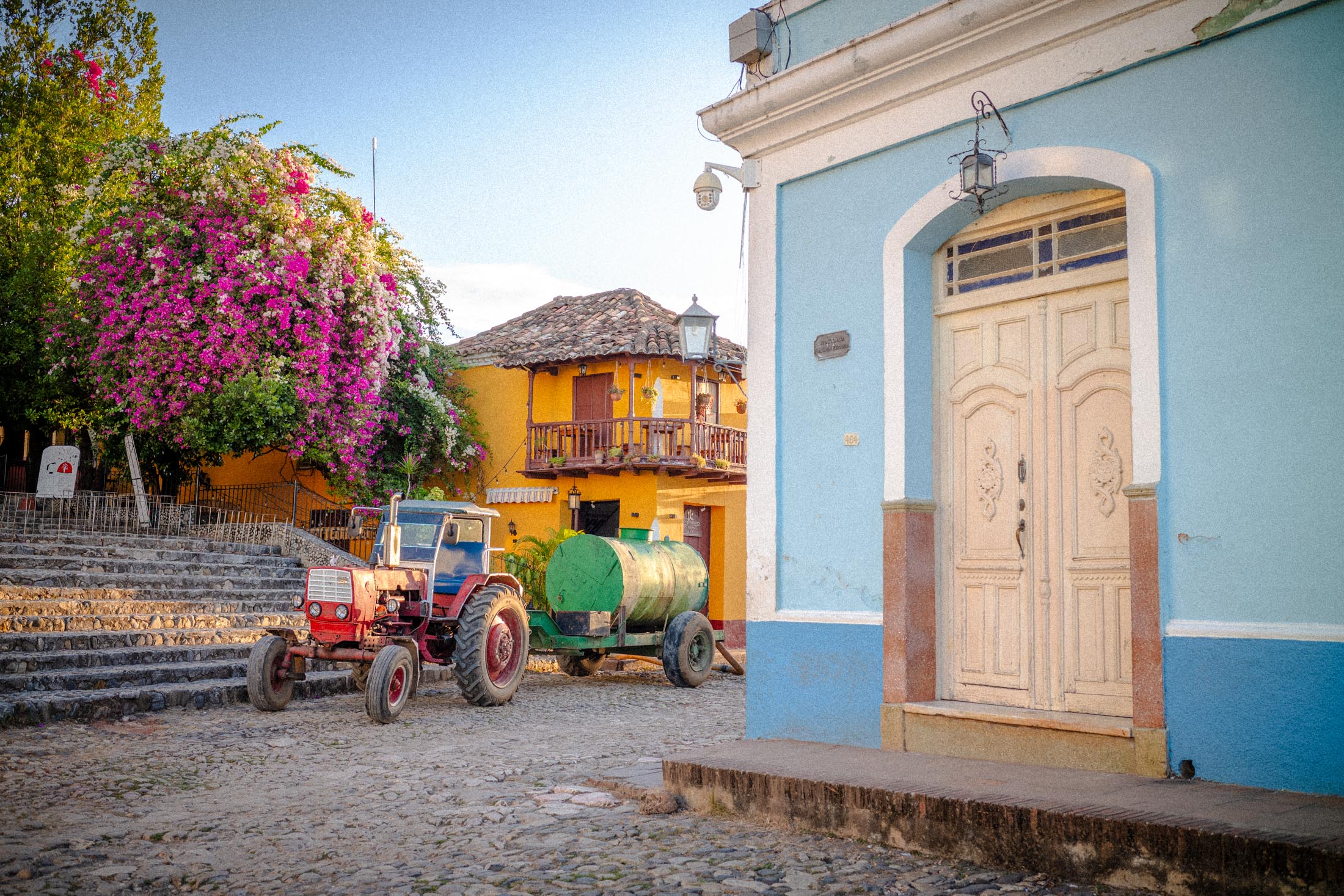
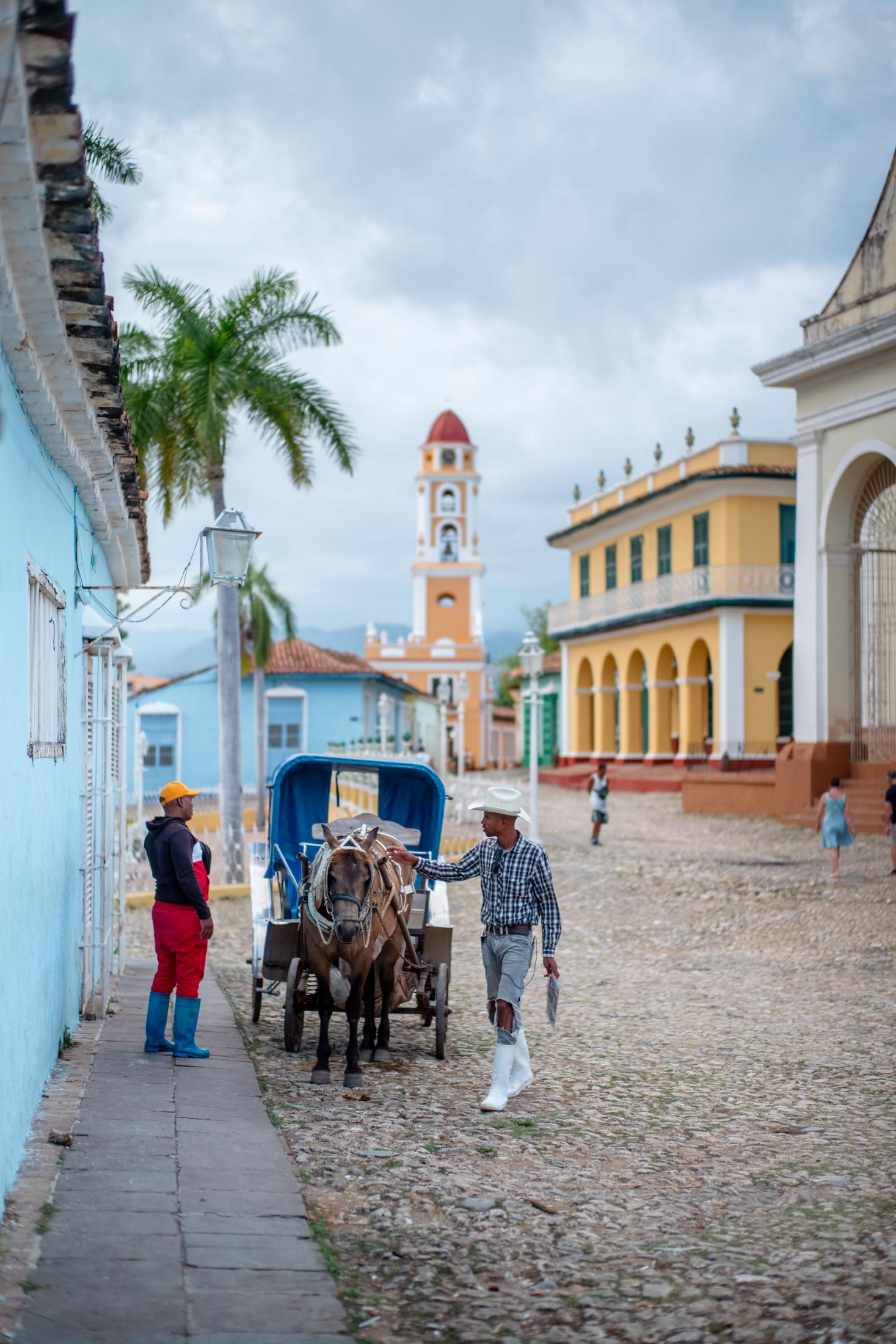
As we left the cayos, we cut southwest across the country, staying overnight in the ancient and vibrant city of Trinidad. It’s a beautiful place to enjoy a leisurely stroll and a mojito—and a great place to reliably find Cuban Nightjars.
We took a peaceful walk through the city at first light to take in the colorful streets and centuries-old buildings before continuing onward.


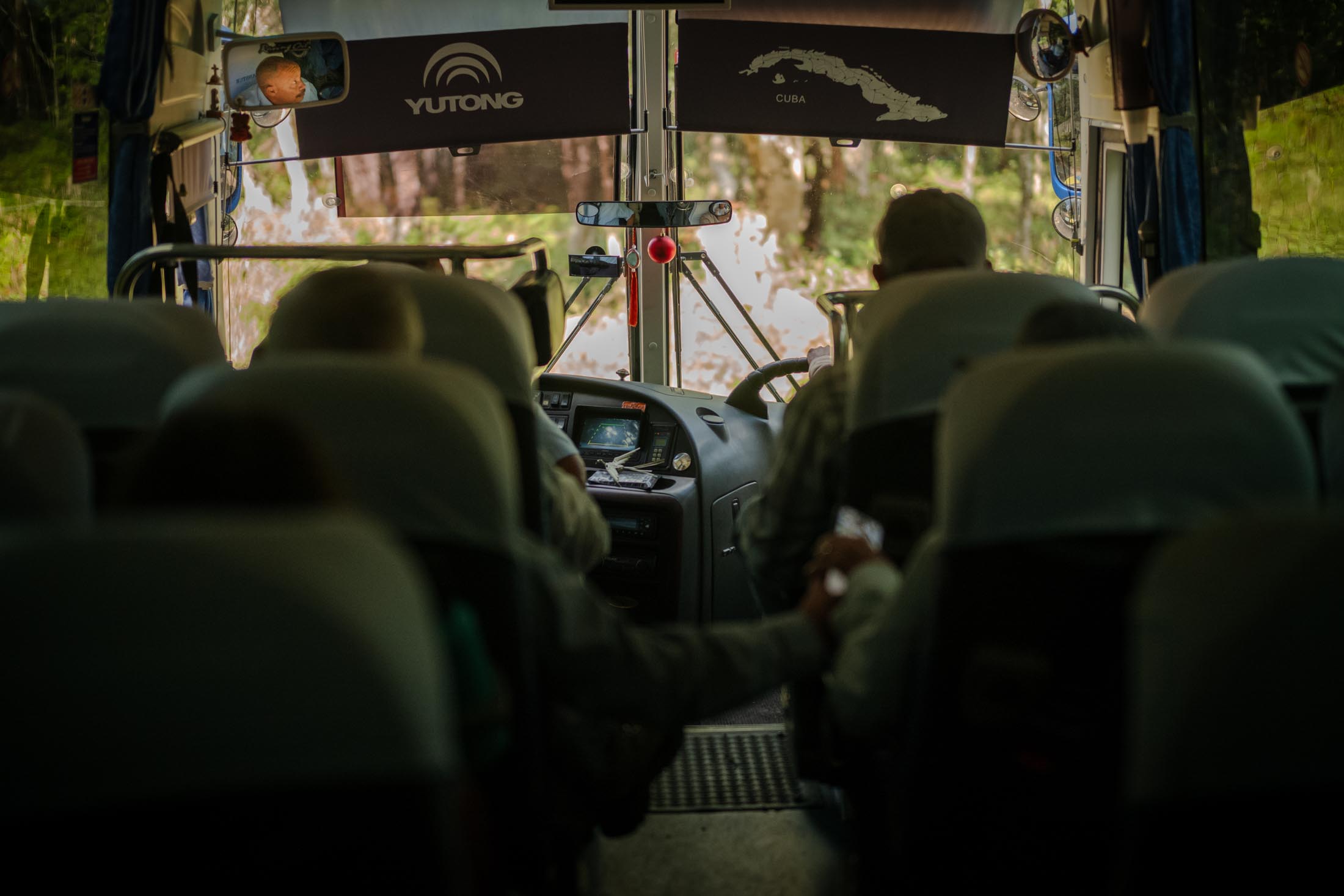
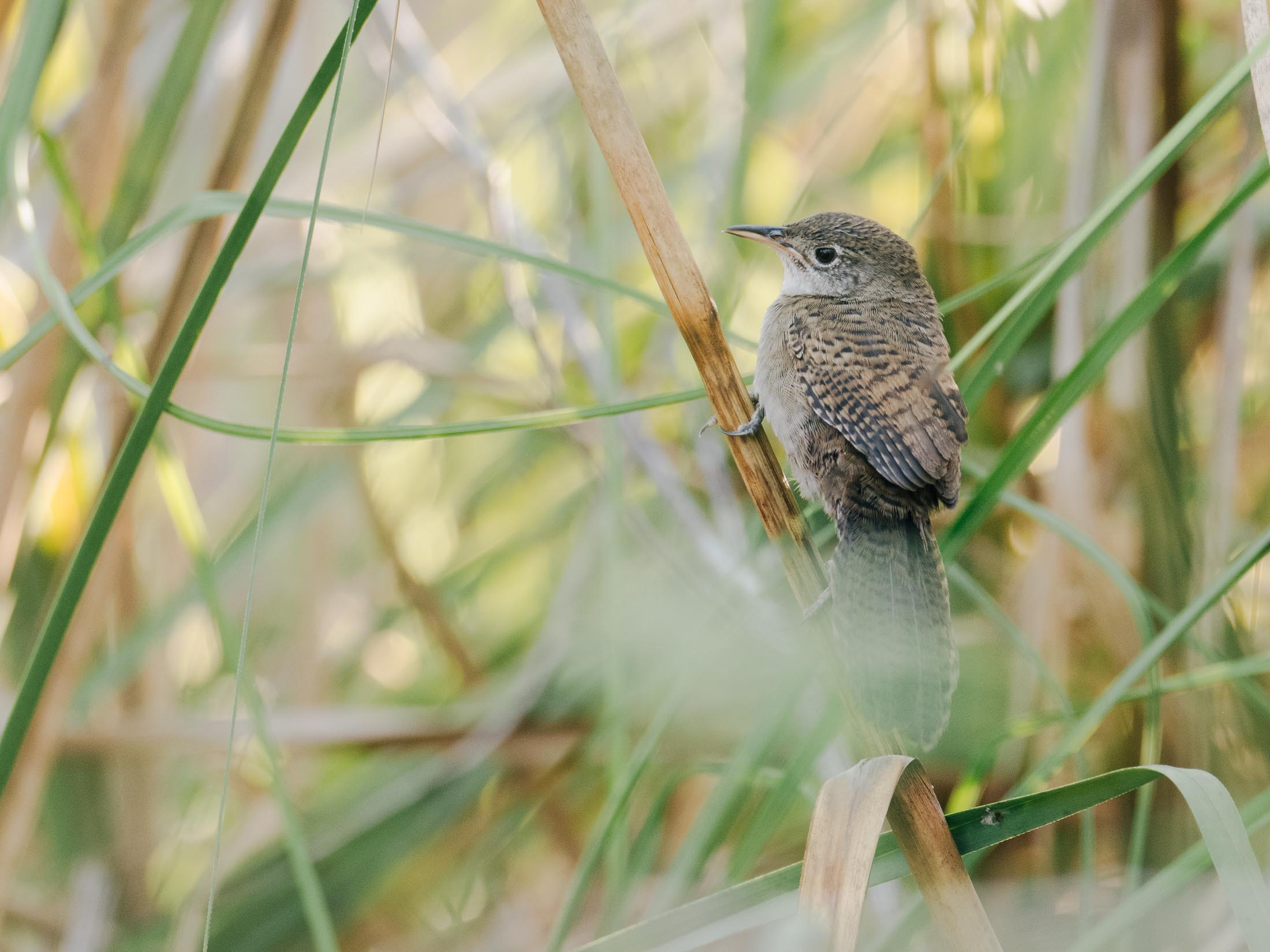
We continued the second half of our survey with several days in the legendary Zapata area. Most of this 1.5-million-acre Biosphere Reserve, formed between the Batabanó Gulf and the Bay of Pigs, is largely inaccessible. Here, in one of the most exciting excursions of our trip, we took a utility truck deep into the wetlands to find Zapata Wren.
Then, we spent several days in the protected forests and vast wetlands east of the Bay of Pigs to clean up our endemic targets. These are the places where you feel that any bird is possible—and indeed, this area has the most diverse birding records of our entire route.

Blue-headed Quail-Dove

The smallest bird in the world: Bee Hummingbird
Those days were long, but the incredible hospitality and food from our friends at Hostal Luis in Playa Giron made our time there so special.
And speaking of special…we had TWO encounters with Stygian Owl in Playa Giron. Both were amazing and further energized all of us.

Stygian Owl! One of those widespread-but-hard-to-find-anywhere species…but Cuba’s a great place to find one.
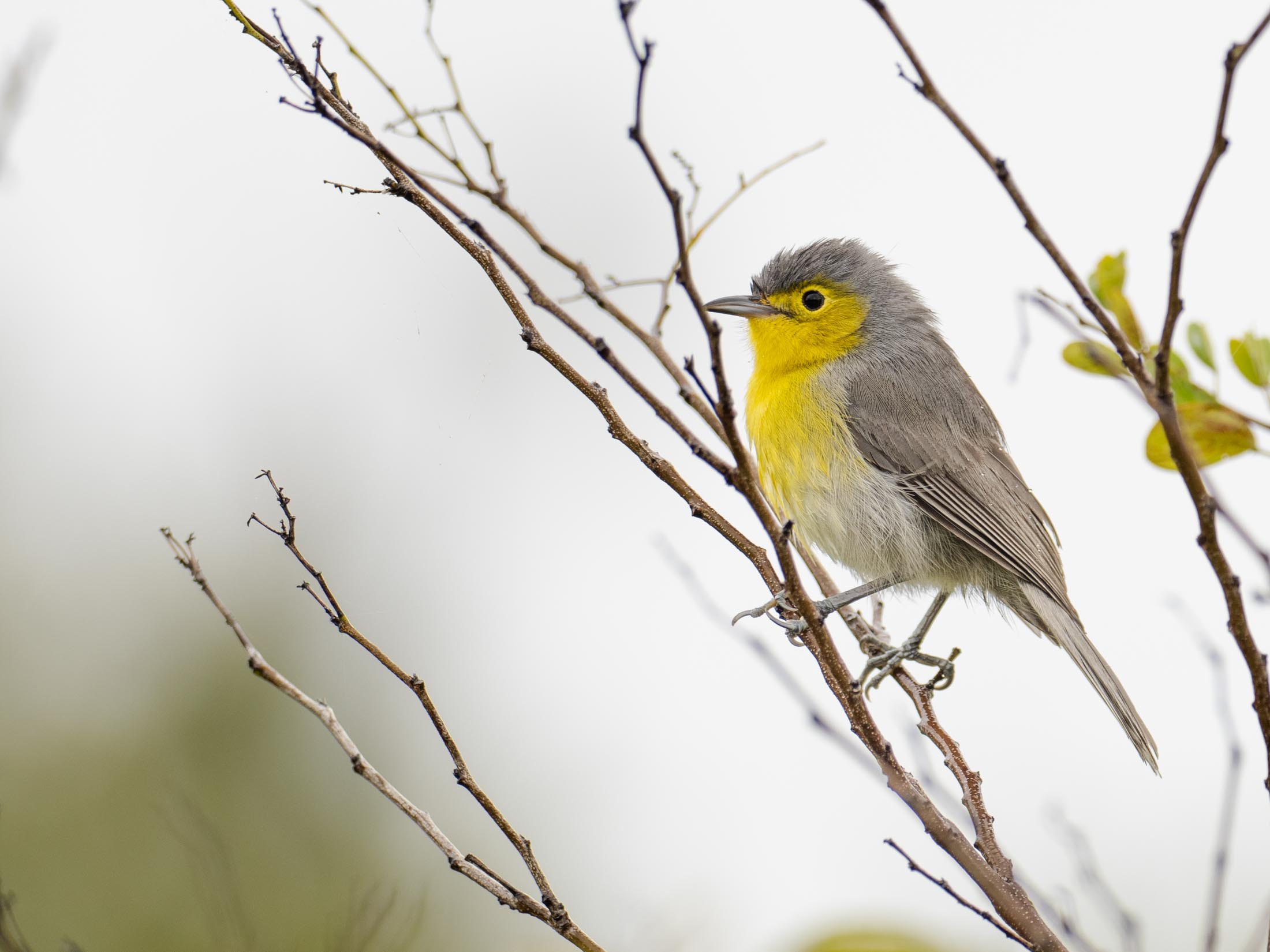
As we bid farewell to friends and Bee Hummingbirds and all the goodies around Zapata, we headed west to the coffee lands and karst mountains around Viñales. We spent a night in a beautiful hotel in town while we birded close by for our last trip targets, including Olive-capped Warblers and Cuban Grassquits.
Our birding finale was tracking the source of haunting songs that tumble down the cliffsides there: Cuban Solitaires. It was a magical end to the two weeks of great fun and luck and adventure.
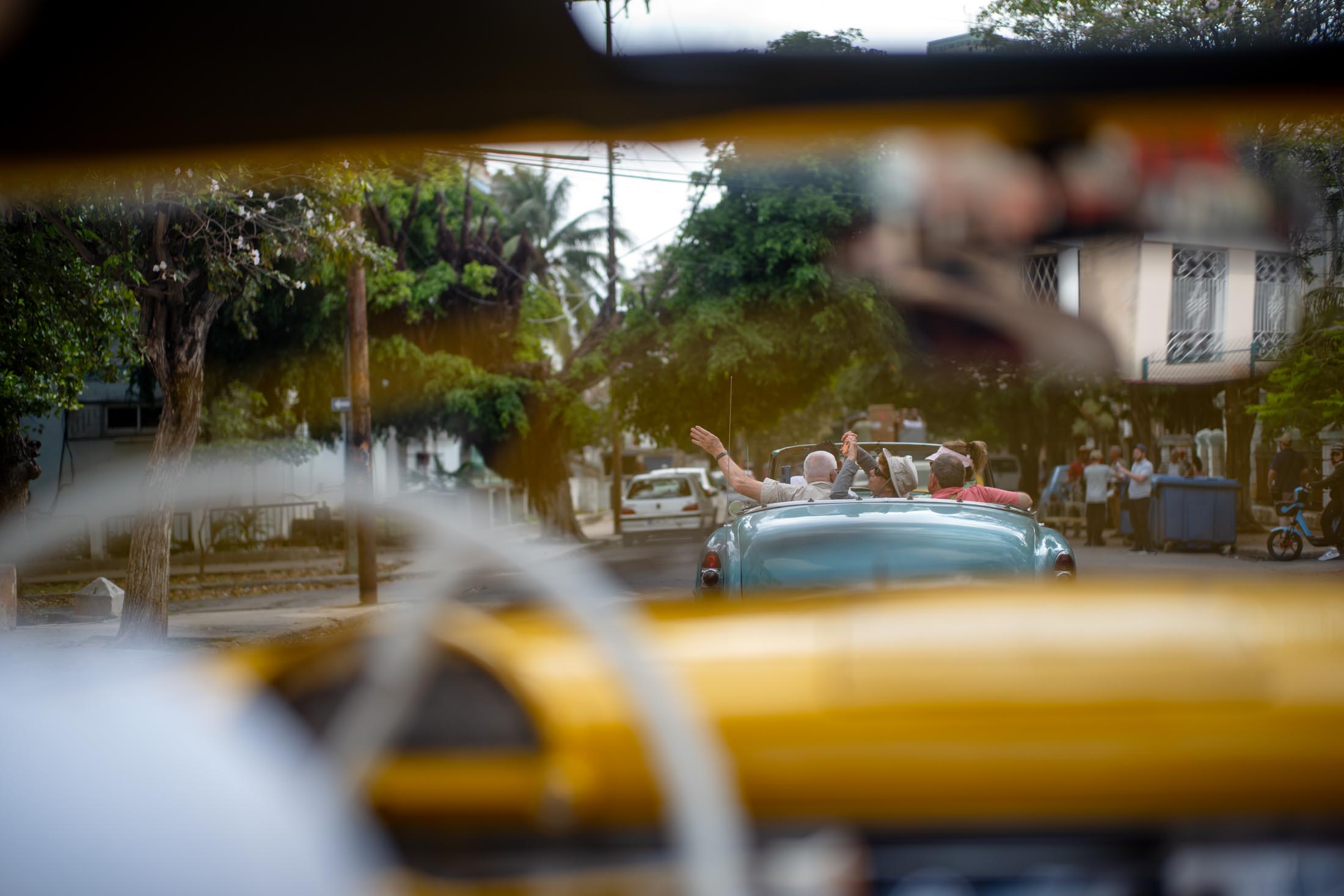
But before we returned home, we had one more place to delve into: Havana itself. Our group met up with our friend Claudia to explore the old town and government buildings, all with context from her fascinating perspectives as an art historian.
We stopped at many iconic places, like the National Capitol and Revolution Square, and continued through parts of Old Havana, past many cathedrals, visited locally-owned shops, and had some delectable food.
FAQ: Is Cuba safe? Yes, Cuba is considered safe for Americans and all visitors. Cubans are generally quite friendly and welcoming throughout the country. In populated areas, as in all parts of the world, petty theft can sometimes occur. We work with a highly trusted network for our accommodations, transportation, and meals throughout our trip—you’ll make some friends along the way, too!
This is one of those places that entices you to plan your next trip there before you leave. Even though our birding survey is longer than most others and adds a lot of cultural exploration, there’s still so much to explore in this vast Caribbean country. In fact, the more you see, the more you taste how diverse Cuba truly is. Cuba’s richness and history evoke a desire to fully experience its vibrancy in all who visit.

A look at Cuba’s capitol building down a Havana street.
Cuban Tody
Chosen by participants as “the bird of the trip” in both of our 2024 surveys.